Rest is part of caring for your smile
Bruxism and jaw joint care
Clenching, jaw tension or waking with discomfort deserves a comprehensive assessment.
Request an assessment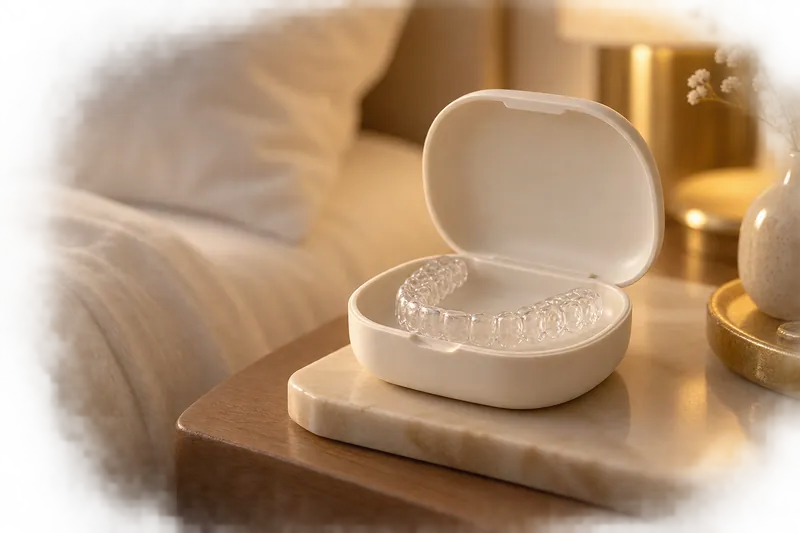 ILLUSTRATIVE IMAGE
AIMAssess excessive loading
TECHNIQUEConservative approach
PLAN AND DURATIONBased on your diagnosis
KEY CAREHabits and follow-up
UNDERSTAND BEFORE DECIDING
What does it involve?
Bruxism involves clenching or grinding teeth while asleep or awake. It may be associated with wear, muscle pain or excessive loading, although it does not always cause symptoms. Temporomandibular joint disorders have different causes and are not all resolved with a splint. We assess the teeth, muscles, mouth opening and habits to guide care.
Care today. Smile tomorrow.
Dental protection when indicated
Guidance on habits and follow-up
YOUR CASE IS UNIQUE
Is it right for you?
Seek advice about tooth wear, jaw pain, difficulty opening or recurrent tension. An isolated joint sound does not always need treatment, but should be assessed if accompanied by pain or locking.
Suitability, alternatives and possible risks are always assessed during a consultation.
A plan you can understand.
Identifying the problem
We review signs, habits and possible associated factors.
A conservative plan
We may recommend changes to habits, an individual splint or other measures.
Reassessment
We review the response and refer for further assessment where needed.
Aftercare and points to consider
A splint requires fitting and reviews. It does not address every cause of bruxism on its own. Avoid self-medication and seek advice if your jaw locks or pain persists.
UNDERSTAND YOUR OPTIONS
Distinguishing clenching, wear and jaw pain
Not all wear means active bruxism
Examination and symptom history help interpret wear and excessive loading. Explain when tension occurs, whether you clench during the day or someone hears grinding at night. Changes in sleep and habits are also relevant.
Bruxism and jaw joint disorders are different
Jaw pain has various causes. A painless click alone does not mean treatment is needed. Limited opening, locking or persistent pain requires assessment to distinguish muscle, joint and other causes.
What a splint can offer
A properly indicated and fitted splint can protect teeth from clenching-related damage. It does not guarantee an end to bruxism or resolution of every facial pain. Discomfort, bite changes or worsening symptoms need review; do not alter the appliance yourself.
Care may involve other professionals
Depending on diagnosis, changes to habits and conservative measures may help. Significant sleep problems, anxiety or other conditions may warrant assessment by the relevant professional. A joint sound alone does not justify permanently changing the bite.
DENTAL DIVINA PASTORA · PAMPLONACome to your assessment
Come to your assessment
with a clearer picture.
These questions can help you discuss Bruxism and jaw joint care during your visit. Bring your questions and any information about previous treatment that you have available.
Location, opening hours and contact ↗Questions worth asking
- Do my symptoms appear to come from muscles, joints or teeth?
- What purpose would a splint have in my case?
- How will it be checked if the plan is helping?
An examination helps clarify the options, stages and cost estimate for your case.
CLEAR ANSWERSYour questions,
Your questions,
clearly answered.
Information to help you feel more at ease before your appointment.
01Does a splint eliminate bruxism?
Not necessarily. It can protect your teeth and help in certain cases, but it does not eliminate all its causes.
02Is a splint bought online suitable?
An appliance used without diagnosis or with a poor fit may be unsuitable. Its indication and fit need assessment.
03Can stress have an influence?
It may be associated, but is not the only factor. Habits and possible sleep problems are also reviewed.
04Is a clicking jaw always serious?
No. Its significance depends on pain, locking, limited movement or recent changes.
05Should I wear the splint all day?
Only as prescribed. Wearing time and review schedules are individualised.
06How should I clean it?
Use the method recommended for its material and avoid hot water. Store it clean in a ventilated case.
07What if my jaw locks?
Seek professional assessment. Do not force it open or try to reposition it yourself.
08How is suitability assessed?
This page provides general guidance. During your consultation, we review your history, examine your mouth and recommend investigations if needed. We explain the alternatives before a decision is made.
09Can I see a cost estimate before starting?
Yes. After diagnosis, we explain the proposed plan and cost estimate, including its stages and what is covered. The price depends on your needs, rather than the treatment name alone.
10How do I request an initial assessment?
Call 948 38 38 41 or complete the form at the end of this page. We will contact you to arrange a visit; submitting a request does not automatically reserve an appointment.
PEOPLE WHO CARE FOR YOUYour trust.
Your trust.
Our people.
Meet the people who support you at every visit. Different areas of dentistry, with one shared approach: a welcoming manner and clear explanations.
Meet the team
General dentistry · Root canal treatment
Dr Mariana Areyan Viqueira
Orthodontics
Dr Ana Pison Martínez

Oral surgery · Dental implants
Dr Ziortza Ugarte Vizcarra
Dental assistant
Ainhoa Gómez Rodríguez
EXPLORE OUR CLINICYour next visit
Your next visit
starts here.
Discover the facilities at Dental Divina Pastora, Calle Loza, 4 · Pamplona.
Explore all our facilitiesYOUR NEXT STEPYour new smile
Have an emergency? Call us. This form does not provide immediate care.
Your new smile
starts here.
Leave your contact details. We will speak with you to arrange your visit and answer your initial questions.
948 38 38 41 ↗- Monday to Thursday
- 09:00–18:30
- Friday
- 08:00–14:00
- Saturday and Sunday
- Closed