Small details, great harmony
Dental veneers
Shape, proportion and colour studied so that your smile remains yours.
Request an assessment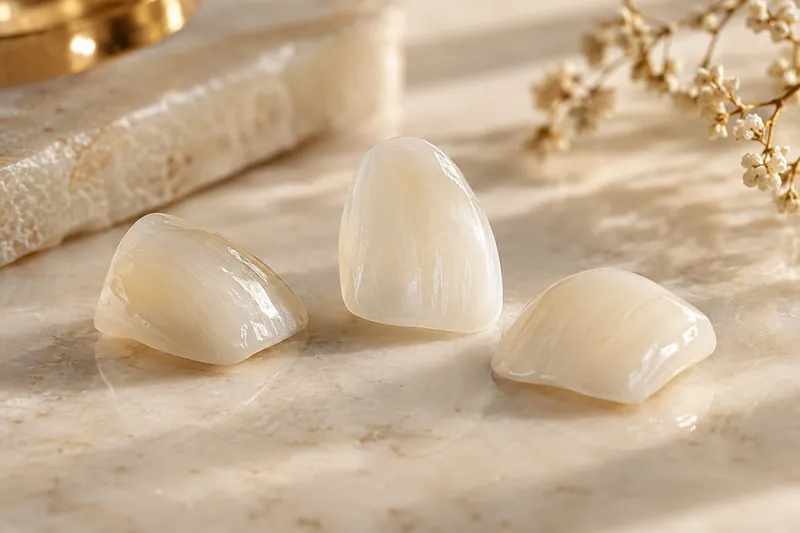 ILLUSTRATIVE IMAGE
AIMImprove shape and colour
TECHNIQUECeramic or composite
PLAN AND DURATIONBased on your diagnosis
KEY CAREBite care
UNDERSTAND BEFORE DECIDING
What does it involve?
Veneers are thin shells or restorations bonded to the visible surface of teeth. Ceramic and composite options have different indications and care requirements. We assess the bite, available enamel and whether more conservative alternatives exist. A veneer does not replace treatment for active decay, periodontal disease or misalignment requiring orthodontics.
Care today. Smile tomorrow.
Individual colour planning
Restoration of certain visible defects
YOUR CASE IS UNIQUE
Is it right for you?
Veneers may be considered for certain shape changes, small fractures, selected gaps or discolouration that does not respond to other treatment. Bruxism and an unfavourable bite need particular attention.
Suitability, alternatives and possible risks are always assessed during a consultation.
A plan you can understand.
Shared design
We agree objectives and check tooth and gum health.
Choice and preparation
We explain materials and whether enamel preparation is needed.
Bonding and review
We check appearance, fit and the bite, and explain aftercare.
Aftercare and points to consider
Do not use teeth to open packaging or bite hard objects. Keep the restoration margins clean and healthy. Veneers may chip, detach or need repair or replacement over time.
UNDERSTAND YOUR OPTIONS
Assessing veneers beyond colour
Composite and ceramic: an individual choice
The materials differ, and choice depends on the desired change and tooth condition. Composite and ceramic veneers may involve different preparation or repair stages. Understand the specific proposal, rather than choosing by material name alone.
What it means to prepare the tooth
Some veneers require enamel removal to create space and avoid excessive bulk. This preparation is irreversible. Its necessity and extent depend on the case: a no-preparation approach should not be promised before assessing the teeth.
Before the final veneer is bonded
Fit, colour and the relationship with neighbouring teeth are checked. Raise questions before final bonding and ask what adjustments remain possible. Planning should consider both how the smile looks and how it functions.
The margins matter too
Cleaning remains essential where the veneer meets the tooth. Veneers may chip, fracture or need replacement. Request a review for an irregular edge, movement or new discomfort. A veneer does not make the tooth immune to decay.
DENTAL DIVINA PASTORA · PAMPLONACome to your assessment
Come to your assessment
with a clearer picture.
These questions can help you discuss Dental veneers during your visit. Bring your questions and any information about previous treatment that you have available.
Location, opening hours and contact ↗Questions worth asking
- Is it necessary to prepare the enamel in my case?
- What alternatives are there for the change I seek?
- How would a damaged veneer be repaired?
An examination helps clarify the options, stages and cost estimate for your case.
CLEAR ANSWERSYour questions,
Your questions,
clearly answered.
Information to help you feel more at ease before your appointment.
01Composite or ceramic?
It depends on the case. Composite permits direct repairs; ceramic has different aesthetic and strength characteristics.
02Does the tooth always need preparation?
Not always, but many cases require it. This must be explained beforehand because preparation can be irreversible.
03Can they correct very crooked teeth?
They do not generally replace orthodontics. Forcing a correction with veneers may require removing too much tissue.
04Can a veneer be fitted to just one tooth?
Yes, if indicated. Colour and shape are carefully assessed to blend with neighbouring teeth.
05How long do they last?
Material, bonding, bite and habits all matter. Veneers are not guaranteed lifelong restorations.
06What should I do if a veneer comes off?
Keep it and contact the clinic. Do not use household glue.
07Can I have veneers if I have bruxism?
Fracture risk and protection need assessment. Other options may be proposed in some cases.
08How is suitability assessed?
This page provides general guidance. During your consultation, we review your history, examine your mouth and recommend investigations if needed. We explain the alternatives before a decision is made.
09Can I see a cost estimate before starting?
Yes. After diagnosis, we explain the proposed plan and cost estimate, including its stages and what is covered. The price depends on your needs, rather than the treatment name alone.
10How do I request an initial assessment?
Call 948 38 38 41 or complete the form at the end of this page. We will contact you to arrange a visit; submitting a request does not automatically reserve an appointment.
PEOPLE WHO CARE FOR YOUYour trust.
Your trust.
Our people.
Meet the people who support you at every visit. Different areas of dentistry, with one shared approach: a welcoming manner and clear explanations.
Meet the team
General dentistry · Root canal treatment
Dr Mariana Areyan Viqueira

Orthodontics
Dr Ana Pison Martínez

Oral surgery · Dental implants
Dr Ziortza Ugarte Vizcarra

Dental assistant
Ainhoa Gómez Rodríguez
EXPLORE OUR CLINICYour next visit
Your next visit
starts here.
Discover the facilities at Dental Divina Pastora, Calle Loza, 4 · Pamplona.
Explore all our facilitiesYOUR NEXT STEPYour new smile
Have an emergency? Call us. This form does not provide immediate care.
Your new smile
starts here.
Leave your contact details. We will speak with you to arrange your visit and answer your initial questions.
948 38 38 41 ↗- Monday to Thursday
- 09:00–18:30
- Friday
- 08:00–14:00
- Saturday and Sunday
- Closed