Alignment is part of care
Fixed braces
An aligned smile starts with careful assessment of the bite. Braces help correct tooth position with close follow-up.
Request an assessment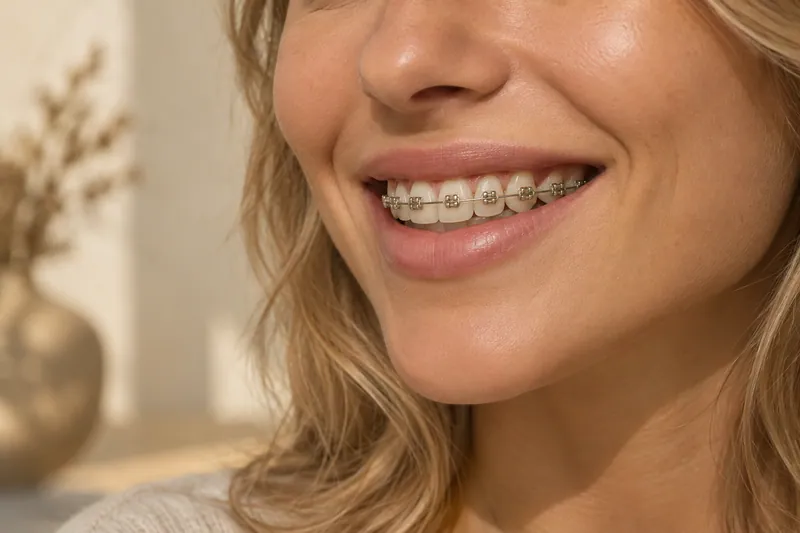 ILLUSTRATIVE IMAGE
AIMAlign teeth and improve the bite
TECHNIQUEFixed appliance
PLAN AND DURATIONBased on your diagnosis
KEY CAREHygiene and retention
UNDERSTAND BEFORE DECIDING
What does it involve?
Brackets are attached to teeth and work with an archwire to apply controlled forces. Orthodontics aims to improve alignment and how the upper and lower teeth meet. Before starting, we assess decay, gums, roots and habits. The appliance and mechanics are chosen for your case; appearance is only one part of the decision.
Care today. Smile tomorrow.
A carefully planned bite
Fixed treatment that does not rely on removing an appliance
YOUR CASE IS UNIQUE
Is it right for you?
Braces may be an option for adolescents and adults with crowding, gaps or malocclusion. Periodontal problems must first be stabilised. Jaw development is also assessed in growing patients.
Suitability, alternatives and possible risks are always assessed during a consultation.
A plan you can understand.
Comprehensive assessment
We analyse dental position, bite and expectations.
Placement and adjustments
We fit the appliance and arrange reviews to monitor tooth movement.
Retention
Once the objectives are reached, we remove the brackets and prescribe retainers.
Aftercare and points to consider
Cleaning around brackets and under the archwire takes care. Avoid very hard or sticky foods and report loose components. Demineralisation, discomfort and root changes are risks discussed during assessment.
UNDERSTAND YOUR OPTIONS
Living with braces and caring for the result
Alignment and bite are assessed together
Braces can address crowding, spaces and certain problems with how the upper and lower teeth meet. Age, growth and the cause of the problem influence the plan. Orthodontics can also be considered for adults, always taking periodontal health into account.
What happens during reviews?
The archwire and other components transmit controlled forces. Reviews allow mechanics to be adjusted and hygiene and tissues checked. There is no schedule that suits everyone: missed checks or loose components can affect progress.
Protect the enamel around braces
Plaque can collect around brackets and beneath wires. Clean these areas with the recommended tools and fluoride toothpaste. Reducing frequent sugary drinks and avoiding foods that dislodge components helps protect teeth and the appliance.
After braces are removed
The active phase is followed by retention. Retainers may be fixed or removable according to the situation. They need cleaning and checks; ask for advice if one becomes loose or stops fitting, to help prevent unwanted tooth movement.
DENTAL DIVINA PASTORA · PAMPLONACome to your assessment
Come to your assessment
with a clearer picture.
These questions can help you discuss Fixed braces during your visit. Bring your questions and any information about previous treatment that you have available.
Location, opening hours and contact ↗Questions worth asking
- Which bite problem are we aiming to correct?
- How should I clean the areas I find difficult?
- What retention will I need afterwards?
An examination helps clarify the options, stages and cost estimate for your case.
CLEAR ANSWERSYour questions,
Your questions,
clearly answered.
Information to help you feel more at ease before your appointment.
01Can adults have braces?
Yes. The condition of the teeth, gums and supporting bone matters, rather than age alone.
02How long does the treatment last?
It depends on the malocclusion, biological response and cooperation. Duration is estimated after assessment and may be adjusted.
03Are more discreet brackets available?
Systems using less visible materials exist. Their availability and suitability are assessed during consultation.
04Are adjustments uncomfortable?
Sensitivity may occur during the first few days. Contact the team if a wire is digging in or pain is severe.
05How do I clean braces?
Use careful brushing and adapted interdental cleaning. The team will show you how to reach around brackets and under the archwire.
06What should I do if a bracket comes loose?
Contact the clinic to arrange a review. Do not try to glue it back or manipulate the wire with household tools.
07Can the teeth move again?
Yes. That is why retention and reviews are needed after the appliance is removed.
08How is suitability assessed?
This page provides general guidance. During your consultation, we review your history, examine your mouth and recommend investigations if needed. We explain the alternatives before a decision is made.
09Can I see a cost estimate before starting?
Yes. After diagnosis, we explain the proposed plan and cost estimate, including its stages and what is covered. The price depends on your needs, rather than the treatment name alone.
10How do I request an initial assessment?
Call 948 38 38 41 or complete the form at the end of this page. We will contact you to arrange a visit; submitting a request does not automatically reserve an appointment.
PEOPLE WHO CARE FOR YOUYour trust.
Your trust.
Our people.
Meet the people who support you at every visit. Different areas of dentistry, with one shared approach: a welcoming manner and clear explanations.
Meet the team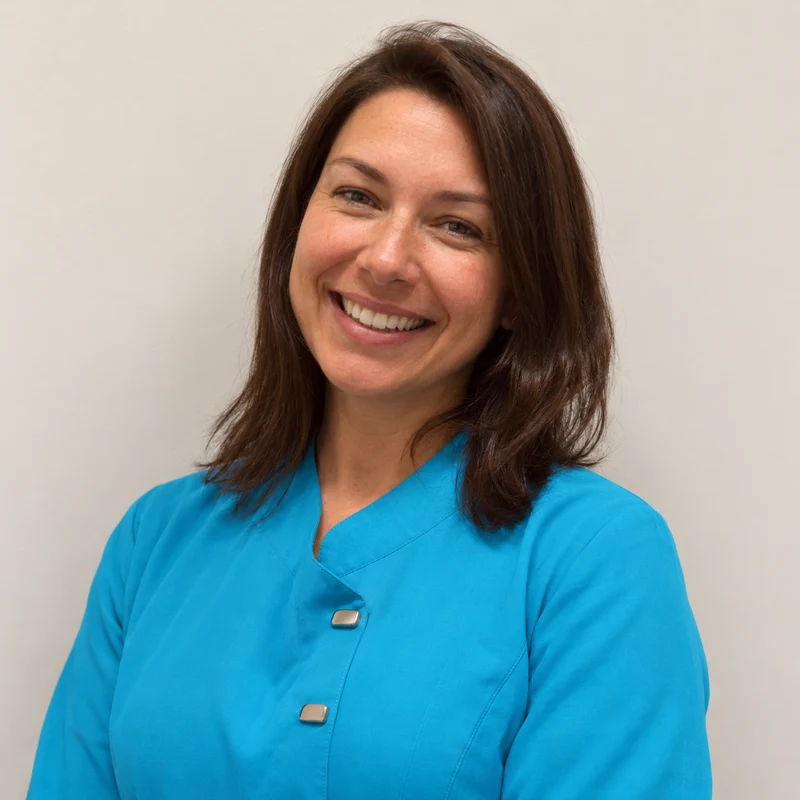
General dentistry · Root canal treatment
Dr Mariana Areyan Viqueira
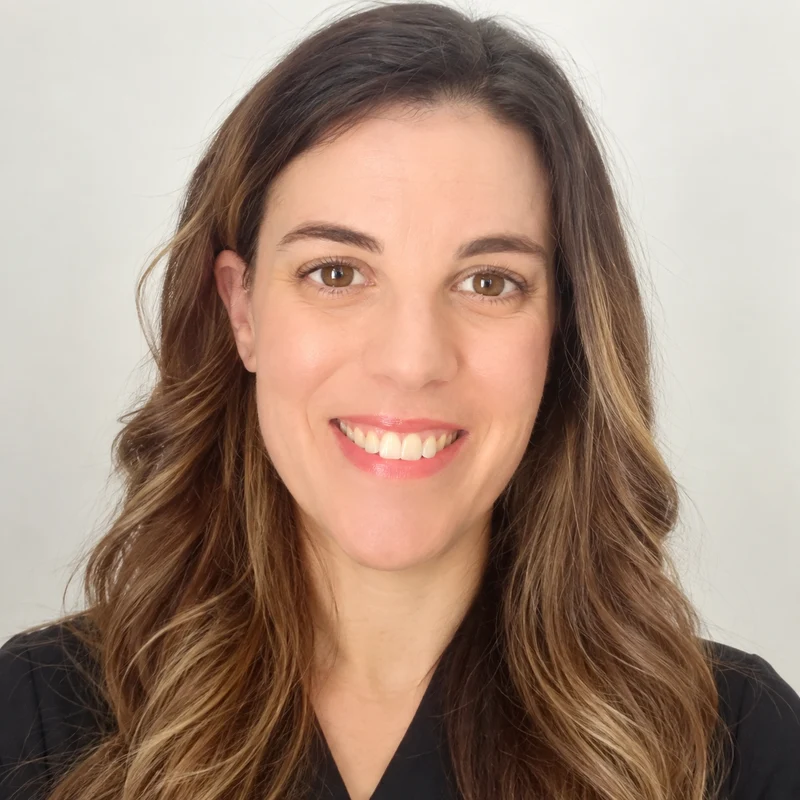
Orthodontics
Dr Ana Pison Martínez
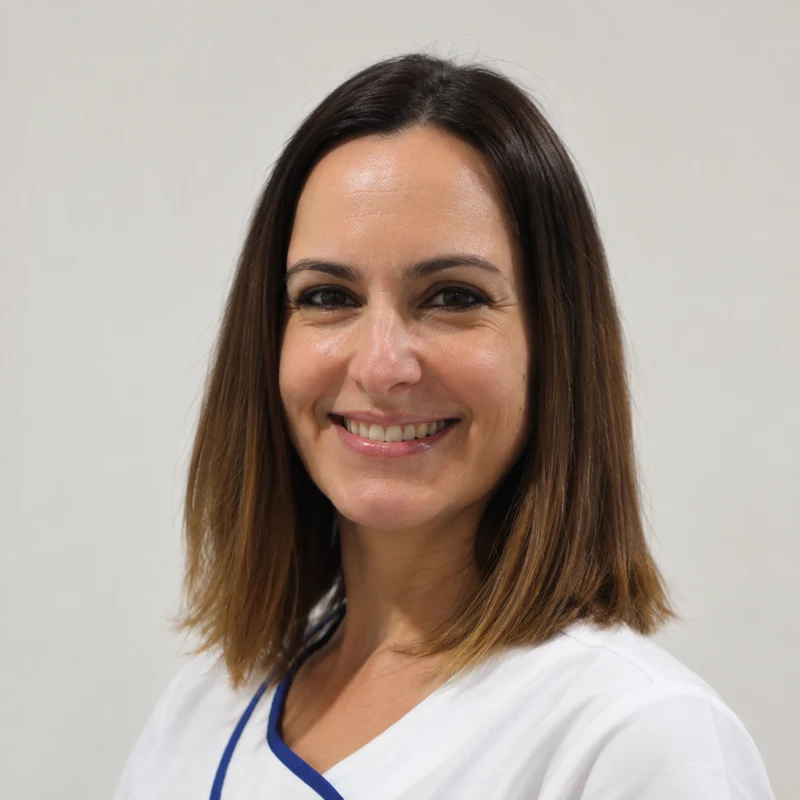
Oral surgery · Dental implants
Dr Ziortza Ugarte Vizcarra
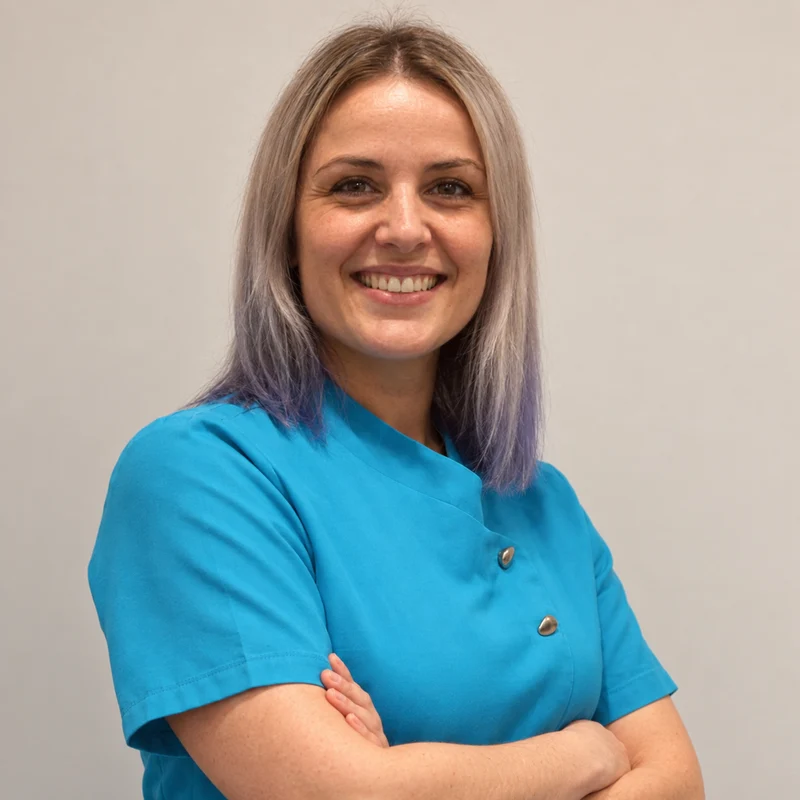
Dental assistant
Ainhoa Gómez Rodríguez
EXPLORE OUR CLINICYour next visit
Your next visit
starts here.
Discover the facilities at Dental Divina Pastora, Calle Loza, 4 · Pamplona.
Explore all our facilitiesYOUR NEXT STEPYour new smile
Have an emergency? Call us. This form does not provide immediate care.
Your new smile
starts here.
Leave your contact details. We will speak with you to arrange your visit and answer your initial questions.
948 38 38 41 ↗- Monday to Thursday
- 09:00–18:30
- Friday
- 08:00–14:00
- Saturday and Sunday
- Closed