Preserve your natural tooth
Root canal treatment
When the inside of a tooth is damaged, root canal treatment may allow it to be preserved and its function restored.
Request an assessment ILLUSTRATIVE IMAGE
AIMPreserve the tooth
TECHNIQUERoot canal treatment
PLAN AND DURATIONBased on your diagnosis
KEY CARESubsequent restoration
UNDERSTAND BEFORE DECIDING
What does it involve?
Root canal treatment addresses the dental pulp when it is irreversibly inflamed or infected. The inside of the tooth is accessed, and the canals are cleaned, disinfected and sealed. The tooth must then be restored and protected. First, its restorability and prognosis are assessed; a fracture or extensive damage may change the options.
Care today. Smile tomorrow.
Treating a problem originating in the pulp
Restoring function with an appropriate restoration
YOUR CASE IS UNIQUE
Is it right for you?
Root canal treatment may be indicated for deep decay, trauma or pulp infection. Persistent pain with cold, heat or chewing needs assessment, but does not by itself confirm that root canal treatment is needed.
Suitability, alternatives and possible risks are always assessed during a consultation.
A plan you can understand.
Diagnosis
We examine the tooth and carry out the necessary tests.
Root canal treatment
We clean, disinfect and seal the canals while the tooth is isolated.
Restoration and review
We protect the tooth and monitor its progress.
Aftercare and points to consider
Avoid overloading the tooth until its restoration is complete. Initial discomfort on biting may occur. Contact the clinic if it increases, swelling develops or the temporary restoration is lost.
UNDERSTAND YOUR OPTIONS
Keeping the tooth also involves restoring it
Pain alone does not determine treatment
Lasting sensitivity, pain on biting or swelling can have different causes. Before recommending root canal treatment, we identify the affected tooth and assess the pulp and surrounding tissues. One symptom alone is not enough to choose treatment at home.
First, check whether the tooth can be restored
Treating the canals is part of a plan to restore the tooth. Remaining structure, possible fractures and periodontal support matter. If the prognosis is poor, alternatives should be explained, including extraction where preservation is not feasible.
Sealing and restoration complete the process
Canal filling and the external restoration serve different purposes. A build-up or crown may be needed after root canal treatment, depending on tissue loss. A temporary filling is not intended to delay the definitive restoration indefinitely.
Understanding recovery
Sensitivity on biting may occur during recovery. Its progress and attendance at recommended reviews matter. Request a check if pain increases, swelling develops or the temporary restoration comes out. Relief from pain does not replace completion of the restorative plan.
DENTAL DIVINA PASTORA · PAMPLONACome to your assessment
Come to your assessment
with a clearer picture.
These questions can help you discuss Root canal treatment during your visit. Bring your questions and any information about previous treatment that you have available.
Location, opening hours and contact ↗Questions worth asking
- How much healthy tooth structure remains?
- What restoration will I need after root canal treatment?
- When will progress be reviewed?
An examination helps clarify the options, stages and cost estimate for your case.
CLEAR ANSWERSYour questions,
Your questions,
clearly answered.
Information to help you feel more at ease before your appointment.
01Does a painful tooth always need root canal treatment?
No. Pain has various causes. Examination and tests help determine the appropriate treatment.
02Is it done with anaesthesia?
Local anaesthesia is usually used for comfort. The plan takes your medical history into account.
03How many appointments are needed?
It depends on the tooth, infection and canal complexity. One or more sessions may be needed.
04Will I need a crown?
Not always. The amount of tooth remaining and the load on chewing determine whether a crown, inlay or other reconstruction is appropriate.
05Can it get infected again?
It is possible. Leakage, complex canals or a fracture may require retreatment or another approach.
06Can antibiotics replace root canal treatment?
No. They do not, on their own, remove the source of the problem inside the tooth. They are prescribed only when indicated.
07Is the tooth guaranteed to last for ever?
No. Prognosis depends on the initial damage, anatomy, restoration and subsequent care.
08How is suitability assessed?
This page provides general guidance. During your consultation, we review your history, examine your mouth and recommend investigations if needed. We explain the alternatives before a decision is made.
09Can I see a cost estimate before starting?
Yes. After diagnosis, we explain the proposed plan and cost estimate, including its stages and what is covered. The price depends on your needs, rather than the treatment name alone.
10How do I request an initial assessment?
Call 948 38 38 41 or complete the form at the end of this page. We will contact you to arrange a visit; submitting a request does not automatically reserve an appointment.
PEOPLE WHO CARE FOR YOUYour trust.
Your trust.
Our people.
Meet the people who support you at every visit. Different areas of dentistry, with one shared approach: a welcoming manner and clear explanations.
Meet the team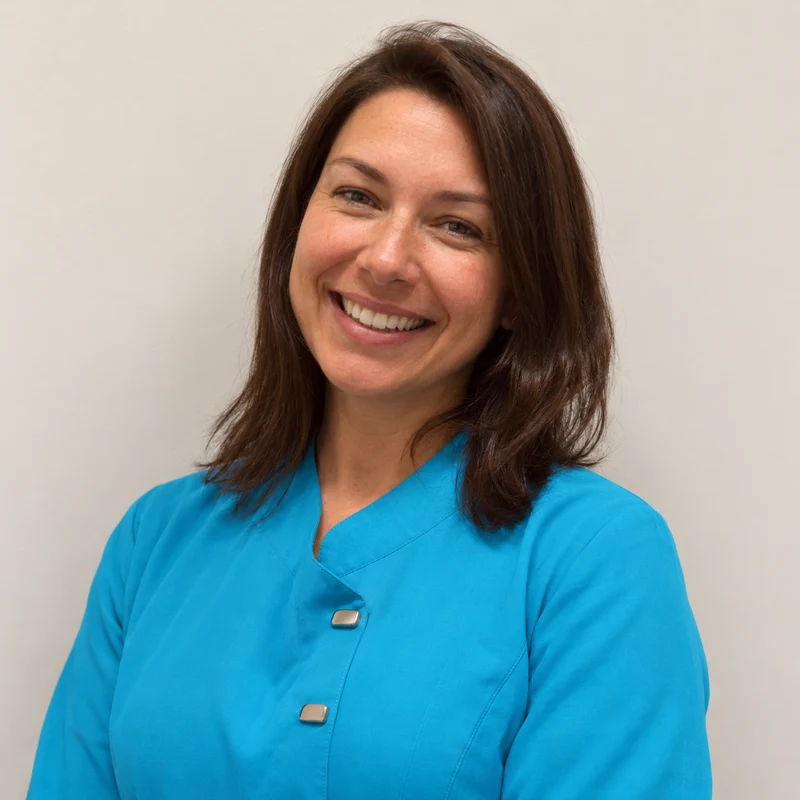
General dentistry · Root canal treatment
Dr Mariana Areyan Viqueira
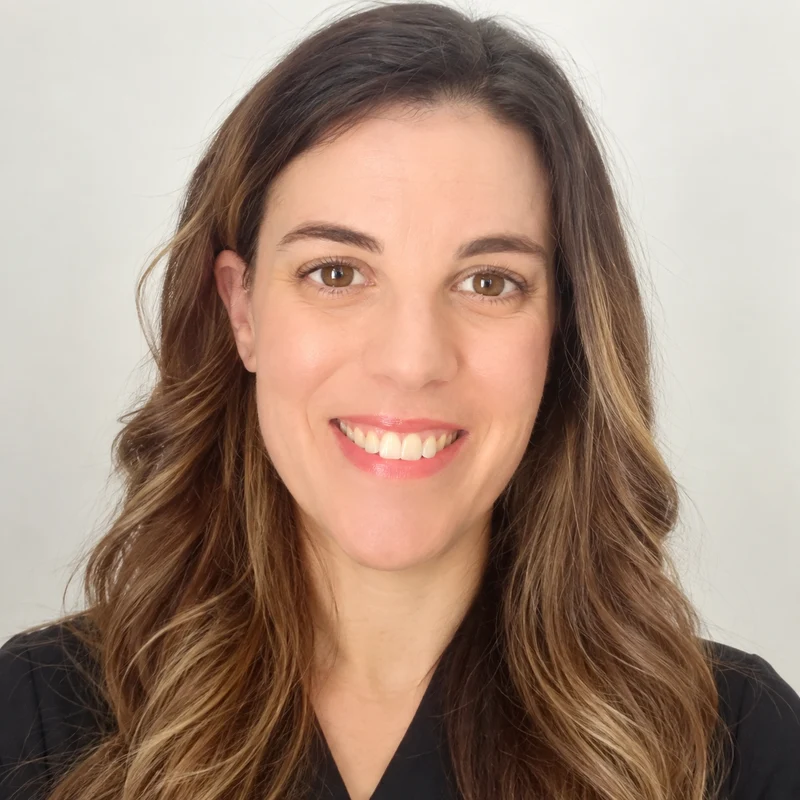
Orthodontics
Dr Ana Pison Martínez

Oral surgery · Dental implants
Dr Ziortza Ugarte Vizcarra
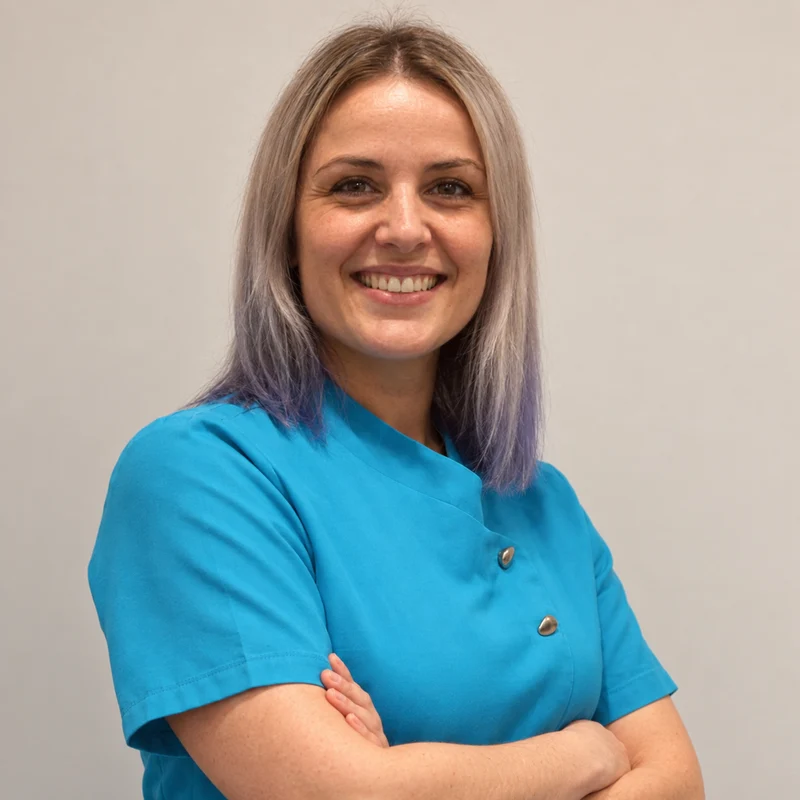
Dental assistant
Ainhoa Gómez Rodríguez
EXPLORE OUR CLINICYour next visit
Your next visit
starts here.
Discover the facilities at Dental Divina Pastora, Calle Loza, 4 · Pamplona.
Explore all our facilitiesYOUR NEXT STEPYour new smile
Have an emergency? Call us. This form does not provide immediate care.
Your new smile
starts here.
Leave your contact details. We will speak with you to arrange your visit and answer your initial questions.
948 38 38 41 ↗- Monday to Thursday
- 09:00–18:30
- Friday
- 08:00–14:00
- Saturday and Sunday
- Closed