The basis of your smile
Periodontal care
Bleeding gums deserve attention. Caring for them protects the tissues supporting your teeth.
Request an assessment ILLUSTRATIVE IMAGE
AIMCare for supporting tissues
TECHNIQUEPeriodontal treatment
PLAN AND DURATIONBased on your diagnosis
KEY CAREOngoing maintenance
UNDERSTAND BEFORE DECIDING
What does it involve?
Periodontal care treats the tissues surrounding and supporting teeth. Gingivitis affects the gums; periodontitis can destroy part of the supporting bone. Diagnosis combines examination, gum measurements and imaging where appropriate. Treatment aims to control inflammation and reduce progression risk through professional cleaning and tailored maintenance.
Care today. Smile tomorrow.
Protection for the tissues supporting teeth
More effective hygiene habits
YOUR CASE IS UNIQUE
Is it right for you?
Seek a gum assessment if you have bleeding, recession, swelling or loose teeth. Persistent bad breath may also warrant a check, although it has various causes. Do not wait for pain.
Suitability, alternatives and possible risks are always assessed during a consultation.
A plan you can understand.
Understanding your gum health
We assess periodontal measurements and risk factors.
Phased treatment
We remove deposits and biofilm; advanced cases may require surgery.
Maintenance
We reassess the response and adjust the interval between reviews.
Aftercare and points to consider
Periodontitis requires ongoing follow-up. Interdental cleaning, stopping smoking and controlling conditions such as diabetes support periodontal care. Temporary sensitivity may follow deep cleaning.
UNDERSTAND YOUR OPTIONS
Understanding and controlling gum disease
Bleeding and loss of support are not the same
Bleeding gums need assessment even without pain. Gingivitis and periodontitis differ: the latter can involve loss of tooth support. Gum appearance alone cannot reveal the full extent of disease.
What does periodontal assessment show?
Examination records bleeding, the depth of spaces around teeth and other signs of disease. X-rays, when indicated, help assess bone. These findings allow progress to be compared and areas needing more attention identified.
Reassessment after initial treatment
The tissue response guides the next steps. After improving cleaning and treating bacterial deposits, remaining active areas are checked. Some cases need further treatment; surgery or the same intensity of care is not necessary for everyone.
Maintenance based on your risk
Treatment does not replace daily care. Smoking, diabetes control and cleaning difficulties influence follow-up. Maintenance intervals reflect individual circumstances, even when bleeding or discomfort has improved.
DENTAL DIVINA PASTORA · PAMPLONACome to your assessment
Come to your assessment
with a clearer picture.
These questions can help you discuss Periodontal care during your visit. Bring your questions and any information about previous treatment that you have available.
Location, opening hours and contact ↗Questions worth asking
- Which areas have lost support?
- How will the response to treatment be evaluated?
- What maintenance frequency do I need?
An examination helps clarify the options, stages and cost estimate for your case.
CLEAR ANSWERSYour questions,
Your questions,
clearly answered.
Information to help you feel more at ease before your appointment.
01Is it normal for gums to bleed?
It is common, but should not be considered normal. The cause should be assessed and cleaning advice adapted.
02Are gingivitis and periodontitis the same?
No. Gingivitis is limited to the gums; periodontitis affects the tissues supporting teeth and requires a broader approach.
03Can gum disease develop without pain?
Yes. Periodontitis may progress with little discomfort. Reviews help detect changes early.
04Is regular cleaning enough?
Not always. Periodontal pockets may require treatment below the gumline and specific follow-up.
05Can lost bone be restored?
Not spontaneously. Some defects may be suitable for regenerative techniques, but indications and outcomes vary.
06How often is maintenance needed?
The interval is adapted to risk and response. Patients do not all need the same frequency.
07Can I have orthodontic treatment with periodontitis?
It may be considered if the disease is controlled and care is coordinated. Periodontal health must first be stabilised.
08How is suitability assessed?
This page provides general guidance. During your consultation, we review your history, examine your mouth and recommend investigations if needed. We explain the alternatives before a decision is made.
09Can I see a cost estimate before starting?
Yes. After diagnosis, we explain the proposed plan and cost estimate, including its stages and what is covered. The price depends on your needs, rather than the treatment name alone.
10How do I request an initial assessment?
Call 948 38 38 41 or complete the form at the end of this page. We will contact you to arrange a visit; submitting a request does not automatically reserve an appointment.
PEOPLE WHO CARE FOR YOUYour trust.
Your trust.
Our people.
Meet the people who support you at every visit. Different areas of dentistry, with one shared approach: a welcoming manner and clear explanations.
Meet the team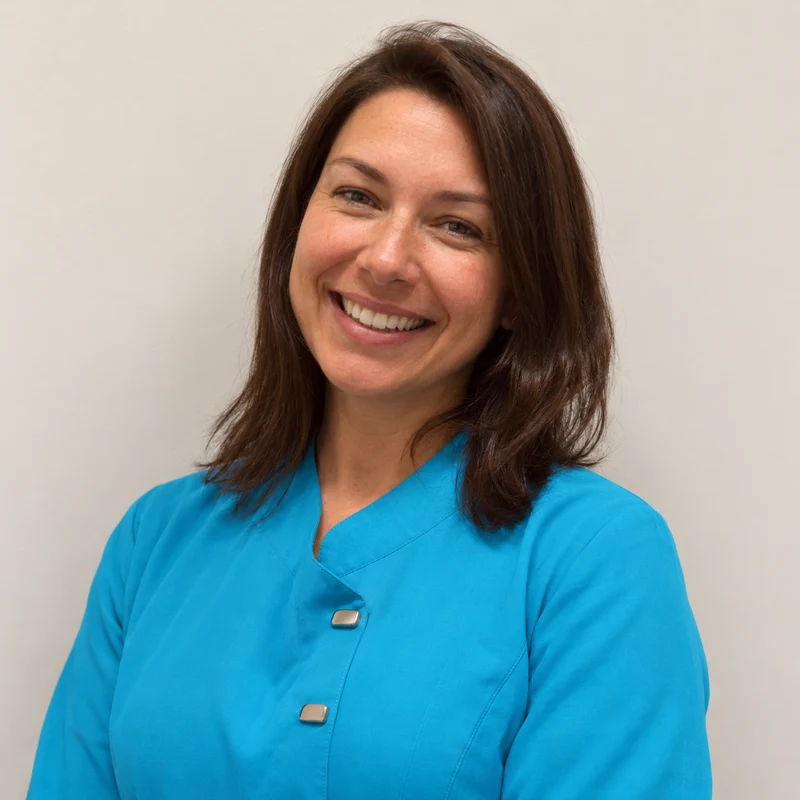
General dentistry · Root canal treatment
Dr Mariana Areyan Viqueira
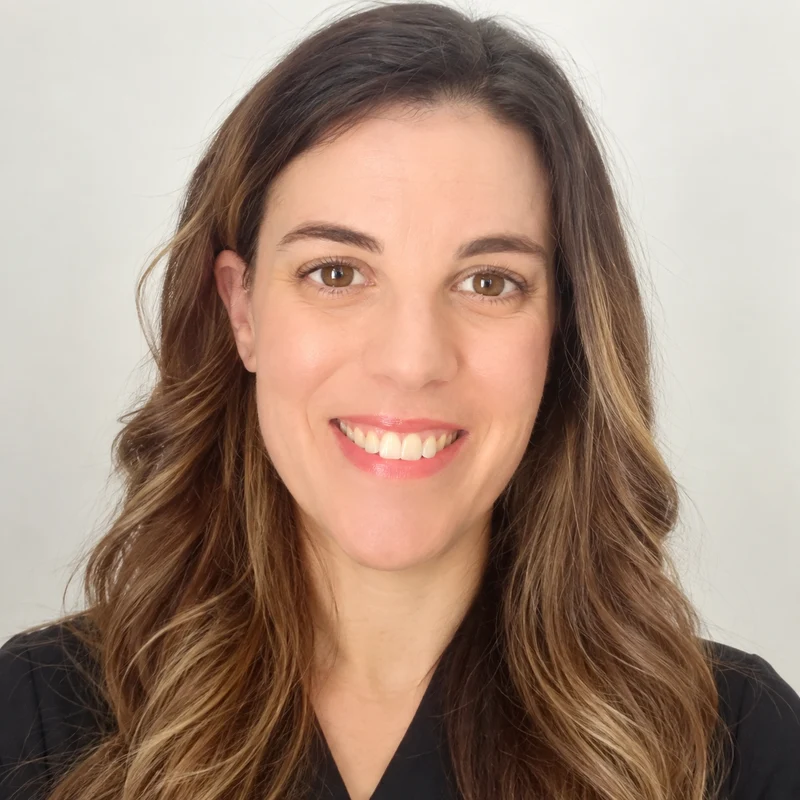
Orthodontics
Dr Ana Pison Martínez

Oral surgery · Dental implants
Dr Ziortza Ugarte Vizcarra
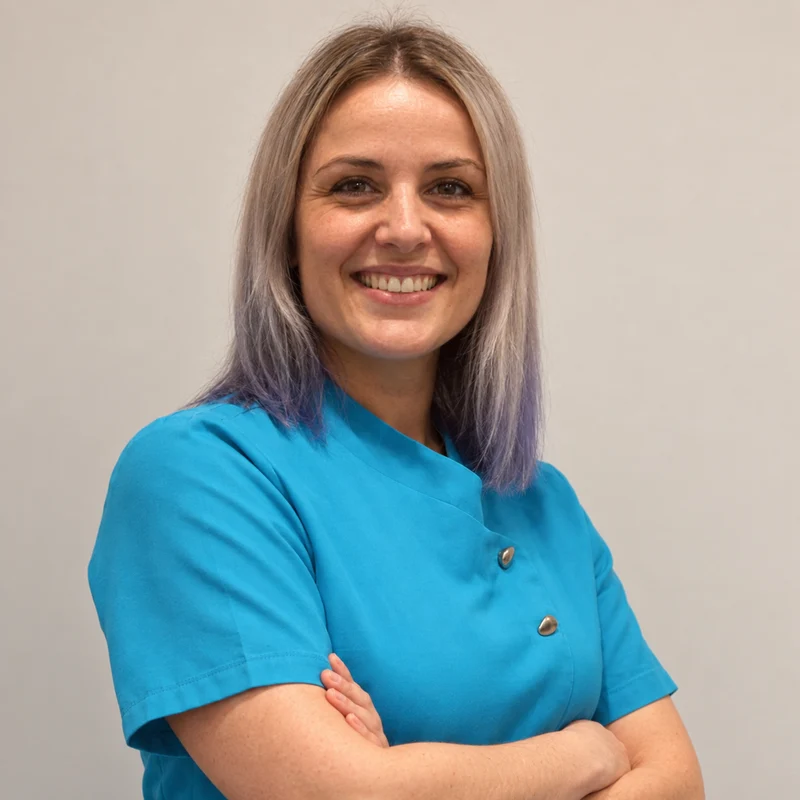
Dental assistant
Ainhoa Gómez Rodríguez
EXPLORE OUR CLINICYour next visit
Your next visit
starts here.
Discover the facilities at Dental Divina Pastora, Calle Loza, 4 · Pamplona.
Explore all our facilitiesYOUR NEXT STEPYour new smile
Have an emergency? Call us. This form does not provide immediate care.
Your new smile
starts here.
Leave your contact details. We will speak with you to arrange your visit and answer your initial questions.
948 38 38 41 ↗- Monday to Thursday
- 09:00–18:30
- Friday
- 08:00–14:00
- Saturday and Sunday
- Closed