Supporting their growing smile
Interceptive orthodontics in Ansoáin
Understand how your child’s smile is developing and when it may be appropriate to act. We assess their bite and dental development to decide between monitoring and early treatment.
Request an assessment
AIMAssess the developing bite
TECHNIQUEIndividual early treatment plan
PLAN AND DURATIONBased on your diagnosis
KEY CARECleaning, wear and reviews
UNDERSTAND BEFORE DECIDING
What does it involve?
Interceptive orthodontics addresses certain bite and dental development problems during growth, often while both baby and permanent teeth are present. The aim is defined for each child: not every child needs early treatment. An examination helps assess how the arches fit together, the space available and tooth eruption, so that intervention or ongoing monitoring can be discussed.
Care today. Smile tomorrow.
Set early treatment goals when there is an indication
Plan monitoring as permanent teeth come through
YOUR CASE IS UNIQUE
Is it right for you?
It may be considered for growing children with certain crossbites, space problems or eruption disturbances, among other concerns. A visible sign alone does not determine which appliance is needed. We review dental development, medical and dental history, and the child’s ability to cooperate before suggesting a plan. Sometimes monitoring development is the most appropriate option.
Suitability, alternatives and possible risks are always assessed during a consultation.
A plan you can understand.
Assess development
We examine the teeth and bite, discuss habits and recommend tests only when clinically indicated.
Discuss goals and alternatives
We explain what may benefit from attention now, what can wait and how monitoring would work.
Review each stage
We monitor progress and, if treatment is needed, adapt the plan to the response and the developing dentition.
Aftercare and points to consider
If an appliance is prescribed, follow your family’s individual instructions for wear, cleaning and reviews. Do not activate screws or alter any parts without a specific professional instruction. Contact the team if it breaks, no longer fits or causes discomfort that concerns you. Daily oral hygiene and caries prevention remain important during this stage.
UNDERSTAND YOUR OPTIONS
Deciding when to act, with a plan for their development
An early review does not always mean an appliance
An initial assessment helps you understand how the mouth is developing. It may identify a problem that warrants attention during growth, or confirm that monitoring is preferable. The proposal should explain the reason for intervention and the alternatives.
The goal comes before the appliance
Space, eruption and the relationship between the arches are assessed together. Fixed or removable appliances may be tools within a treatment plan, rather than universal solutions. Ask what change is being targeted at this stage and how progress will be reviewed.
A routine the family can follow
When treatment is needed, instructions should be clear for the child and their carers. Ask about cleaning, fitting, wear time and reviews before starting. Any activation or adjustment at home must follow the professional’s individual instructions.
After the first phase
The mouth keeps developing after an early intervention ends. Reviews help monitor the arrival of permanent teeth and assess whether another phase is needed. A first phase does not guarantee final alignment or remove all possible future orthodontic needs.
DENTAL DIVINA PASTORA · ANSOÁINCome to your assessment
Come to your assessment
with a clearer picture.
These questions can help you discuss Interceptive orthodontics during your visit. Bring your questions and any information about previous treatment that you have available.
Location, opening hours and contact ↗Questions worth asking
- Which problem should be treated now, and what can wait?
- What cooperation will the plan require from our child and family?
- How will growth be reviewed, and which stages might follow?
An examination helps clarify the options, stages and cost estimate for your case.
CLEAR ANSWERSYour questions,
Your questions,
clearly answered.
Information to help you feel more at ease before your appointment.
01Should we wait until all the baby teeth have fallen out?
Not always. Some problems can be assessed while baby teeth are still present. The need for treatment depends on development and diagnosis rather than one fixed age.
02Does every child need interceptive orthodontics?
No. An early assessment may show that monitoring or waiting is appropriate. Treatment should address a specific problem with a clear goal.
03Is it the same as having braces?
Not necessarily. Interceptive orthodontics describes the timing and aim of an intervention. Different appliances may be considered depending on the problem; the system is selected after assessment.
04Which signs should we mention at the appointment?
Mention teeth that appear to bite the wrong way round, concerns about space or a tooth that has not appeared as expected. These are reasons for assessment, rather than a diagnosis on their own.
05Which type of appliance does my child need?
The choice depends on the problem being treated, dental development and cooperation. Options and their limitations are discussed after assessment; no single appliance is suitable for every child.
06How long does this phase take?
Duration and review intervals depend on the goal, growth, tooth development and cooperation. They are discussed after assessment and may be revised as treatment progresses.
07Does it prevent the need for orthodontics later?
This cannot be guaranteed. After early treatment there may be a monitoring period and, later, another phase of orthodontics to align the permanent teeth and refine the bite.
08How is it different from children’s dentistry?
Children’s dentistry looks after children’s overall oral health. Interceptive assessment focuses on particular development and bite problems. These areas of care are coordinated around the child’s needs.
09Will we receive a quote before deciding?
The proposal, anticipated stages and quote are prepared after assessment. You can ask what monitoring includes and which possible later treatments would require a separate assessment.
10How do I request an assessment in Ansoáin?
Call 948 38 38 41 or leave your details in the form. We will contact you to agree an appointment and answer questions about the initial assessment.

LET’S TALK ABOUT YOUR OPTIONSFinancing
Financing
to suit you.
Ask about the financing options available for your treatment. We will explain the conditions before you decide.
Ask about your optionsPEOPLE WHO CARE FOR YOUYour trust.
Your trust.
Our people.
Meet the people who support you at every visit. Different areas of dentistry, with the same personal approach and clear explanations.
Meet our team8 team members
Dentistry

Dr Mariana Areyan
General dentistry · Surgery and implants
Areas of care


Eduardo Díaz Villasmil
General dentistry · Cosmetic dentistry and root canal treatment
Management, hygiene and reception


DIVINA PASTORA · ANSOÁINOne team.
One team.
A shared approach to care.
Listening, explaining and supporting you. That is how we approach every visit.
Let’s talk about your smileSTEP INSIDE OUR CLINIC
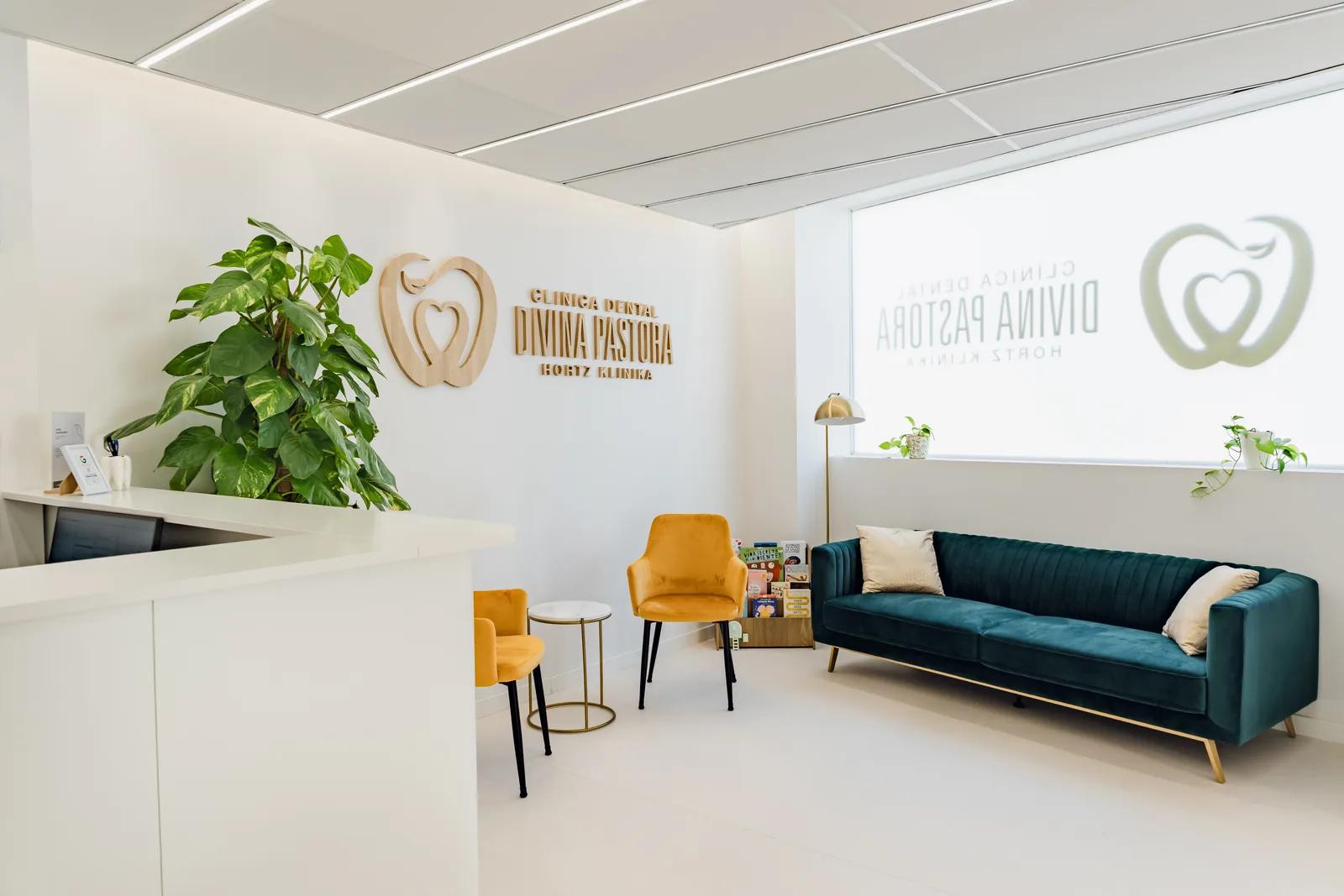
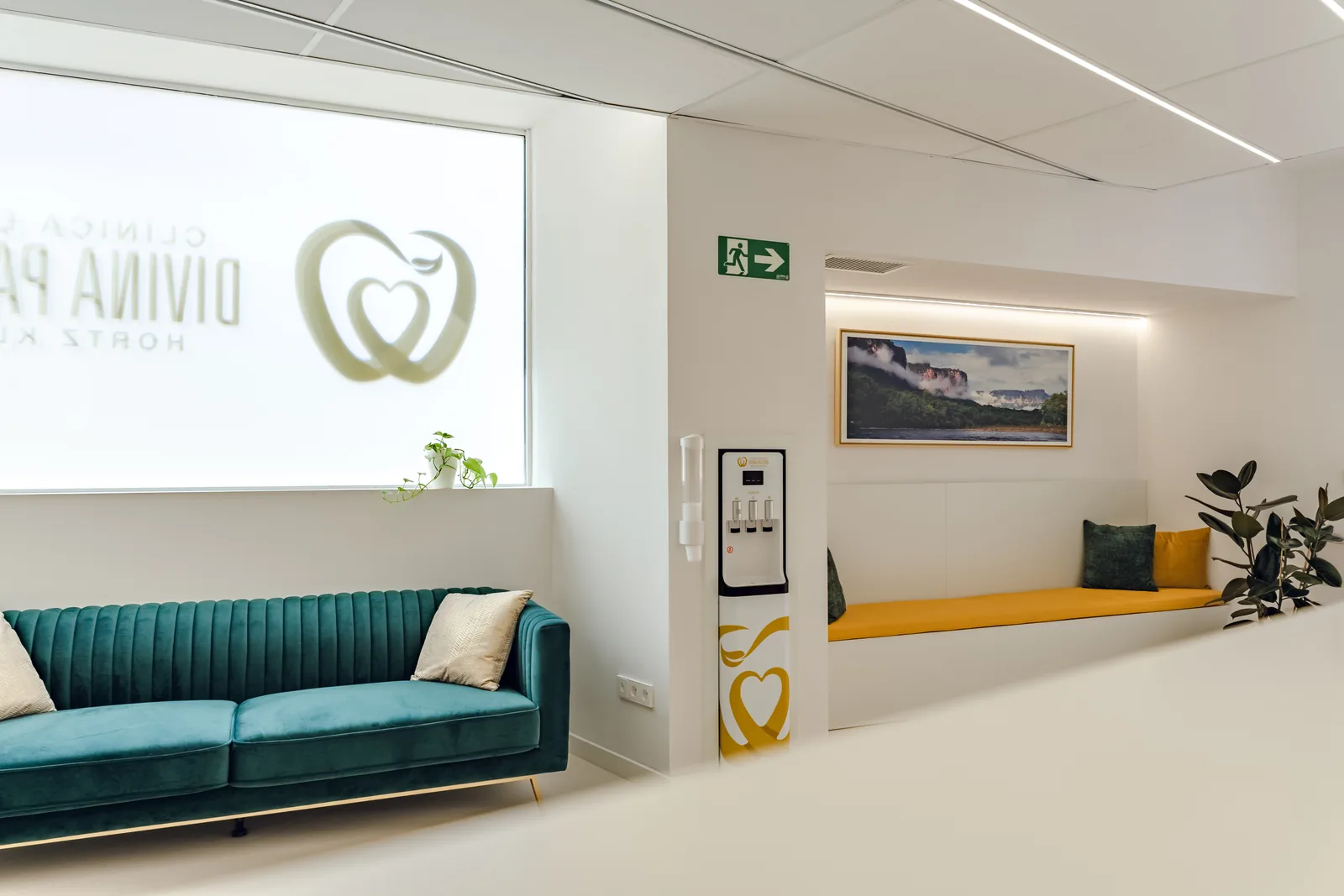
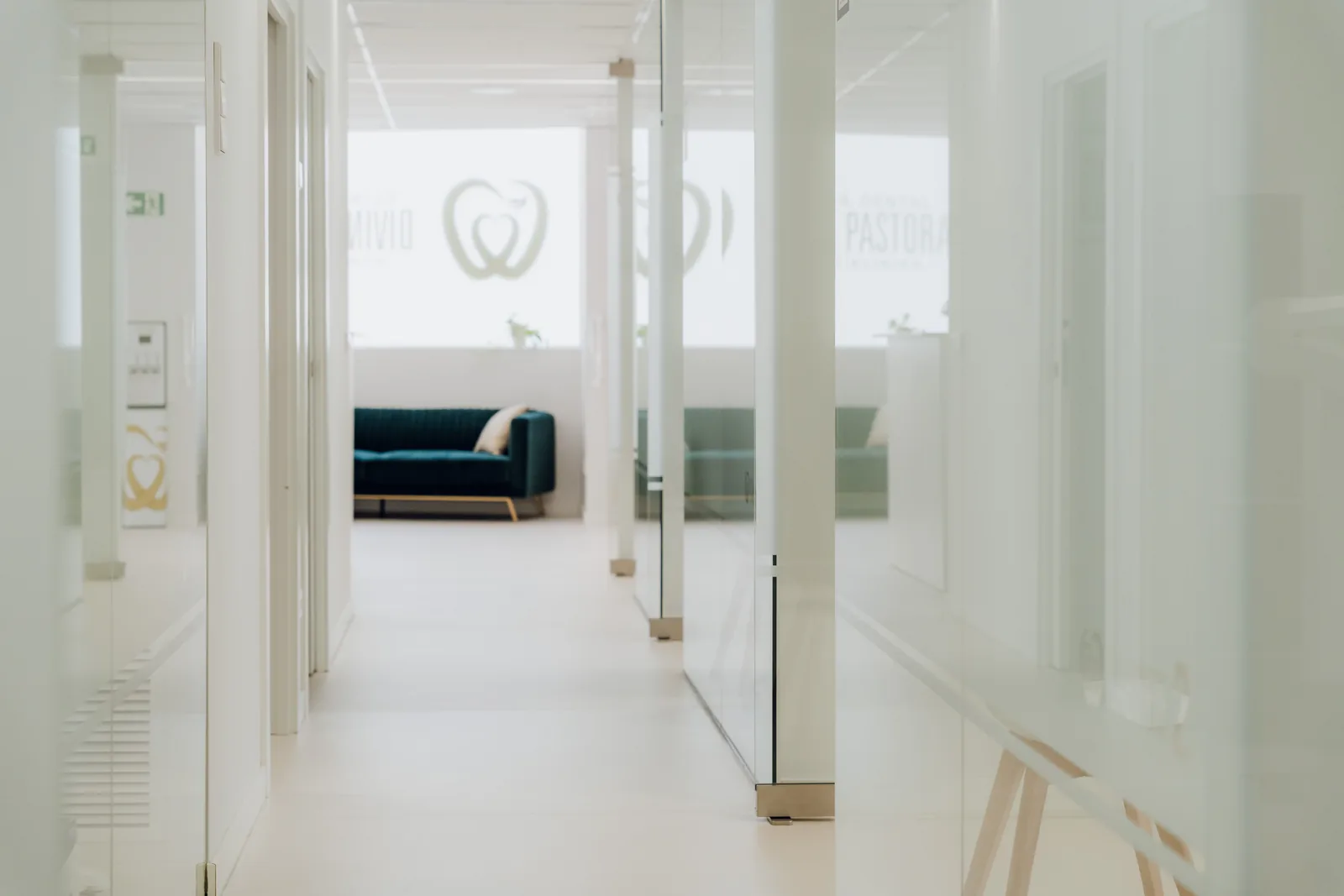
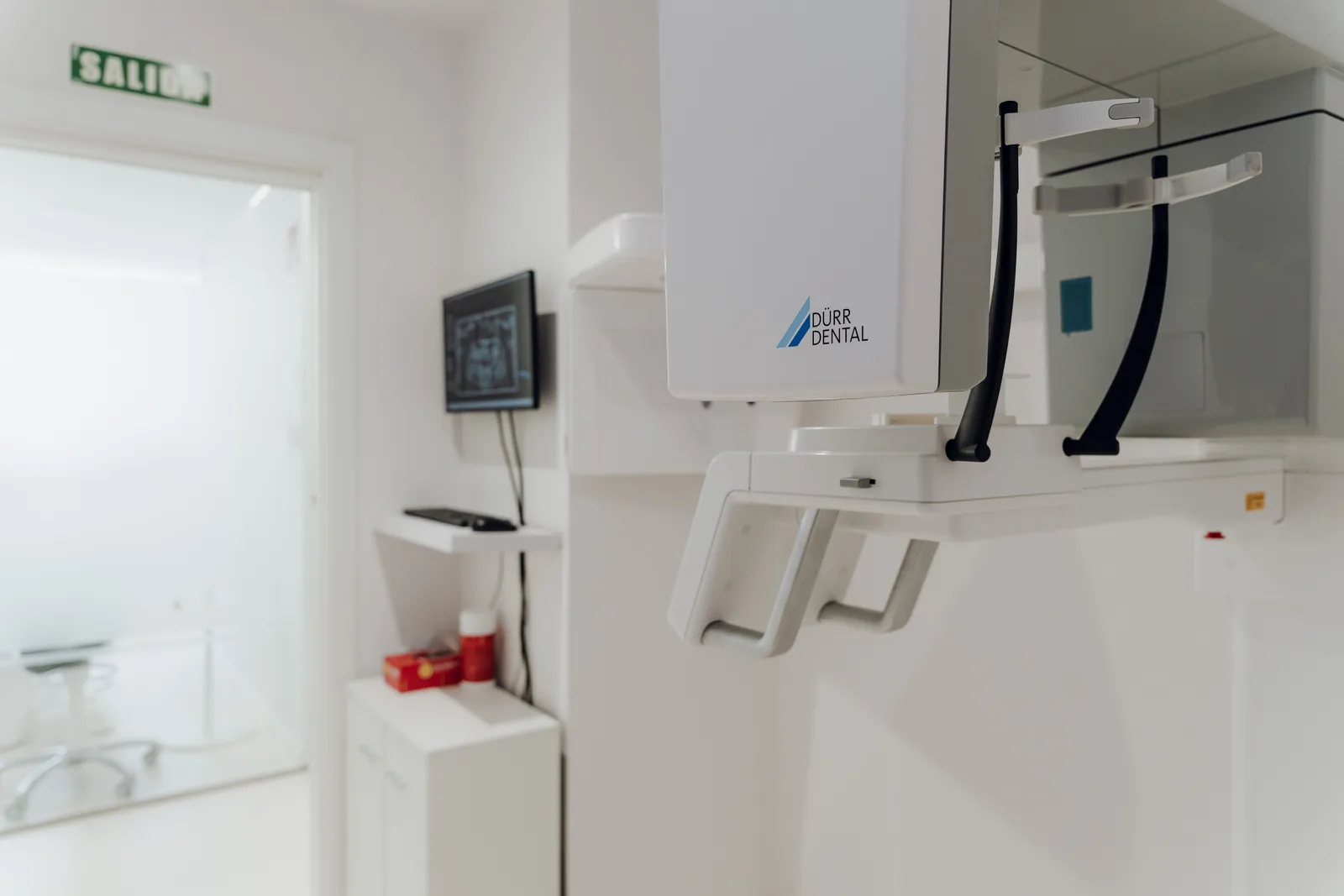
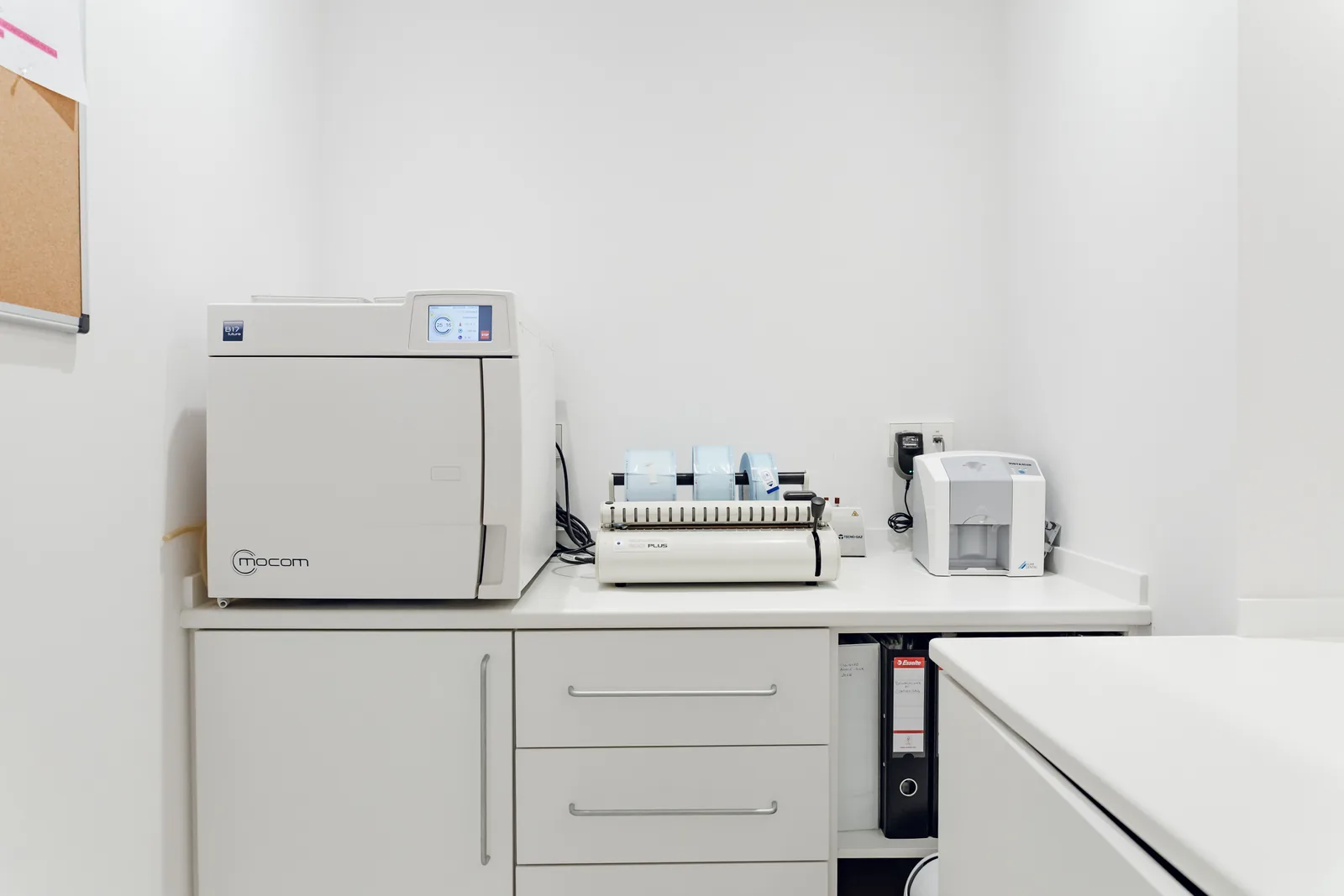
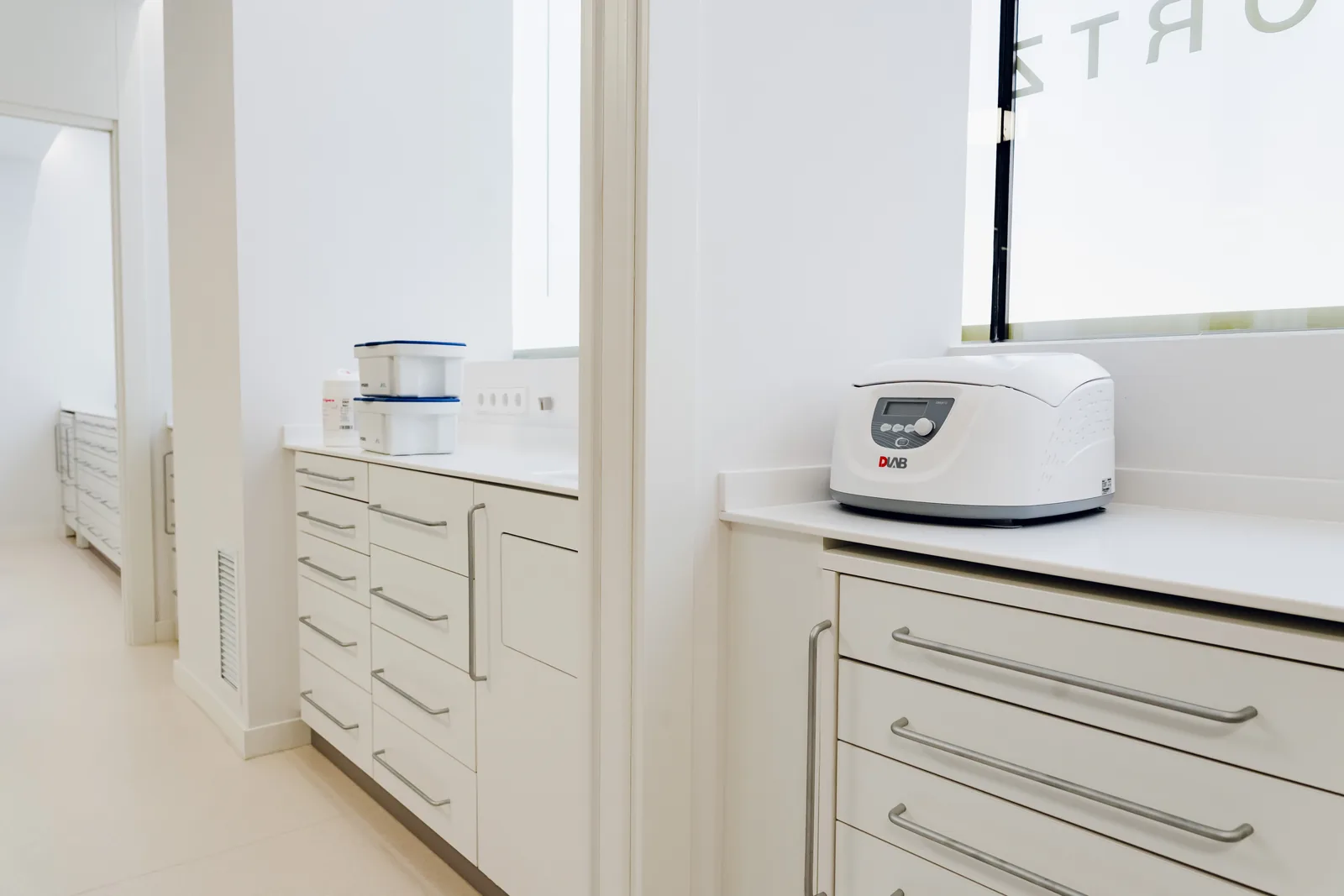
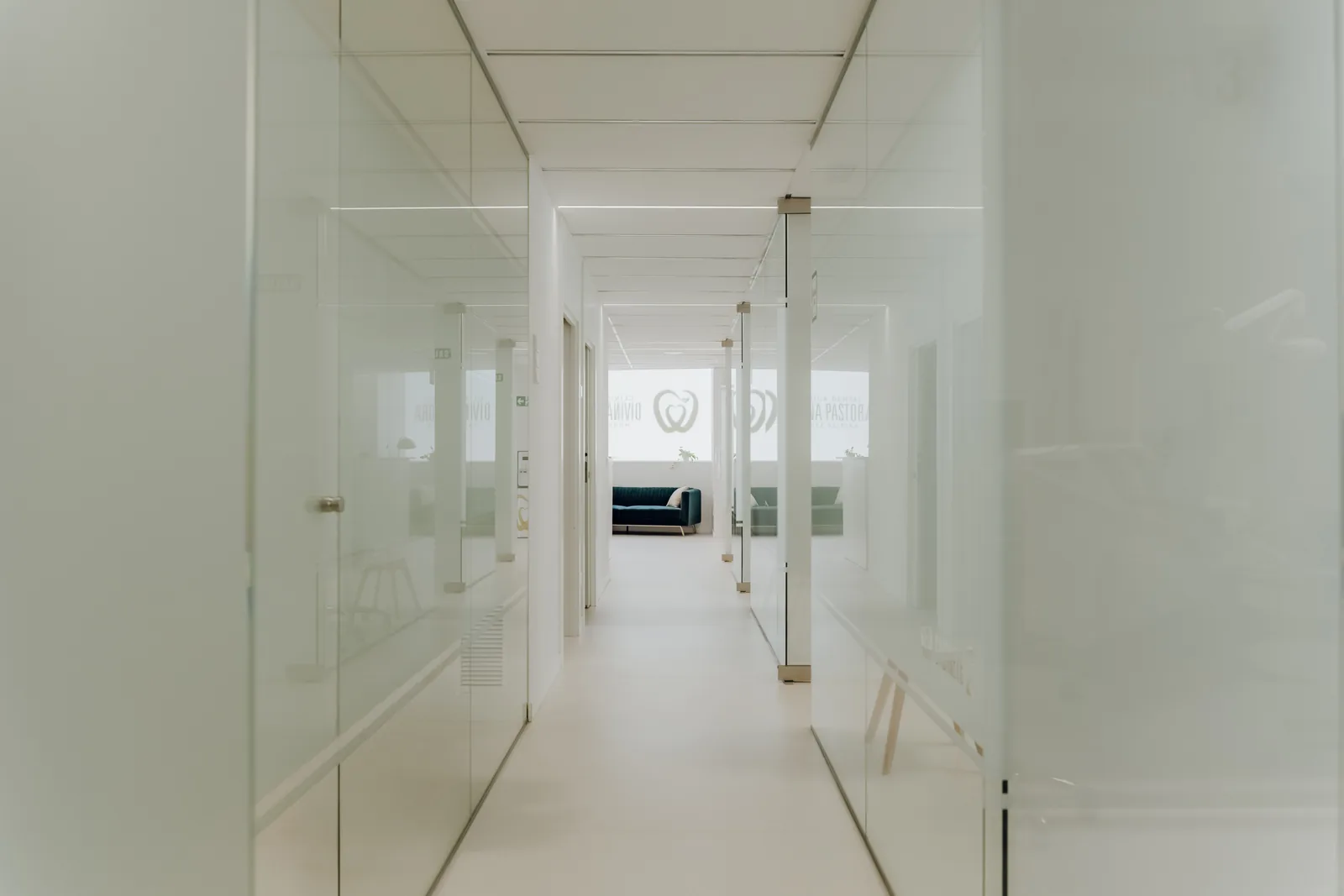
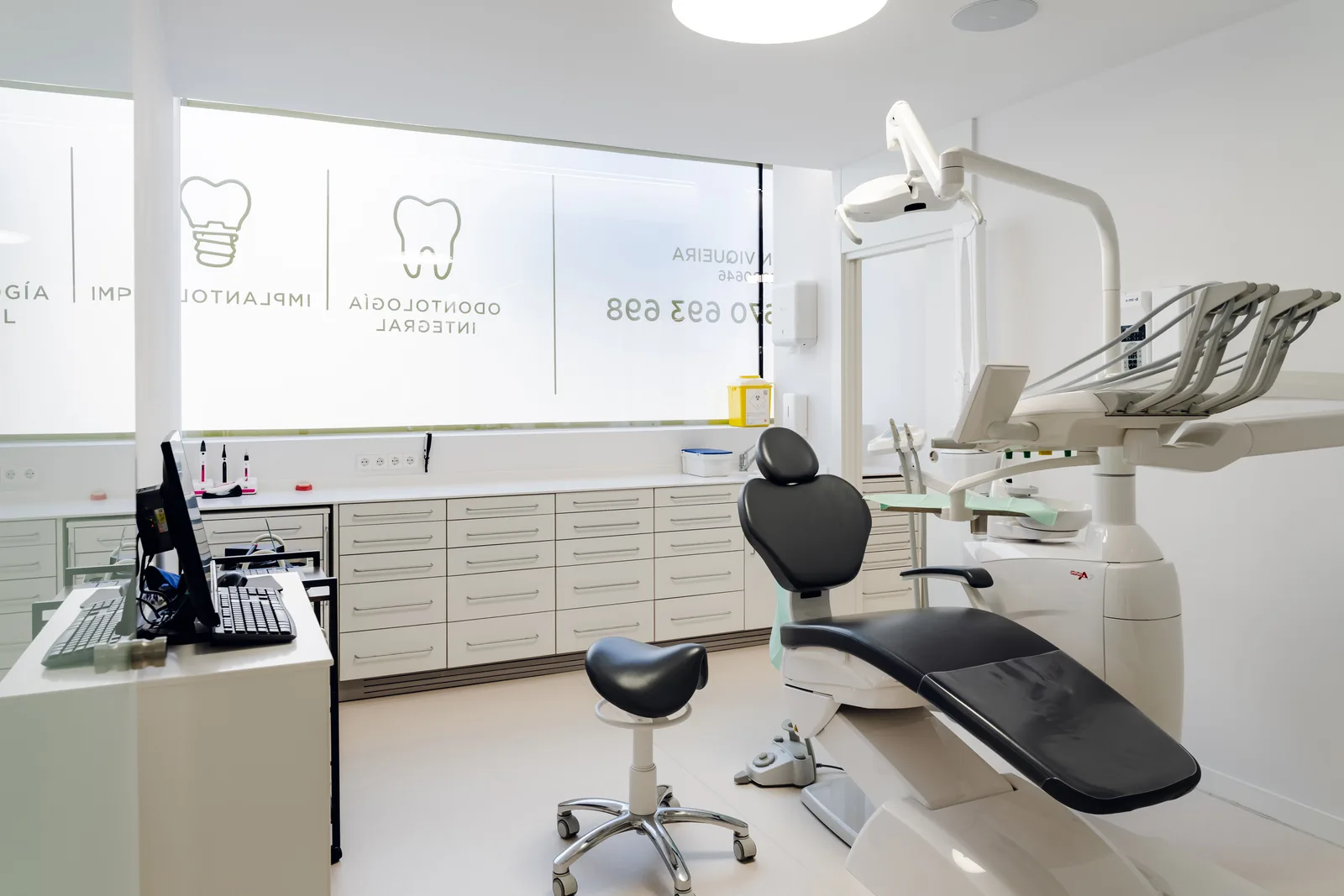
Explore the clinicOur facilities


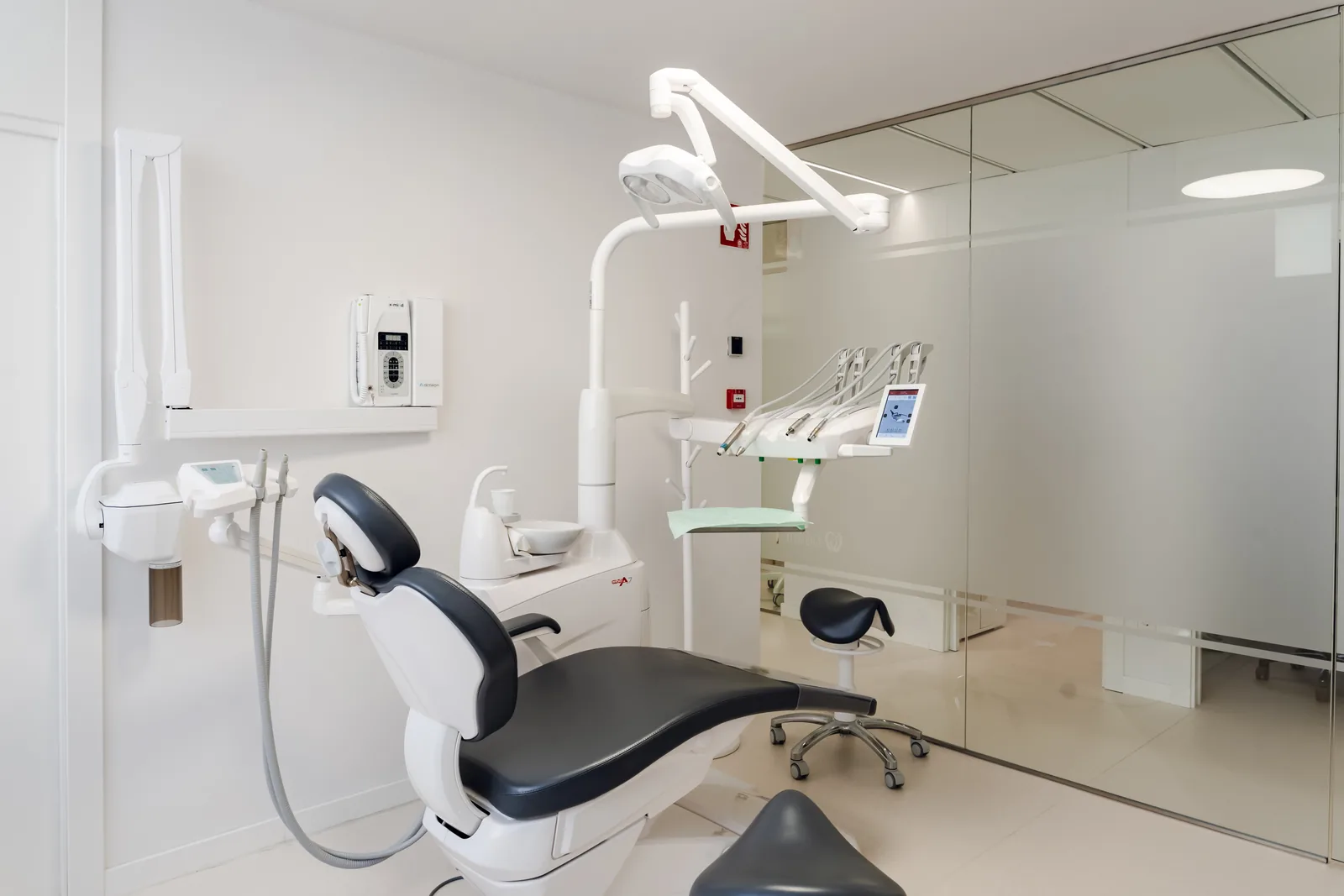
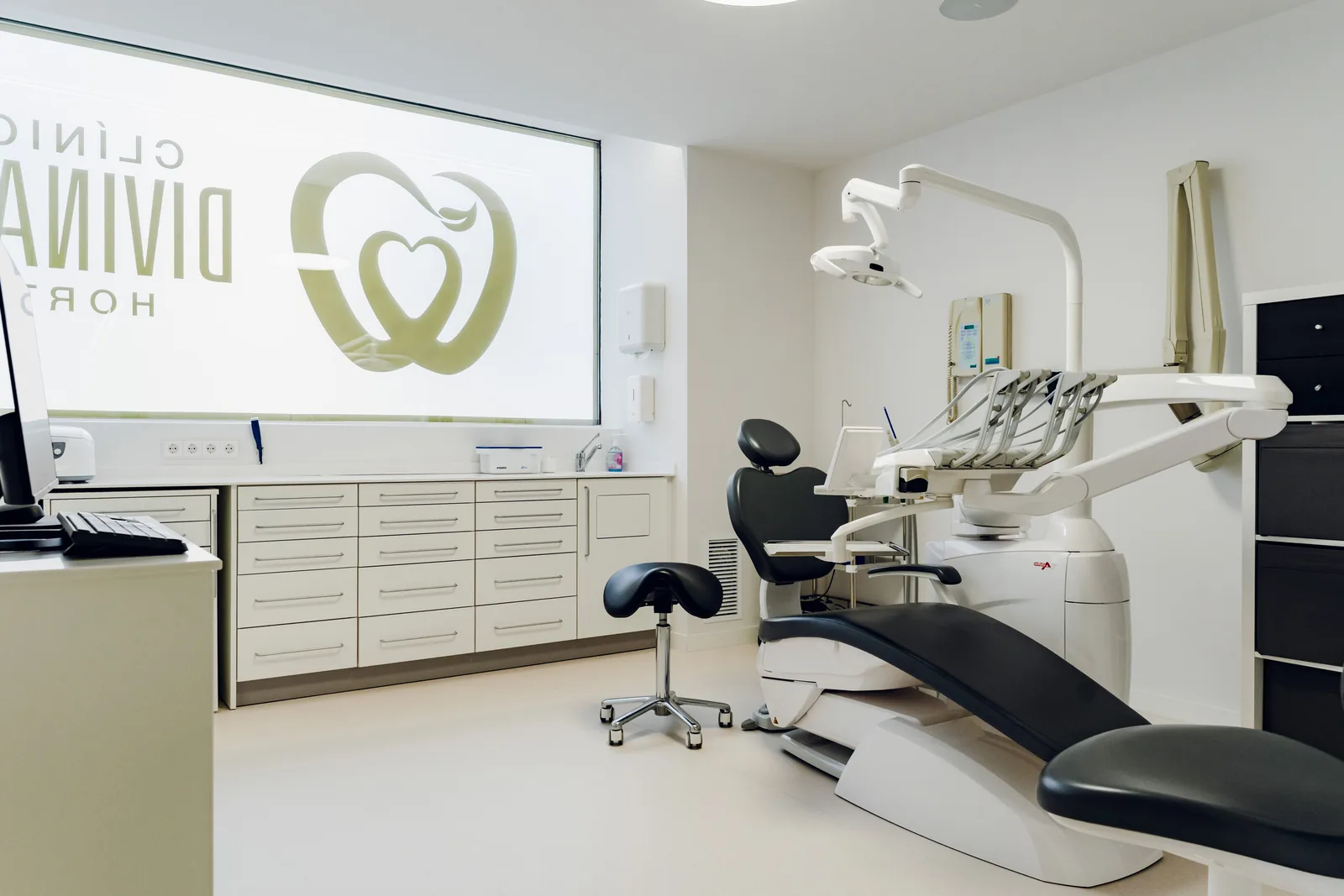
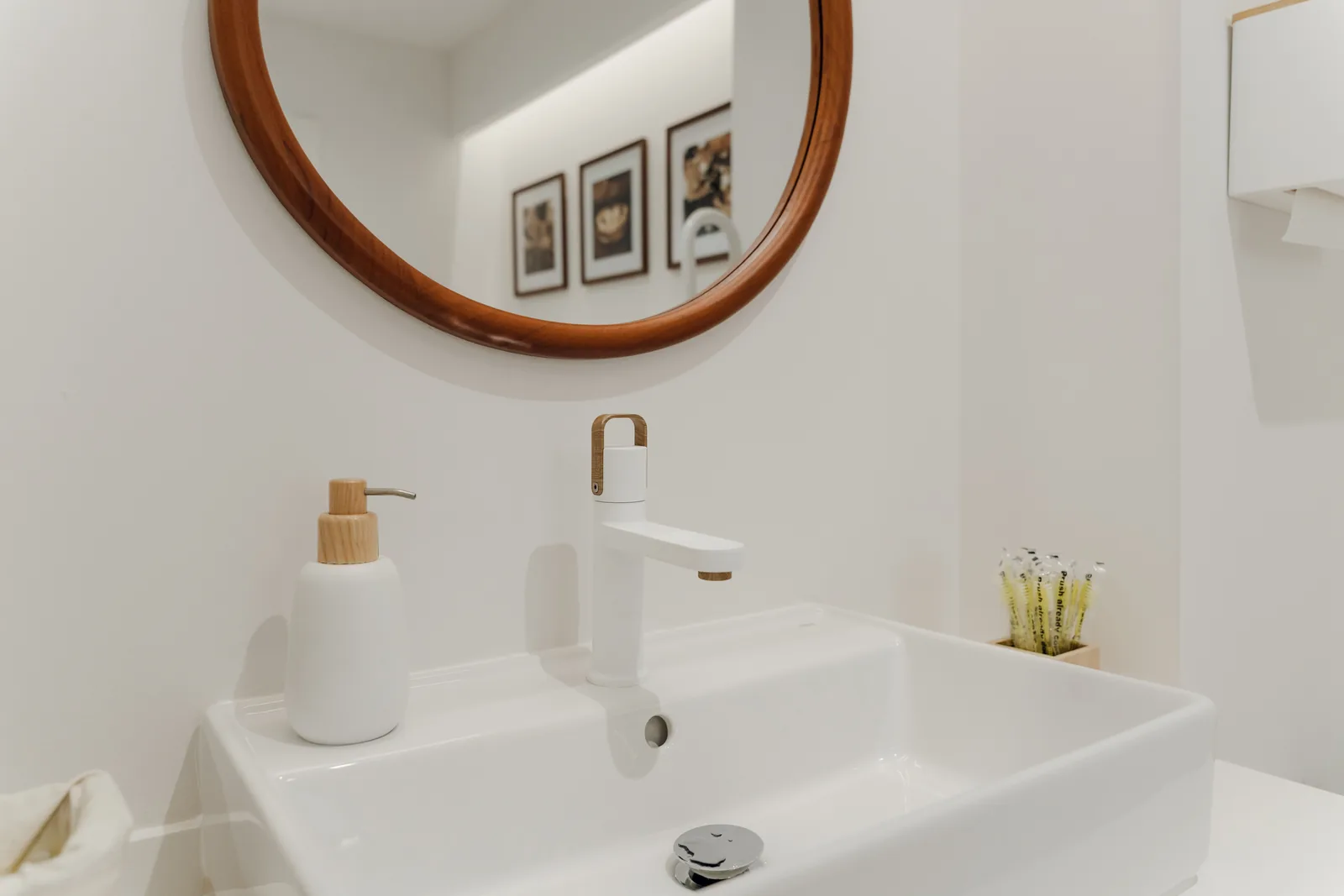
YOUR NEXT STEPYour new smile
Have an emergency? Call us. This form does not provide immediate care.
Your new smile
starts here.
Leave your contact details. We will speak with you to arrange your visit and answer your initial questions.
948 38 38 41 ↗- Monday to Thursday
- 09:00–18:30
- Friday
- 08:00–14:00
- Saturday and Sunday
- Closed