When you need guidance
Dental emergencies
Pain, an injury or a broken tooth: call us to discuss how we can help and check availability.
Call the clinic ILLUSTRATIVE IMAGE
AIMAssess priority
TECHNIQUEDiagnosis of the problem
PLAN AND DURATIONBased on your diagnosis
KEY CARECall before attending
UNDERSTAND BEFORE DECIDING
What does it involve?
A dental emergency requires the cause to be identified and care prioritised. Initial care may relieve and stabilise the situation, with further treatment needed afterwards. We handle requests according to availability during clinic opening hours. The website form does not provide an immediate response.
Care today. Smile tomorrow.
Priority assessment
A plan to address the cause
YOUR CASE IS UNIQUE
Is it right for you?
Contact a professional about severe pain, swelling, trauma, fractures or uncontrolled bleeding. For difficulty breathing or swallowing, significant facial or neck swelling or general deterioration, seek medical emergency care or call 112.
Suitability, alternatives and possible risks are always assessed during a consultation.
A plan you can understand.
Call us
Briefly explain what is happening so priority can be assessed.
Assessment
We assess the problem and the investigations needed.
Stabilise and plan
We address the immediate problem and agree follow-up.
Aftercare and points to consider
Do not apply aspirin, glue or irritants to teeth or gums. Do not take antibiotics without a prescription. Follow the advice of the professional assessing your situation.
UNDERSTAND YOUR OPTIONS
What to do while seeking dental care
Pain, swelling or a broken tooth
When calling, explain what happened, when it began and whether there is swelling, bleeding or an injury. This helps assess priority but does not replace examination. Care depends on availability during clinic opening hours. Call before attending to confirm whether we can see you.
Signs requiring immediate medical care
Seek urgent medical care for difficulty breathing, speaking or swallowing, or significant swelling that progresses or affects the eye area. Call 112 in an emergency. Do not wait for a reply to the form or for the clinic to open.
If a permanent tooth is knocked out
Seek immediate dental care. Hold the tooth by its crown without touching or rubbing the root. If it is not replanted, keep it moist in milk while travelling and ask for instructions. Never replant a baby tooth; ask immediately if you are unsure which type it is.
A fracture or infection needs diagnosis
Keep any broken fragment and seek advice: it may sometimes help repair the tooth. An abscess requires dental care to address its cause. Do not drain swelling yourself or use household glue or unprescribed antibiotics.
DENTAL DIVINA PASTORA · PAMPLONACome to your assessment
Come to your assessment
with a clearer picture.
These questions can help you discuss Dental emergencies during your visit. Bring your questions and any information about previous treatment that you have available.
Location, opening hours and contact ↗Questions worth asking
- What happened and when did it start?
- Is there fever, swelling or difficulty opening the mouth?
- Was there an injury, and do I have the tooth or fragment?
An examination helps clarify the options, stages and cost estimate for your case.
CLEAR ANSWERSYour questions,
Your questions,
clearly answered.
Information to help you feel more at ease before your appointment.
01Do you provide 24-hour care?
No round-the-clock service is offered. Call during the published opening hours and confirm availability.
02Can I use the form if I have severe pain?
Calling is preferable. Forms are reviewed during opening hours and do not guarantee an immediate response.
03What do I do if a tooth breaks?
Keep any fragment you find and contact a dentist. Avoid biting on the area until it is assessed.
04What if a tooth is knocked out?
Seek immediate dental attention. Avoid handling the root and ask for urgent instructions. Baby teeth must not be replanted.
05Can swelling wait?
It needs assessment. Seek urgent care if it spreads, fever develops or breathing or swallowing becomes difficult.
06Do antibiotics relieve toothache?
They are not painkillers and are not indicated in every emergency. Treatment depends on the cause.
07Will everything be resolved at the first appointment?
Sometimes initial care controls the situation, with treatment completed afterwards.
08How is suitability assessed?
This page provides general guidance. During your consultation, we review your history, examine your mouth and recommend investigations if needed. We explain the alternatives before a decision is made.
09Can I see a cost estimate before starting?
Yes. After diagnosis, we explain the proposed plan and cost estimate, including its stages and what is covered. The price depends on your needs, rather than the treatment name alone.
10How do I request an initial assessment?
Call 948 38 38 41 or complete the form at the end of this page. We will contact you to arrange a visit; submitting a request does not automatically reserve an appointment.
PEOPLE WHO CARE FOR YOUYour trust.
Your trust.
Our people.
Meet the people who support you at every visit. Different areas of dentistry, with one shared approach: a welcoming manner and clear explanations.
Meet the team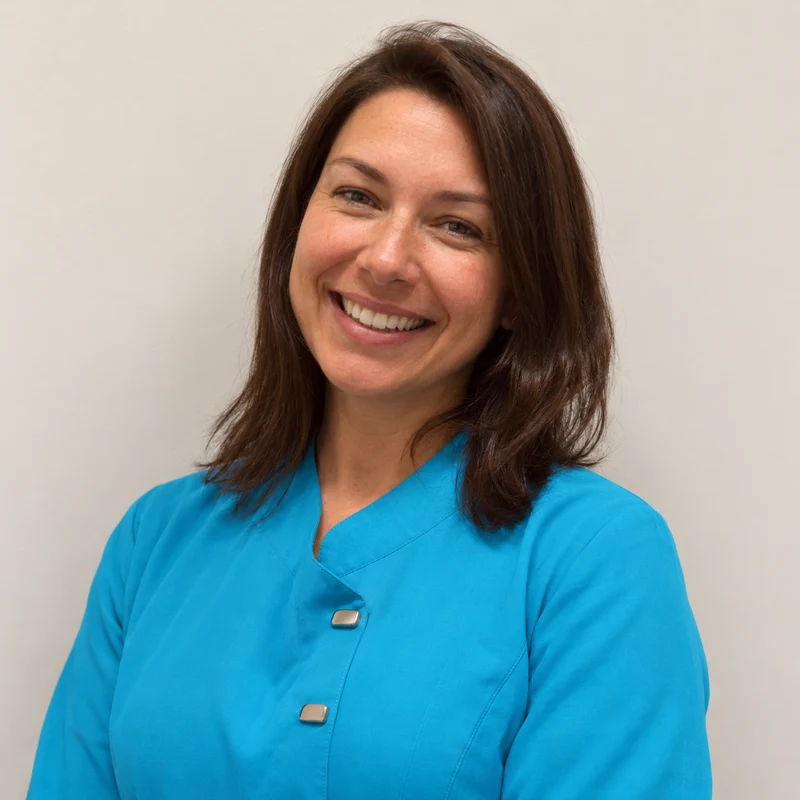
General dentistry · Root canal treatment
Dr Mariana Areyan Viqueira
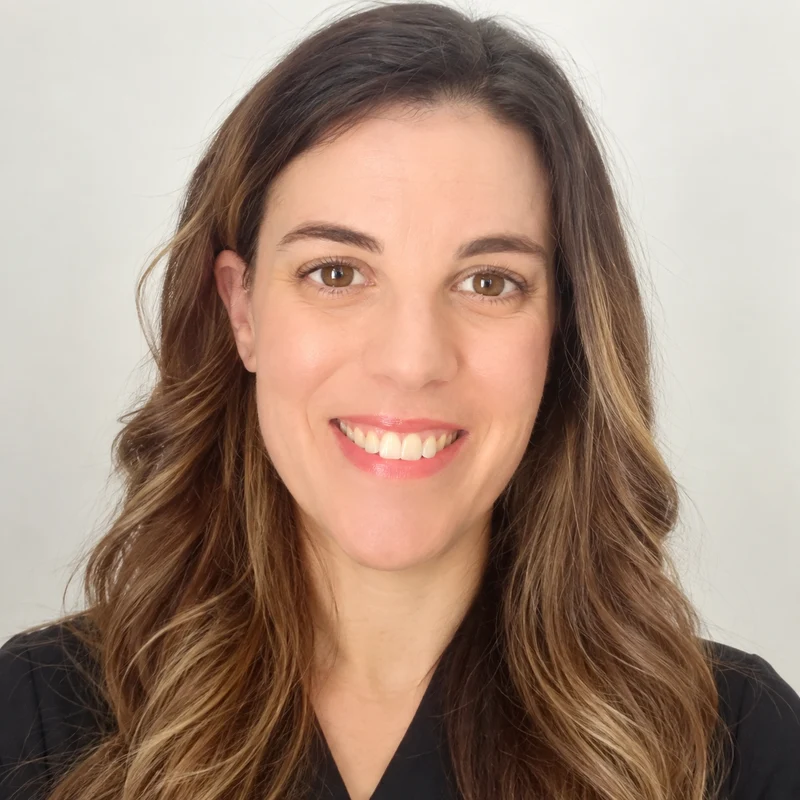
Orthodontics
Dr Ana Pison Martínez

Oral surgery · Dental implants
Dr Ziortza Ugarte Vizcarra
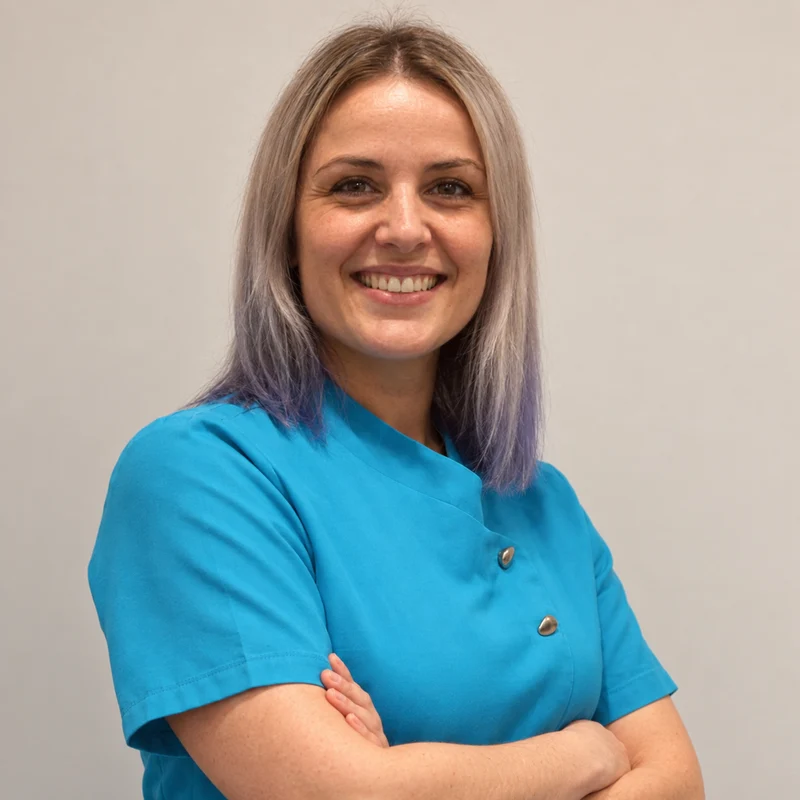
Dental assistant
Ainhoa Gómez Rodríguez
EXPLORE OUR CLINICYour next visit
Your next visit
starts here.
Discover the facilities at Dental Divina Pastora, Calle Loza, 4 · Pamplona.
Explore all our facilitiesYOUR NEXT STEPYour new smile
Have an emergency? Call us. This form does not provide immediate care.
Your new smile
starts here.
Leave your contact details. We will speak with you to arrange your visit and answer your initial questions.
948 38 38 41 ↗- Monday to Thursday
- 09:00–18:30
- Friday
- 08:00–14:00
- Saturday and Sunday
- Closed