Enjoy life again
Dental implants
Replacing a tooth can restore small pleasures: eating comfortably, speaking confidently and smiling in your own way.
Request an assessment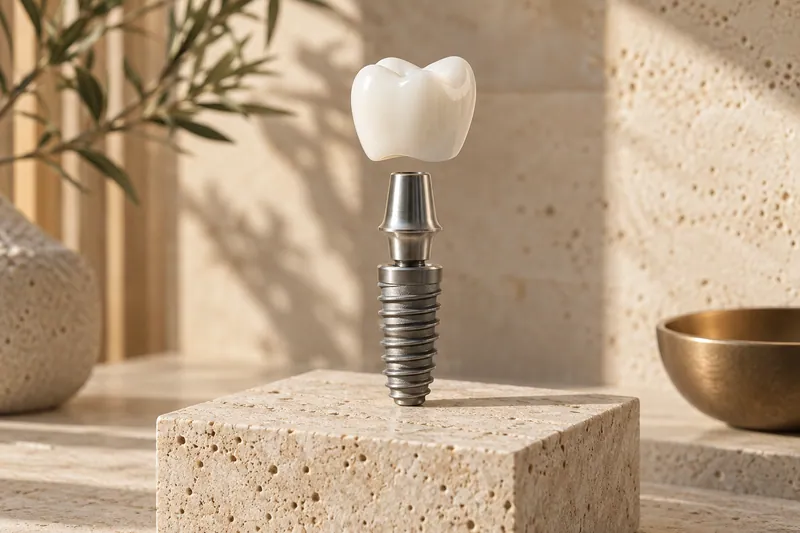 ILLUSTRATIVE IMAGE
AIMReplace missing teeth
TECHNIQUEImplant and prosthesis
PLAN AND DURATIONBased on your diagnosis
KEY CAREHygiene and maintenance
UNDERSTAND BEFORE DECIDING
What does it involve?
An implant replaces the root of a missing tooth and supports a crown or prosthesis. Before considering it, we assess the gums, available bone and your general health. Planning helps determine how many implants are needed and which restoration may work best. Missing teeth do not always require the same solution: we also consider bridges and removable dentures.
Care today. Smile tomorrow.
A restoration adapted to your smile
Replacement without necessarily relying on neighbouring teeth
YOUR CASE IS UNIQUE
Is it right for you?
Implants may be an option if you have one or more missing teeth and want a stable replacement. Periodontal disease must be controlled, the bone assessed and habits such as smoking reviewed. The decision follows an examination, rather than a photograph alone.
Suitability, alternatives and possible risks are always assessed during a consultation.
A plan you can understand.
Assessment and alternatives
We assess the tissues, your history and imaging when clinically indicated.
Placement and integration
Surgery is planned with anaesthesia and an individual healing period.
Your new smile
We fit the prosthesis and arrange reviews and hygiene maintenance.
Aftercare and points to consider
Initial swelling and discomfort may occur. Follow the cleaning and eating instructions, avoid smoking and attend reviews. Implants need long-term care; they are not immune to inflammation or mechanical complications.
UNDERSTAND YOUR OPTIONS
Important decisions about dental implants
One tooth, several gaps or a full arch
A restoration may be an individual crown, a bridge or a more extensive prosthesis. One implant is not always needed for every missing tooth. The number and distribution depend on the available support and the planned prosthesis.
Healing is part of treatment
A gum that looks closed does not mean an implant is ready for unrestricted loading. Bone needs to integrate with the implant surface. During this phase, the possibility of a temporary prosthesis and any limitations on its use are assessed individually.
Understand the components and plan
Distinguish surgery, implant, abutment and final restoration. Ask for the stages, any preliminary procedures and maintenance requirements to be explained. Keep the identification details of the implant system used: they may help with future reviews or repairs.
Changes that need a review
Bleeding around an implant, persistent swelling or a feeling of movement deserves assessment. The problem may involve the tissues or a prosthetic component. Do not try to tighten or reposition the restoration yourself.
DENTAL DIVINA PASTORA · PAMPLONACome to your assessment
Come to your assessment
with a clearer picture.
These questions can help you discuss Dental implants during your visit. Bring your questions and any information about previous treatment that you have available.
Location, opening hours and contact ↗Questions worth asking
- What alternatives to an implant are available in my case?
- What can I wear while the area heals?
- Which reviews and components are included in the proposal?
An examination helps clarify the options, stages and cost estimate for your case.
CLEAR ANSWERSYour questions,
Your questions,
clearly answered.
Information to help you feel more at ease before your appointment.
01Are an implant and a crown the same?
No. The implant is placed in the bone; the crown is the visible part that replaces the tooth. Your cost estimate should explain which components are included.
02Can an implant be placed if there is insufficient bone?
Some cases require bone regeneration or another approach. Bone quantity and quality are assessed through examination and any imaging that is indicated.
03Can I have teeth fitted on the same day?
Only in selected cases that meet the necessary stability and planning requirements. Immediate loading cannot be promised before assessment.
04Does the surgery hurt?
Local anaesthesia is used. Discomfort and swelling may follow; the team will provide aftercare suited to your circumstances.
05How long does an implant last?
There is no guaranteed lifespan. Hygiene, smoking, periodontal health, the bite and professional maintenance all influence the outcome.
06Can I have implants if I have diabetes?
Diabetes alone does not rule out implants. Its control, your history and risks affecting healing need individual assessment.
07What if I smoke?
Smoking increases the risk of complications. Discussing reduction or stopping forms part of responsible planning.
08How is suitability assessed?
This page provides general guidance. During your consultation, we review your history, examine your mouth and recommend investigations if needed. We explain the alternatives before a decision is made.
09Can I see a cost estimate before starting?
Yes. After diagnosis, we explain the proposed plan and cost estimate, including its stages and what is covered. The price depends on your needs, rather than the treatment name alone.
10How do I request an initial assessment?
Call 948 38 38 41 or complete the form at the end of this page. We will contact you to arrange a visit; submitting a request does not automatically reserve an appointment.
PEOPLE WHO CARE FOR YOUYour trust.
Your trust.
Our people.
Meet the people who support you at every visit. Different areas of dentistry, with one shared approach: a welcoming manner and clear explanations.
Meet the team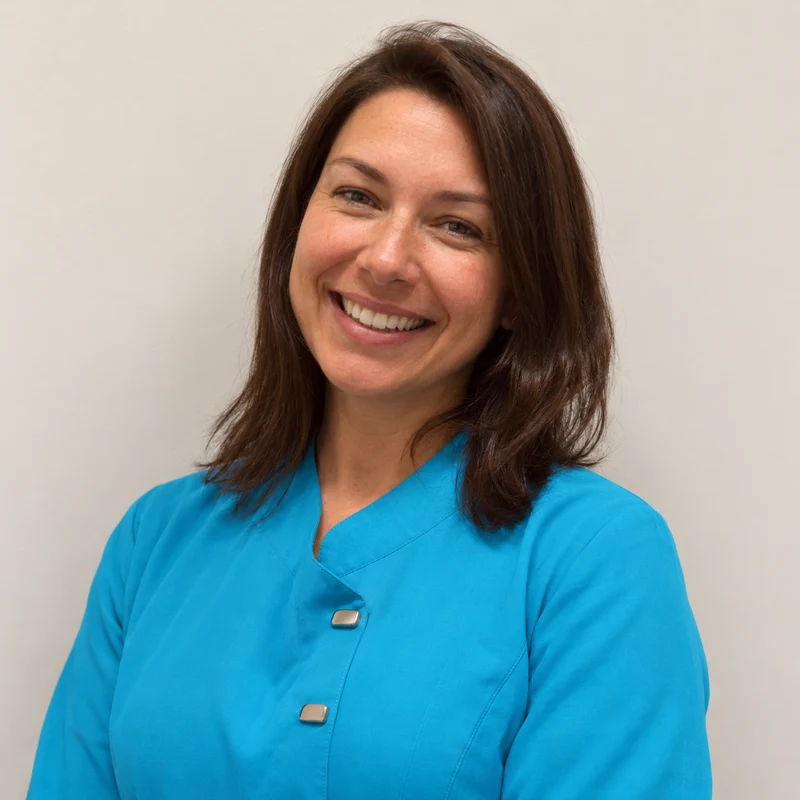
General dentistry · Root canal treatment
Dr Mariana Areyan Viqueira
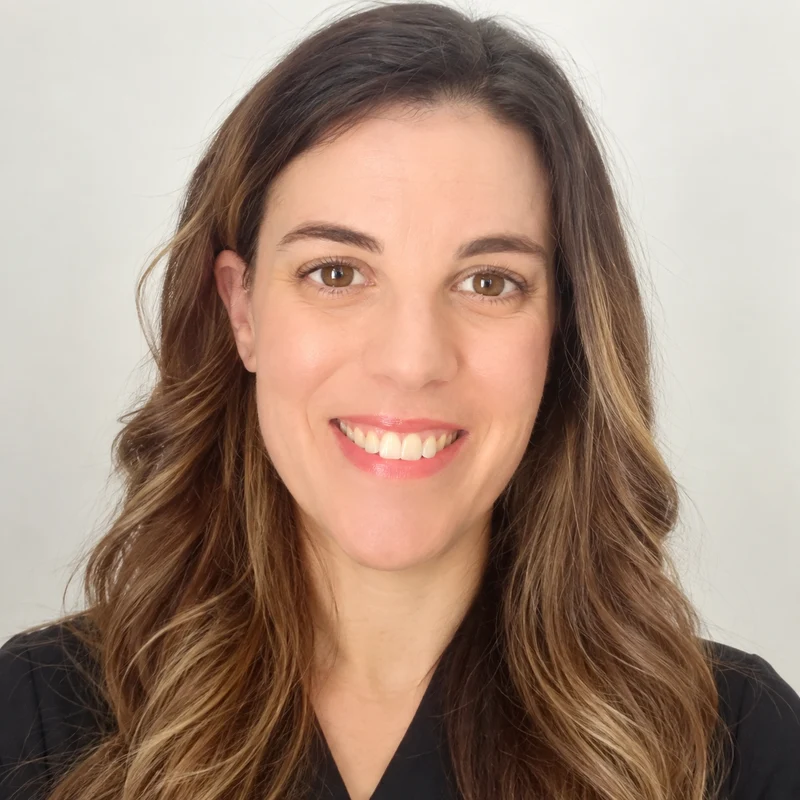
Orthodontics
Dr Ana Pison Martínez
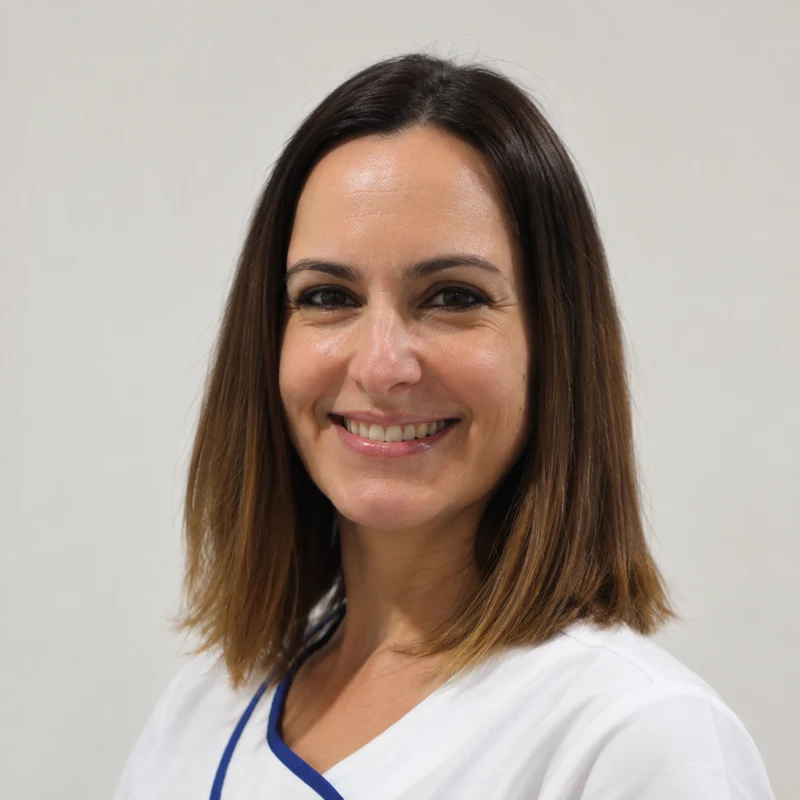
Oral surgery · Dental implants
Dr Ziortza Ugarte Vizcarra
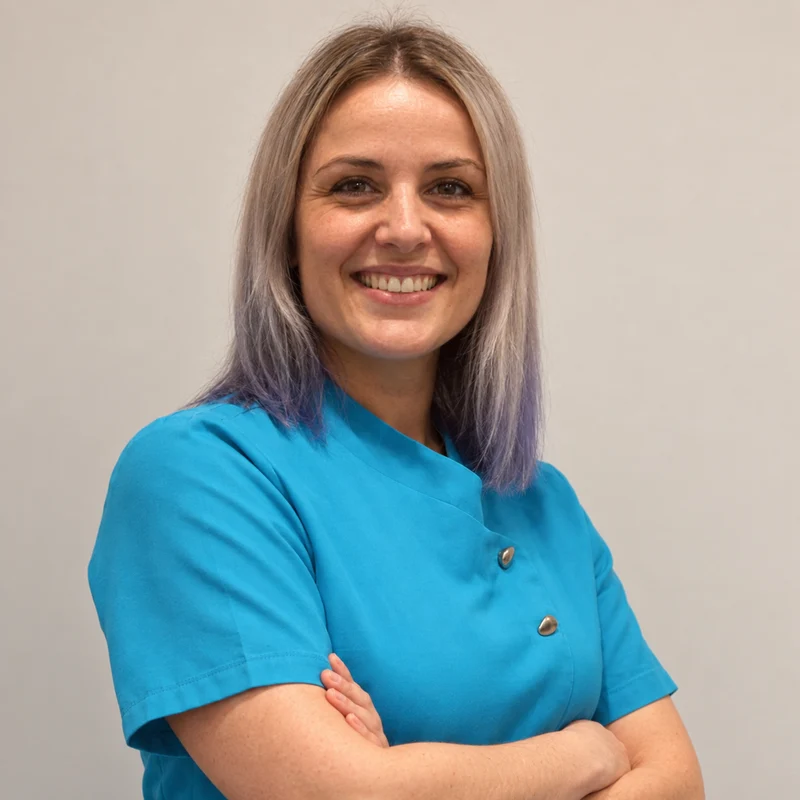
Dental assistant
Ainhoa Gómez Rodríguez
EXPLORE OUR CLINICYour next visit
Your next visit
starts here.
Discover the facilities at Dental Divina Pastora, Calle Loza, 4 · Pamplona.
Explore all our facilitiesYOUR NEXT STEPYour new smile
Have an emergency? Call us. This form does not provide immediate care.
Your new smile
starts here.
Leave your contact details. We will speak with you to arrange your visit and answer your initial questions.
948 38 38 41 ↗- Monday to Thursday
- 09:00–18:30
- Friday
- 08:00–14:00
- Saturday and Sunday
- Closed