Comfort in everyday life
Dental prostheses
Chew and smile again with a solution designed for your mouth and your needs.
Request an assessment
AIMRestore function
TECHNIQUEFixed or removable
PLAN AND DURATIONBased on your diagnosis
KEY CAREHygiene and adjustments
UNDERSTAND BEFORE DECIDING
What does it involve?
Dental prostheses replace one, several or all missing teeth. They may be fixed or removable and supported by teeth, gums or implants. The choice depends on available tissues, the distribution of missing teeth, your ability to clean and your expectations of stability. Fitting appointments allow function and appearance to be checked before treatment is completed.
EXPLORE YOUR OPTIONSRemovable dentures.
Removable dentures.
A closer look.
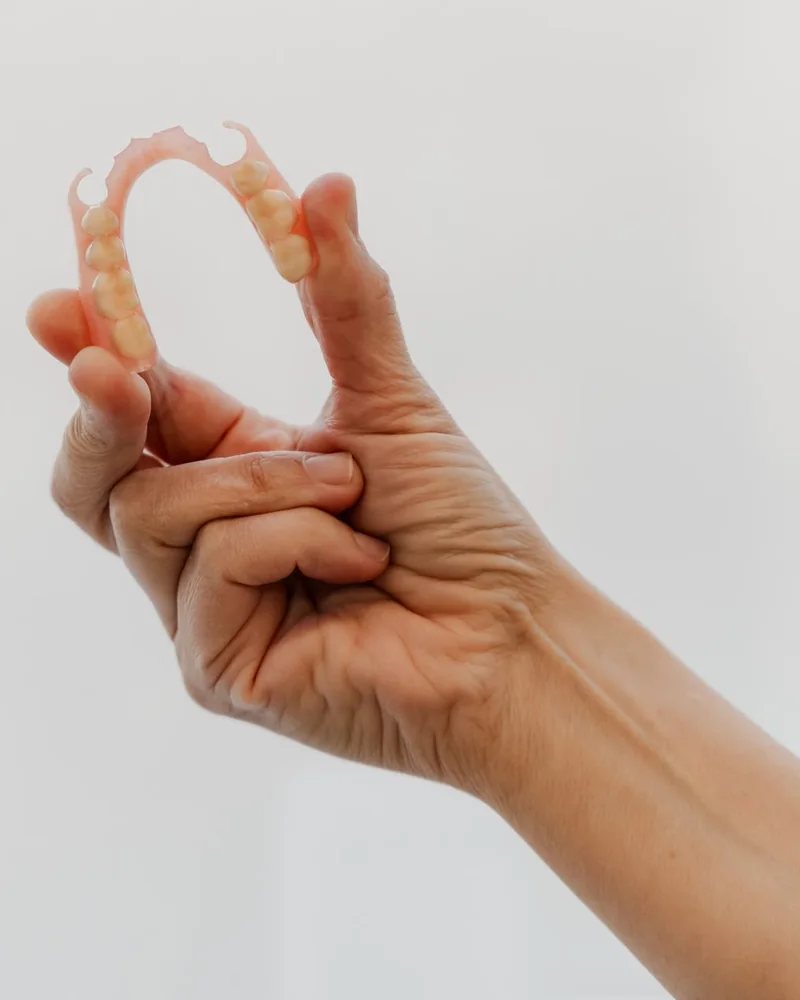
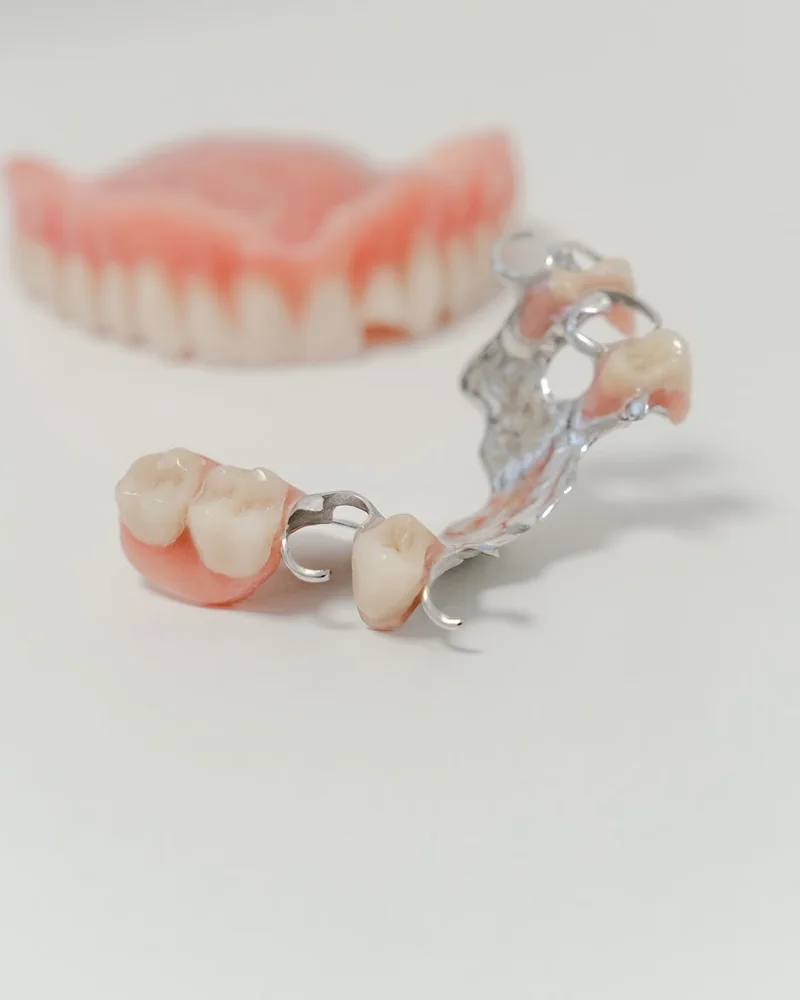
Removable dentures are taken out for cleaning and can replace several teeth or a full arch. We assess which option suits your tissues, bite and needs.
Care today. Smile tomorrow.
Improvement of chewing function
Options for different clinical situations
YOUR CASE IS UNIQUE
Is it right for you?
Prosthetic care may be appropriate for missing teeth, an unstable denture or an older restoration needing review. The most complex option is not always the most suitable; we seek a balance between function, care and feasibility.
Suitability, alternatives and possible risks are always assessed during a consultation.
A plan you can understand.
Assess the support
We check the teeth and tissues that will support the prosthesis.
Testing and adaptation
We check fit, bite and aesthetics.
Support during adaptation
We explain cleaning, adaptation and reviews.
Aftercare and points to consider
Removable dentures also need cleaning outside the mouth as instructed. Fixed restorations need cleaning under bridges and around implants. Request professional adjustment if rubbing or movement occurs.
UNDERSTAND YOUR OPTIONS
Choosing and adapting a dental prosthesis
Support influences the design
A prosthesis can replace some teeth or a full arch. Some are removable for cleaning, while others remain fixed to their supports. Understand which teeth or tissues will support it and how you will reach each area for cleaning.
Adapting may require practice and adjustments
Speech, chewing and the feeling of the prosthesis may differ initially. Adaptation does not mean tolerating a sore. Ask for advice about rubbing or instability; smoothing, bending or repairing it at home can alter the fit.
Clean both mouth and prosthesis
Even where teeth are missing, gums and other oral tissues need care. Clean removable denture surfaces that contact tissues too. Follow instructions on removal, storage and cleaning products: different materials have different needs.
Fit needs review over time
Oral tissues can change and prostheses can wear or lose stability. Reviews help identify the need for adjustment or replacement. Mention increasing reliance on adhesive: it should not conceal a fit problem.
DENTAL DIVINA PASTORA · ANSOÁINCome to your assessment
Come to your assessment
with a clearer picture.
These questions can help you discuss Dental prostheses during your visit. Bring your questions and any information about previous treatment that you have available.
Location, opening hours and contact ↗Questions worth asking
- What will support my prosthesis?
- What should I expect during adaptation, and what if it rubs?
- How should I clean and store it?
An examination helps clarify the options, stages and cost estimate for your case.
CLEAR ANSWERSYour questions,
Your questions,
clearly answered.
Information to help you feel more at ease before your appointment.
01What is the difference between fixed and removable?
A removable prosthesis can be taken out by the patient. A fixed restoration remains attached to teeth or implants and needs specific cleaning techniques.
02Will a prosthesis affect my speech?
An adaptation period may be needed. Adjustments and practice can help restore comfort.
03Can I sleep with it in?
It depends on the type. Many removable dentures should be taken out to let tissues rest, following professional instructions.
04What if it rubs?
Request a review and do not file it down at home. Adjustments must preserve support and the bite.
05Are implant prostheses always fixed?
No. There are also removable devices retained by implants. Each design has its own indications and maintenance.
06Can an old prosthesis be improved?
Sometimes it can be relined or repaired; other cases need replacement. Wear and the supporting tissues are assessed.
07Does it need checking if it does not hurt?
Yes. The mouth changes, and fit can deteriorate without obvious pain.
08How is suitability assessed?
This page provides general guidance. During your consultation, we review your history, examine your mouth and recommend investigations if needed. We explain the alternatives before a decision is made.
09Can I see a cost estimate before starting?
Yes. After diagnosis, we explain the proposed plan and cost estimate, including its stages and what is covered. The price depends on your needs, rather than the treatment name alone.
10How do I request an initial assessment?
Call 948 38 38 41 or complete the form at the end of this page. We will contact you to arrange a visit; submitting a request does not automatically reserve an appointment.
CASES FROM OUR CLINIC
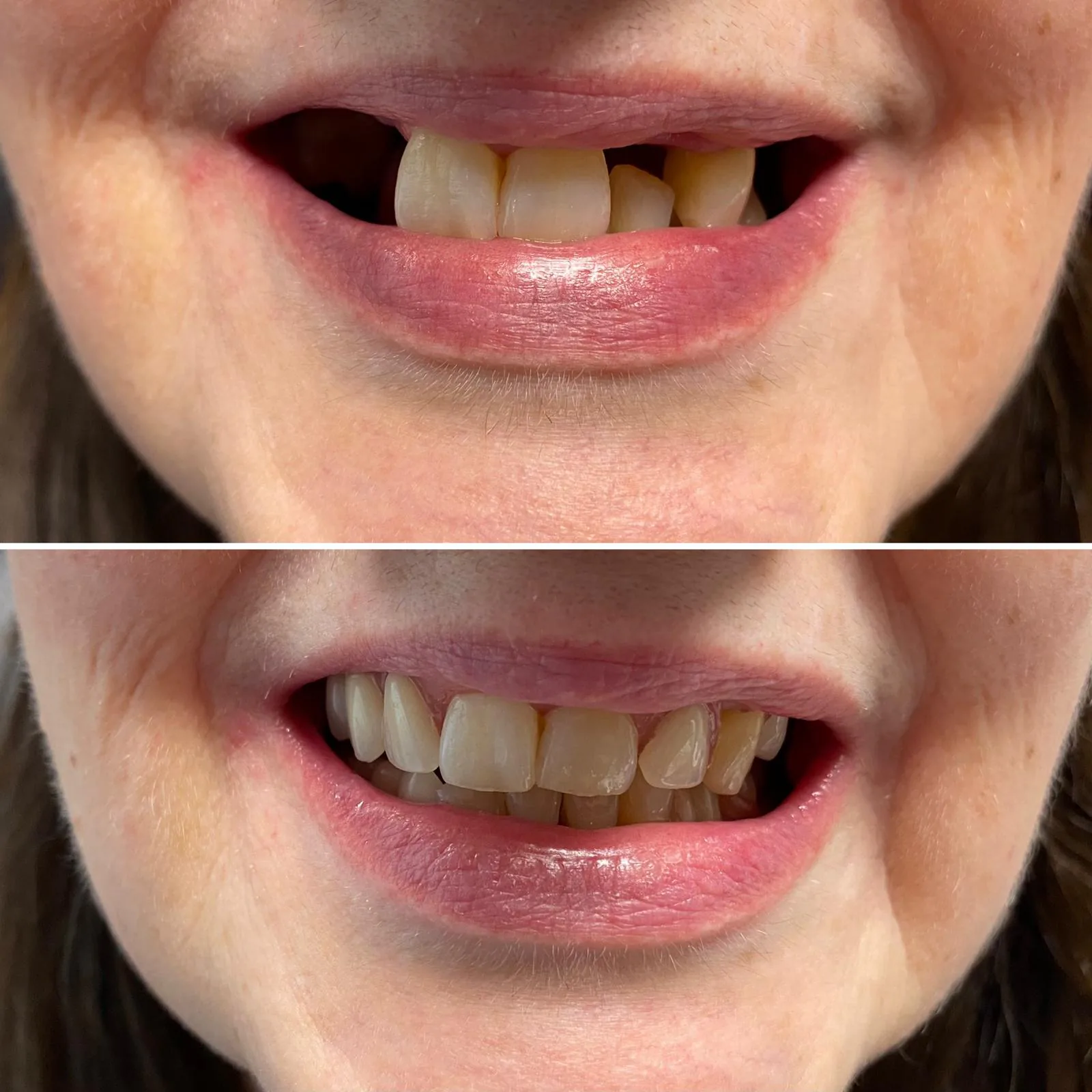
Real removable denture cases.
Enlarge the photographs to explore each case in detail. Your own treatment plan is assessed individually during your consultation.
View all cases ↗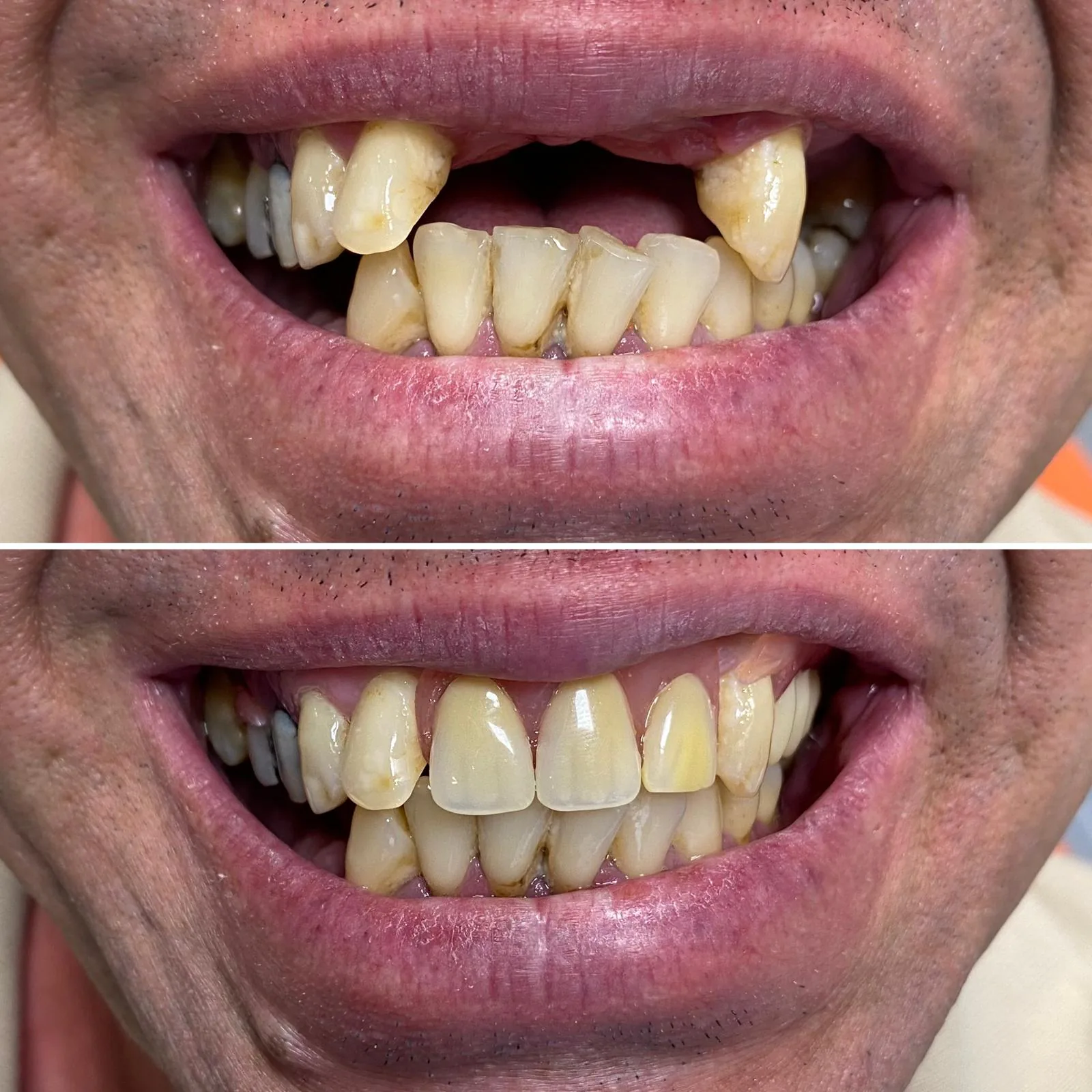

YOUR PLAN, STEP BY STEPImplant-supported
Implant-supported
prostheses.
Implants can support a dental prosthesis. During your consultation, we assess your needs and explain the design, adaptation and care of the option proposed for you.
Explore dental implants
LET’S TALK ABOUT YOUR OPTIONSFinancing
Financing
to suit you.
Ask about the financing options available for your treatment. We will explain the conditions before you decide.
Ask about your optionsPEOPLE WHO CARE FOR YOUYour trust.
Your trust.
Our people.
Meet the people who support you at every visit. Different areas of dentistry, with the same personal approach and clear explanations.
Meet our team10 team members
Clinical team

Dr Mariana Areyan
General dentistry · Surgery and implants
Areas of care


Eduardo Díaz Villasmil
General dentistry · Cosmetic dentistry and root canal treatment

Adrián Duquela
General dentistry · Root canal treatment

Management, hygiene and reception


DIVINA PASTORA · ANSOÁINOne team.
One team.
A shared approach to care.
Listening, explaining and supporting you. That is how we approach every visit.
Let’s talk about your smileSTEP INSIDE OUR CLINIC
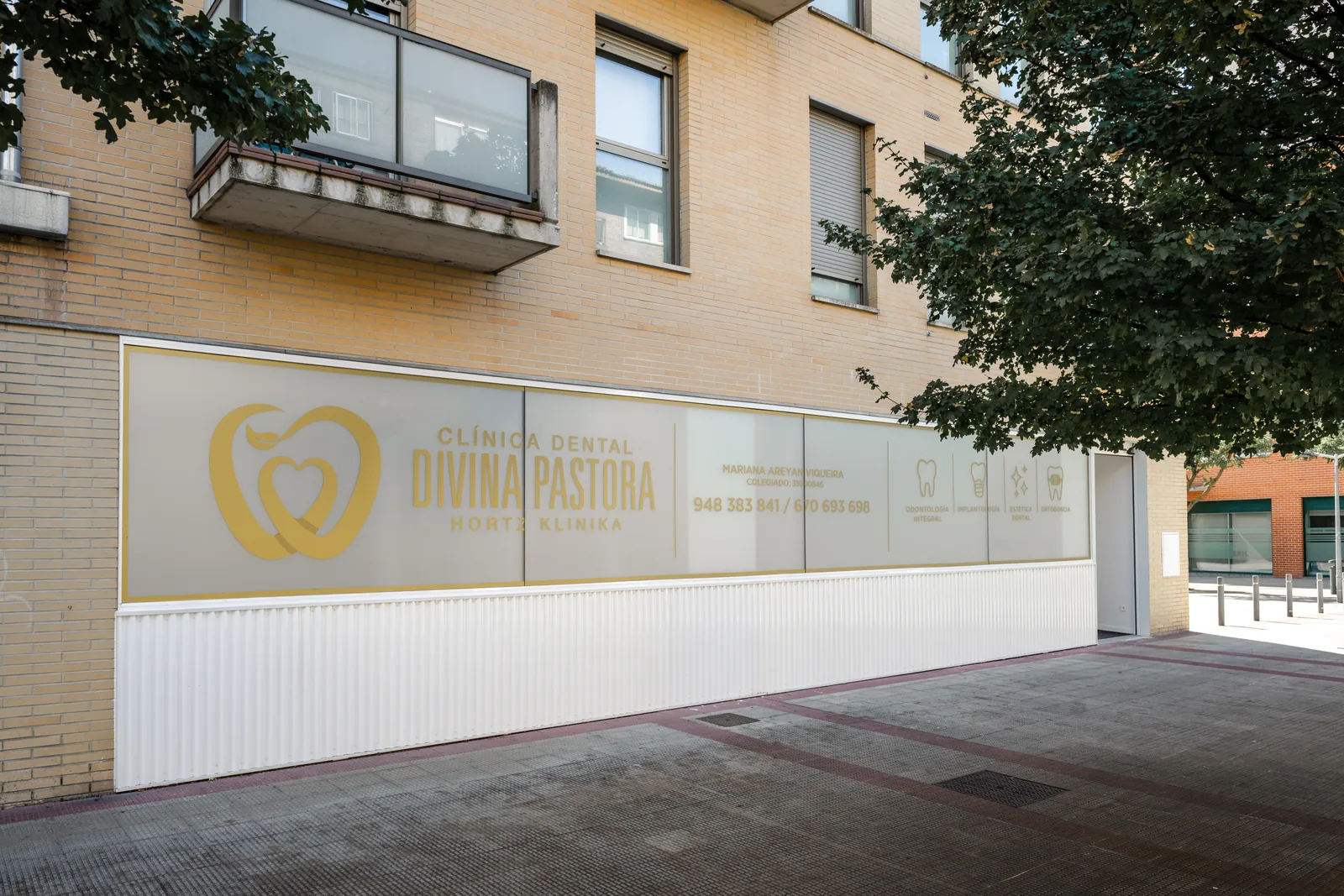
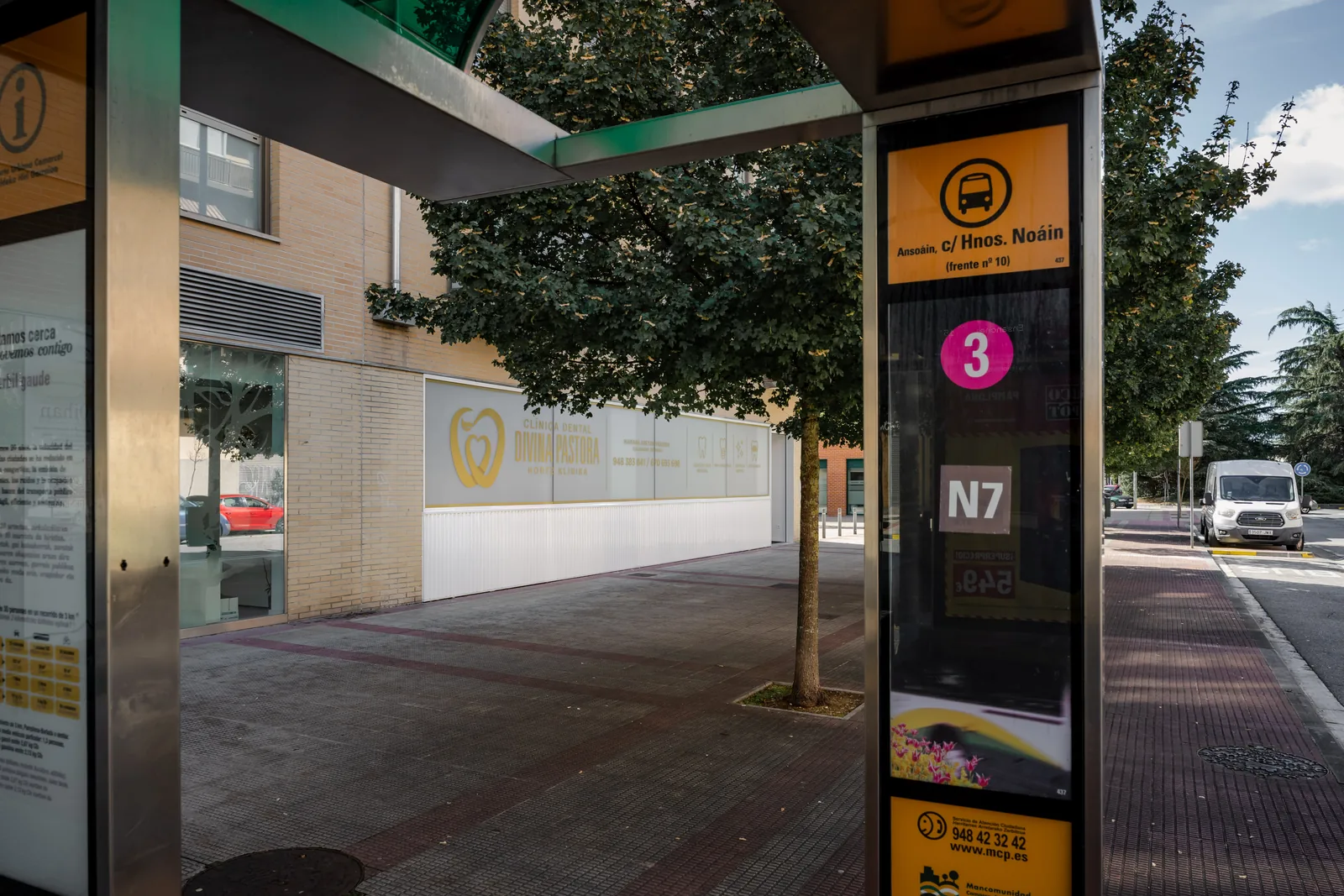
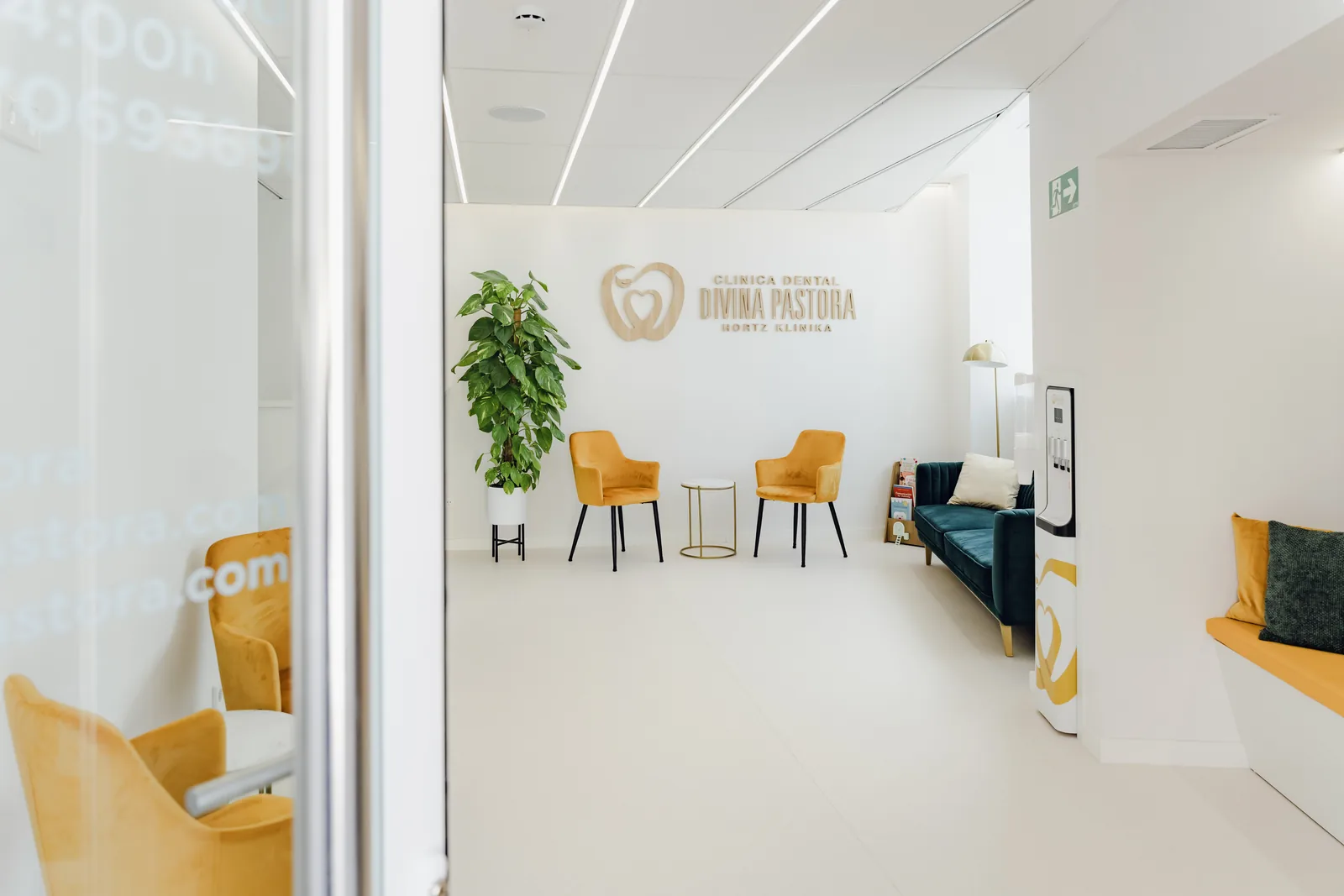
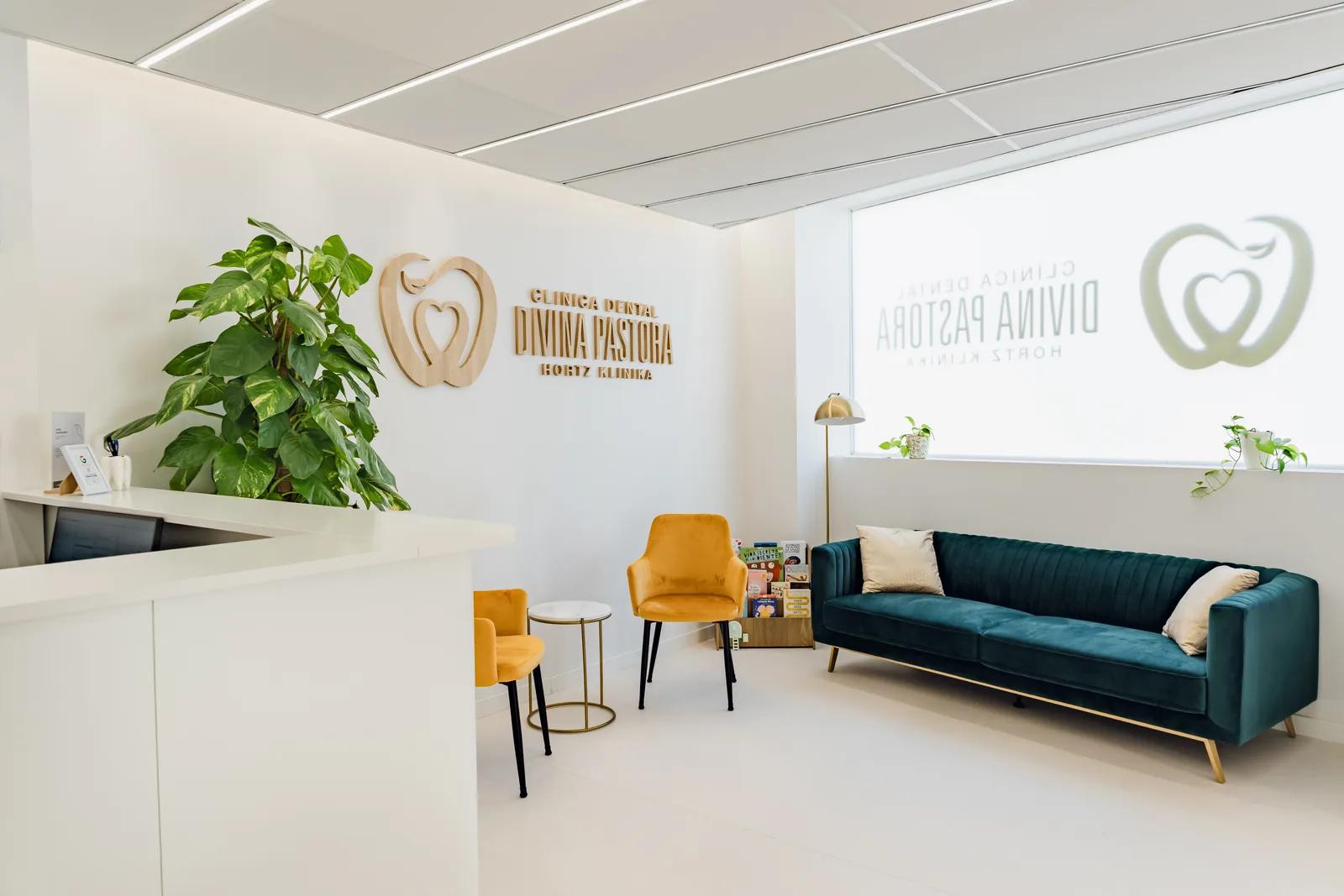
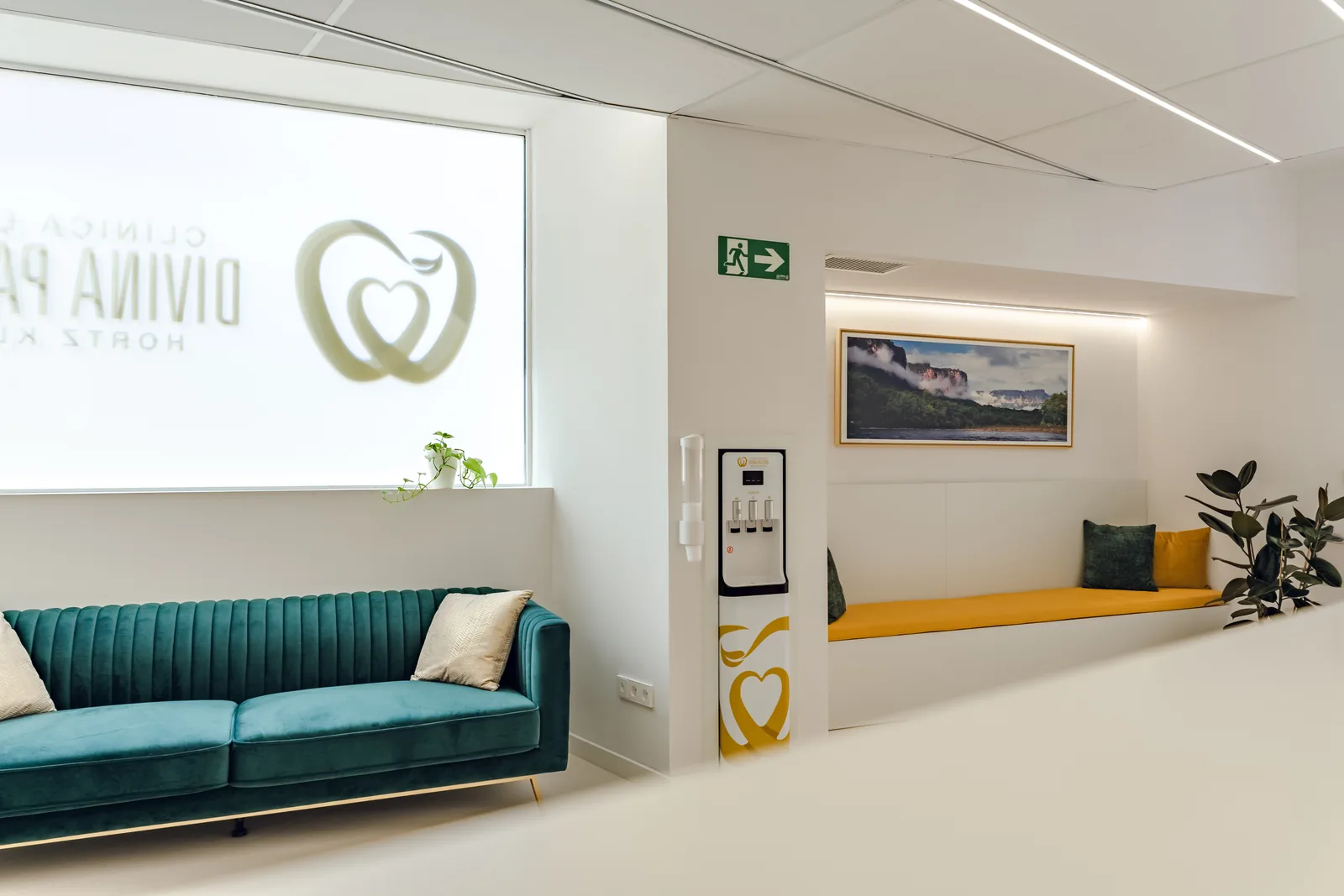
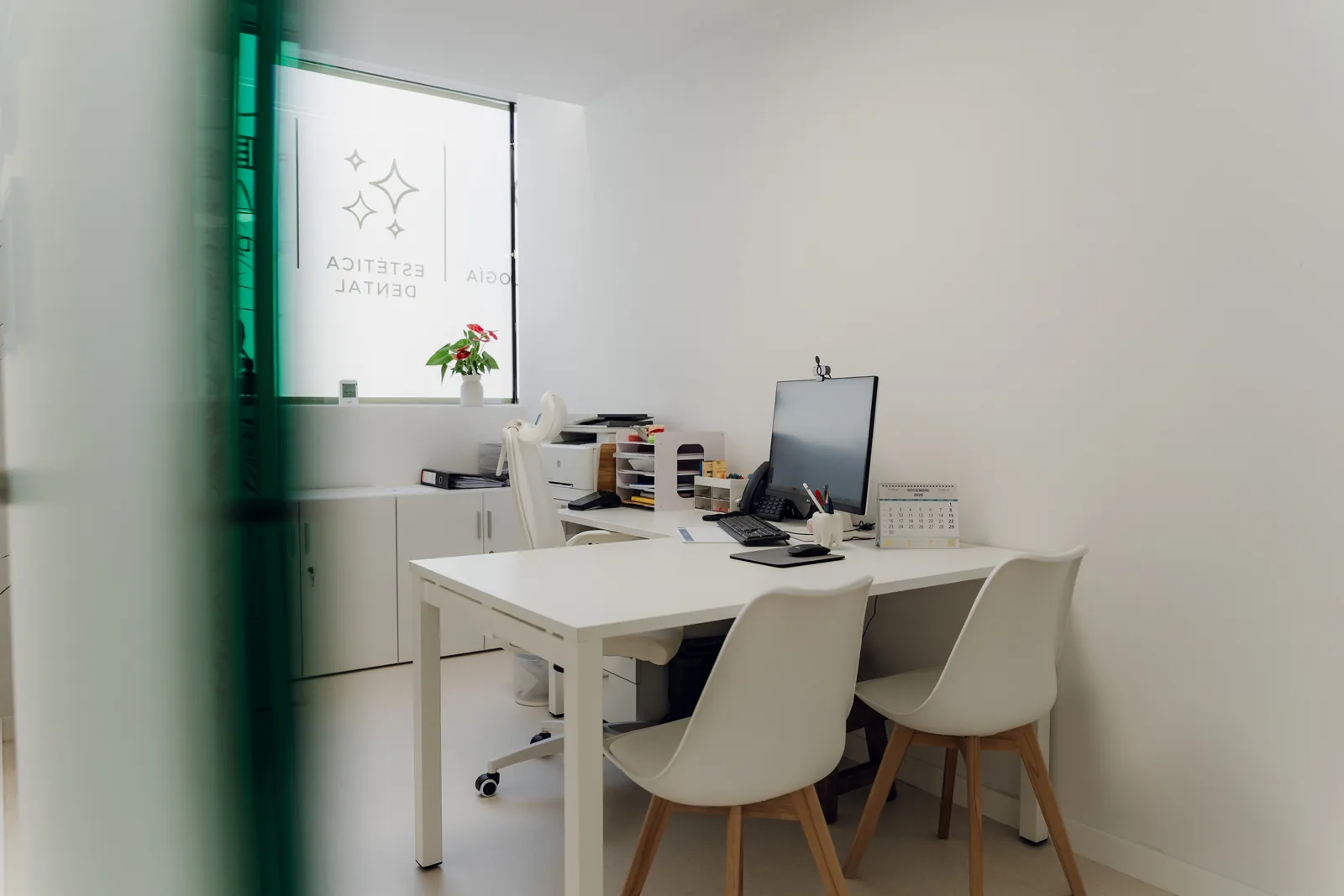
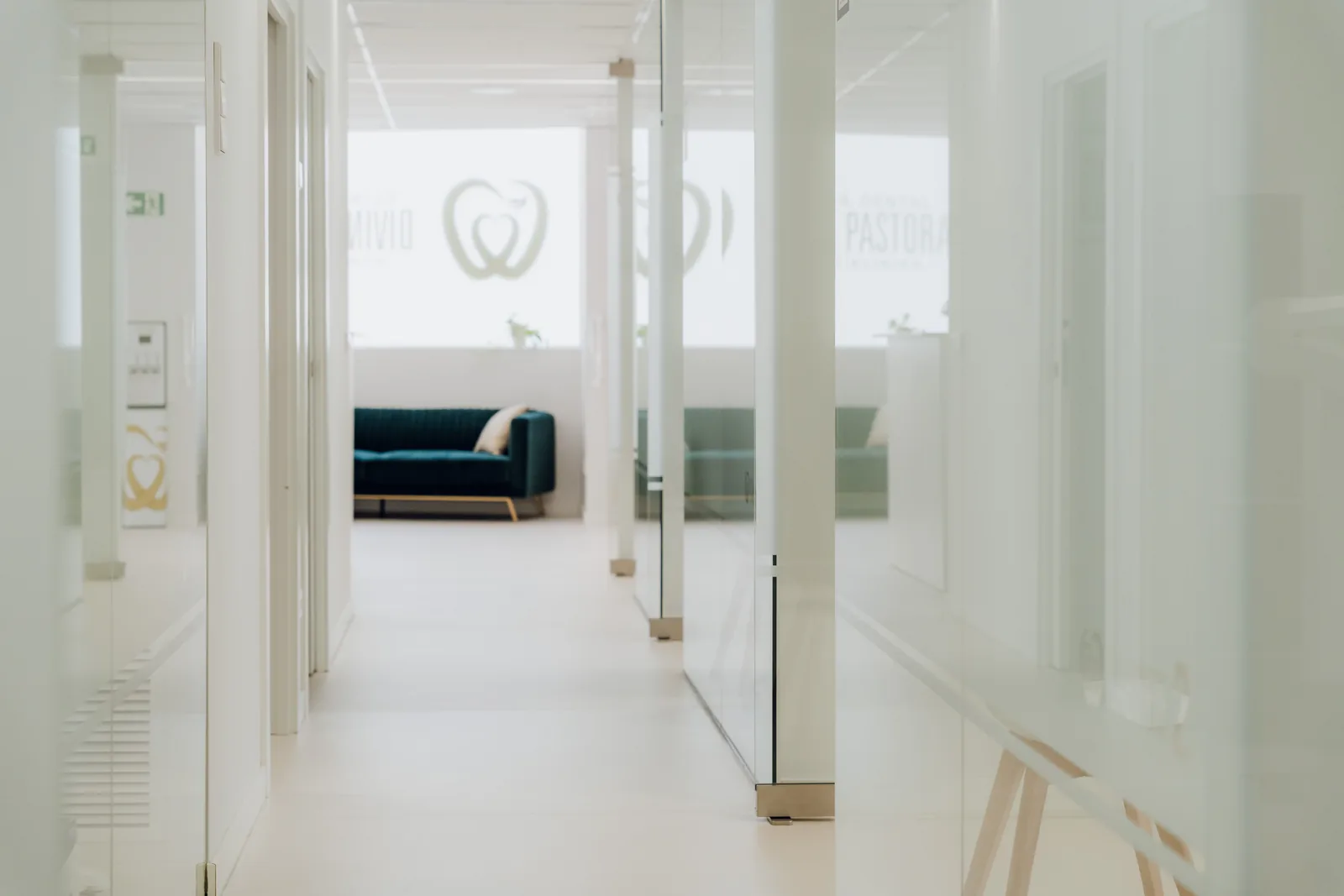
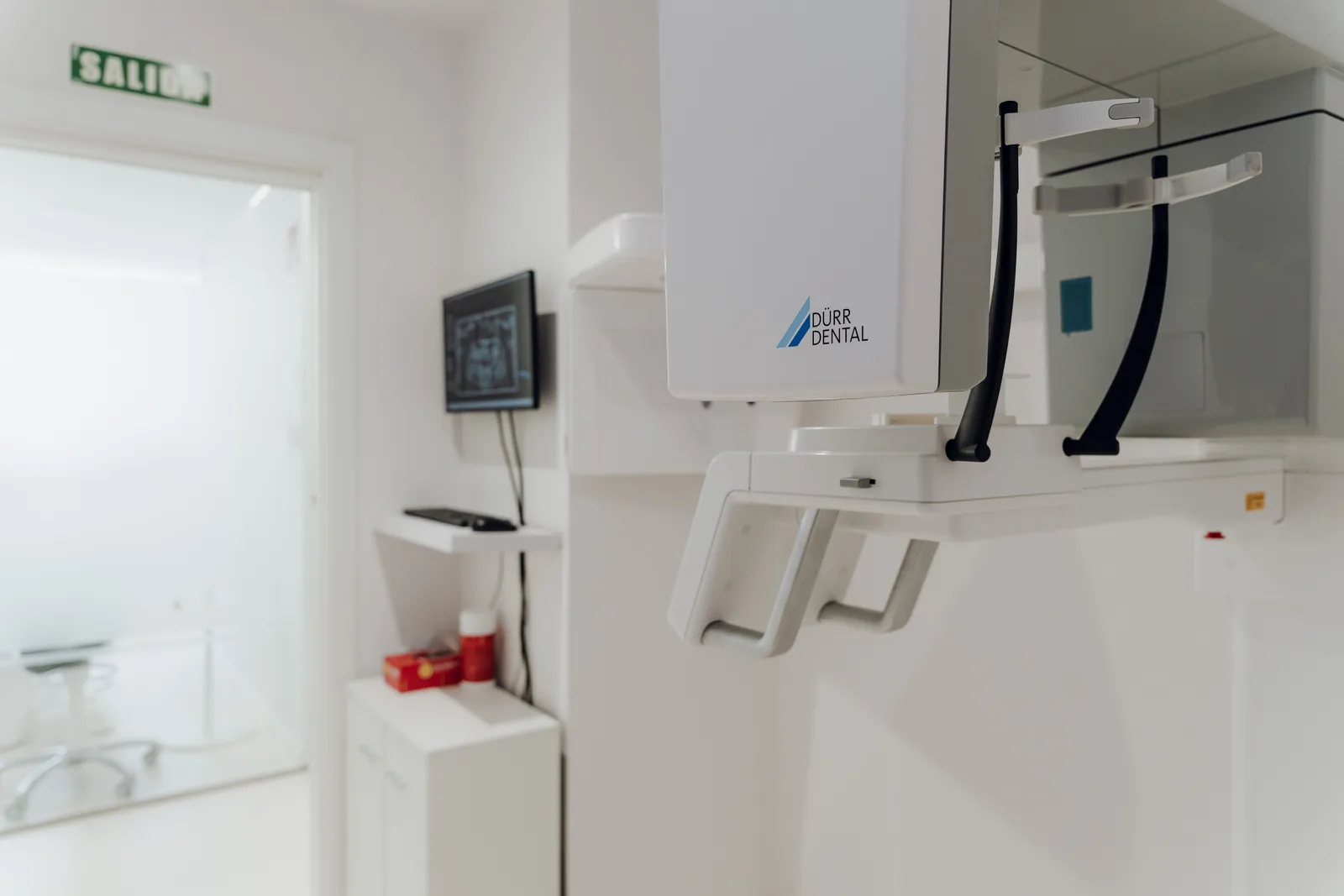
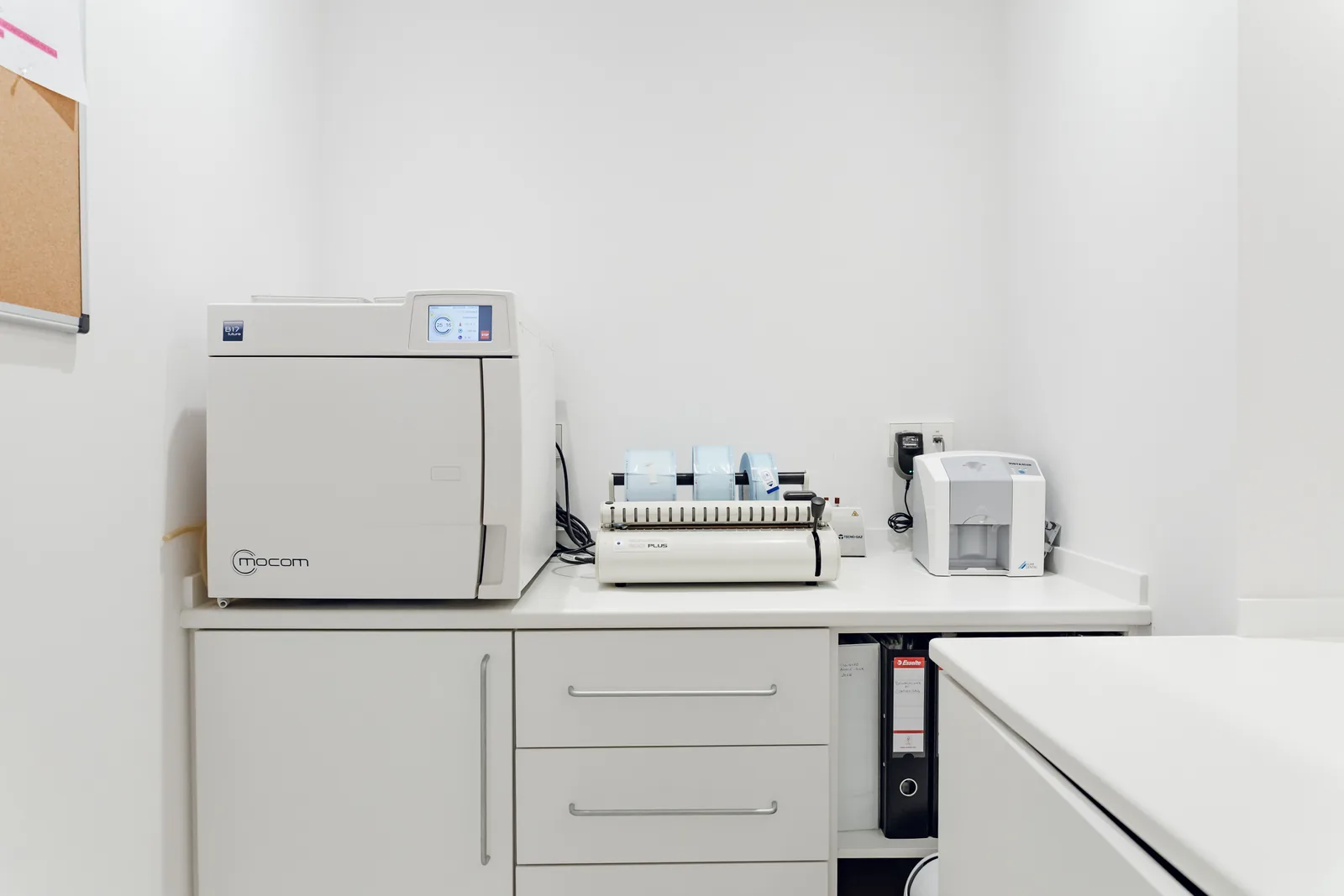
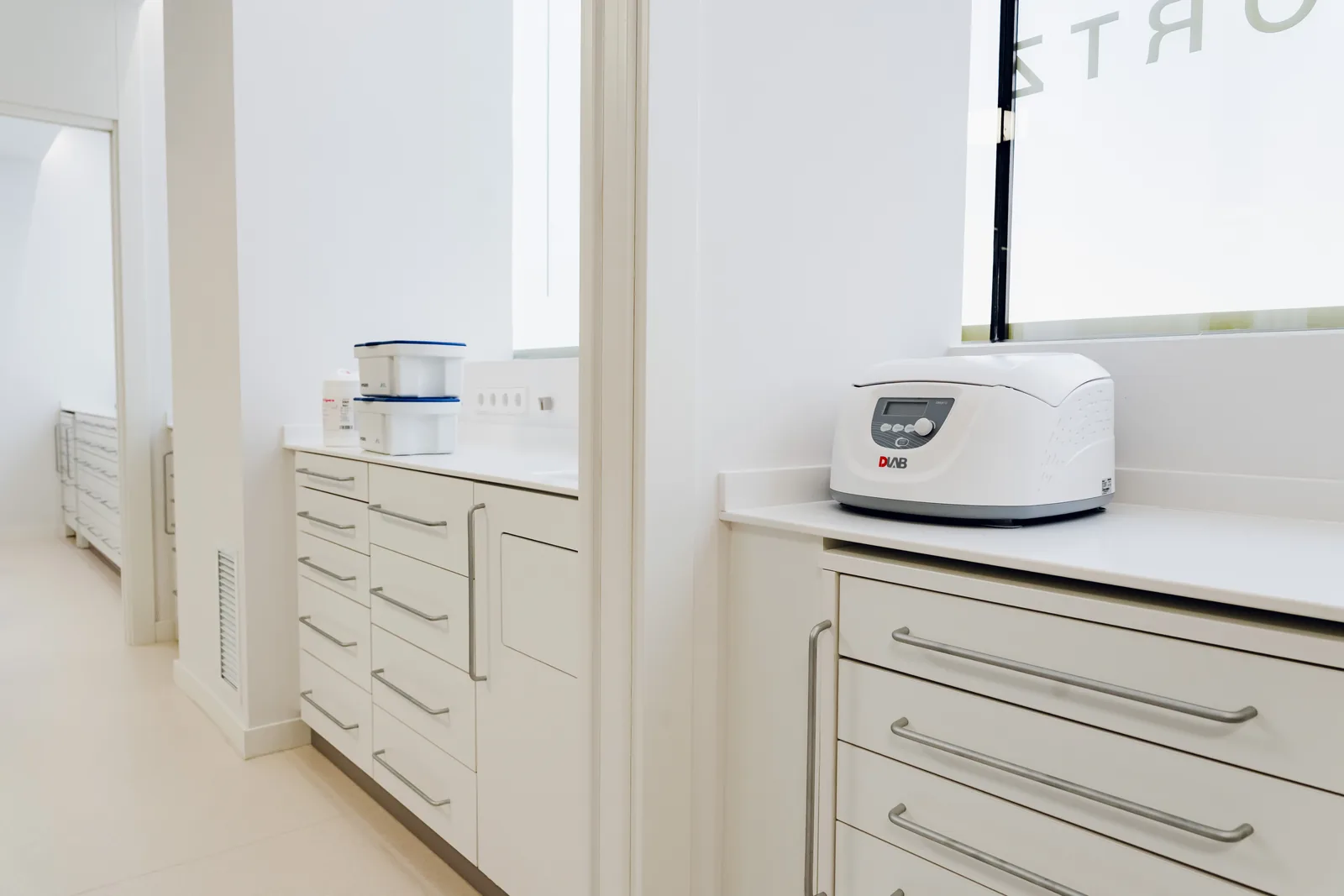
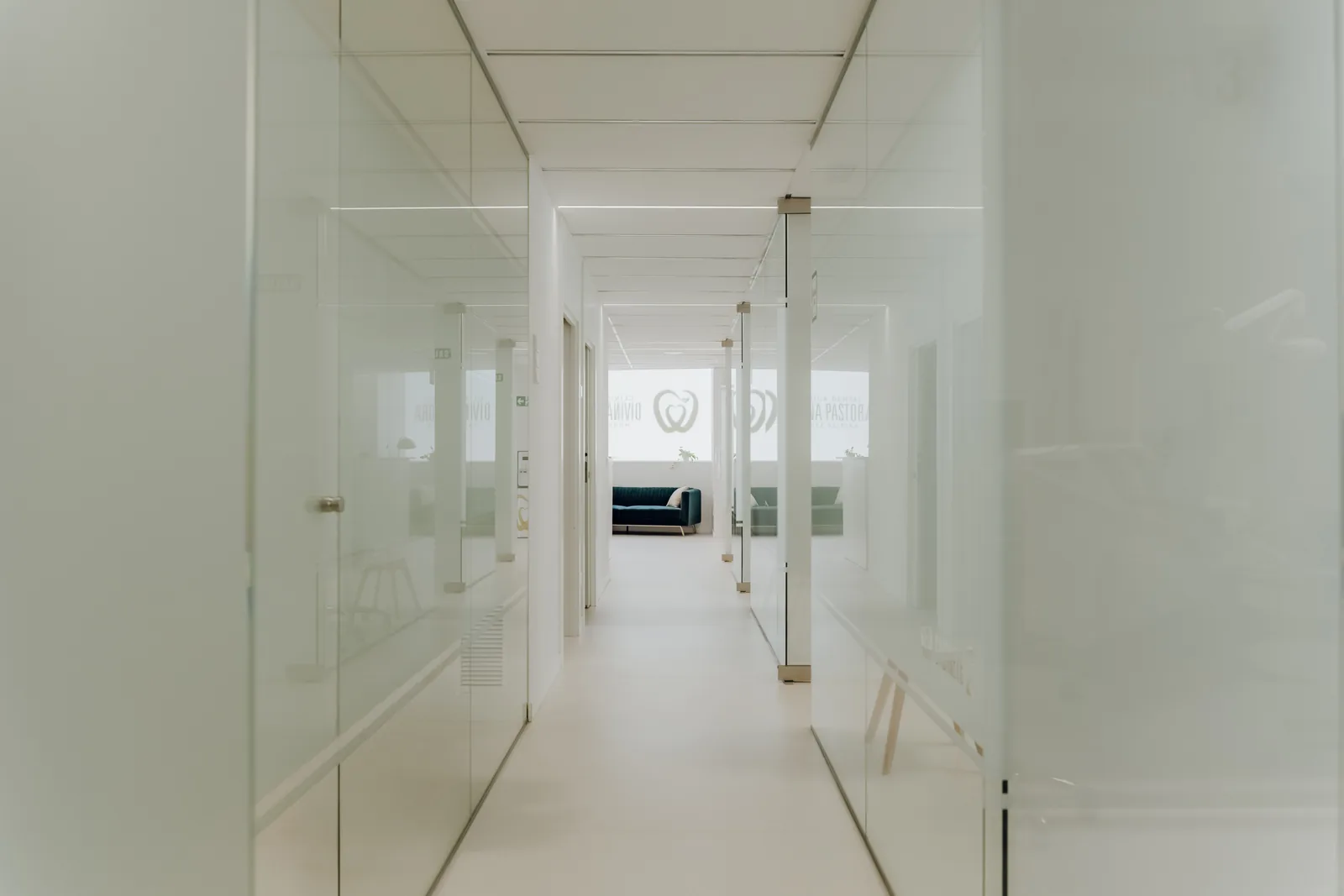
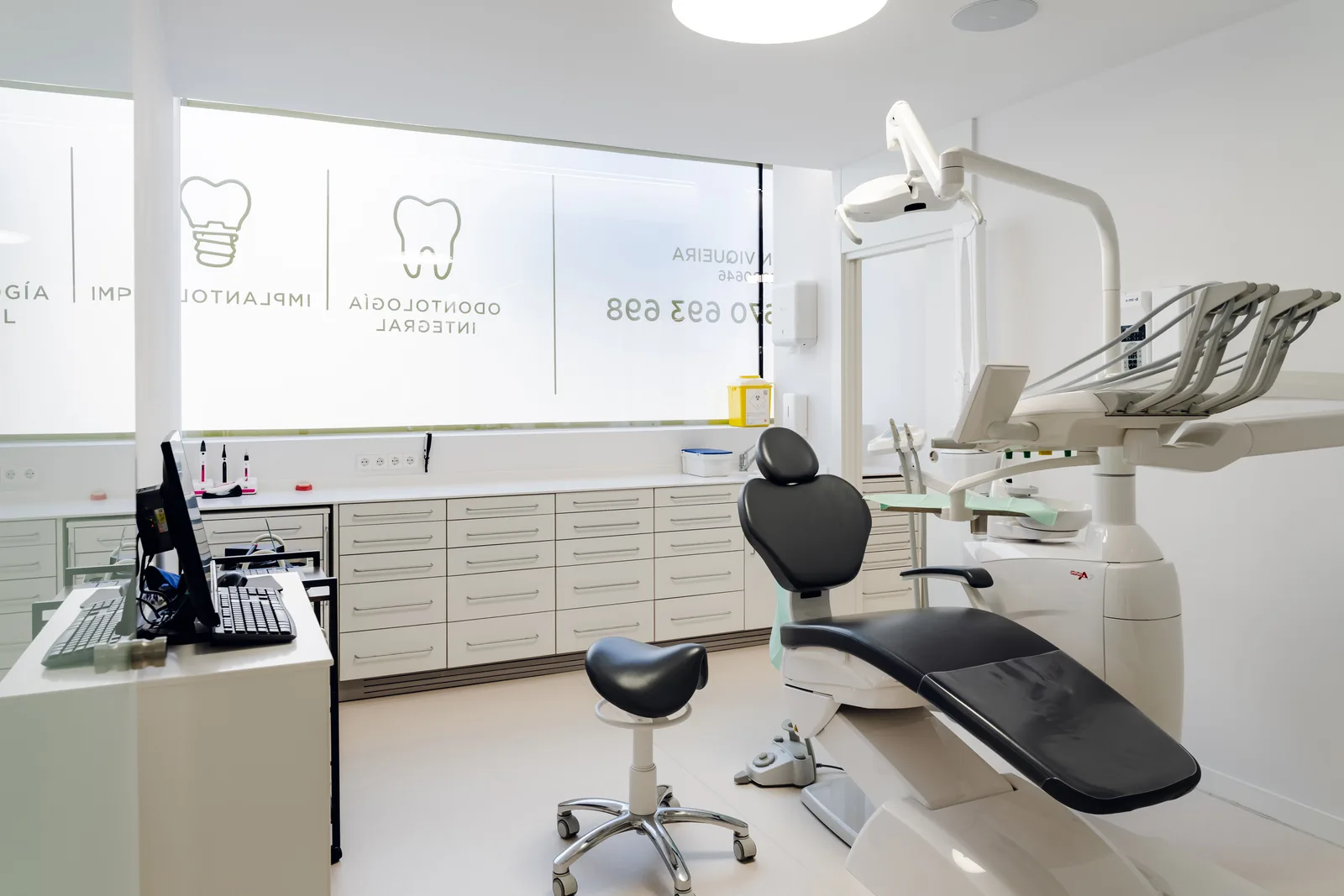
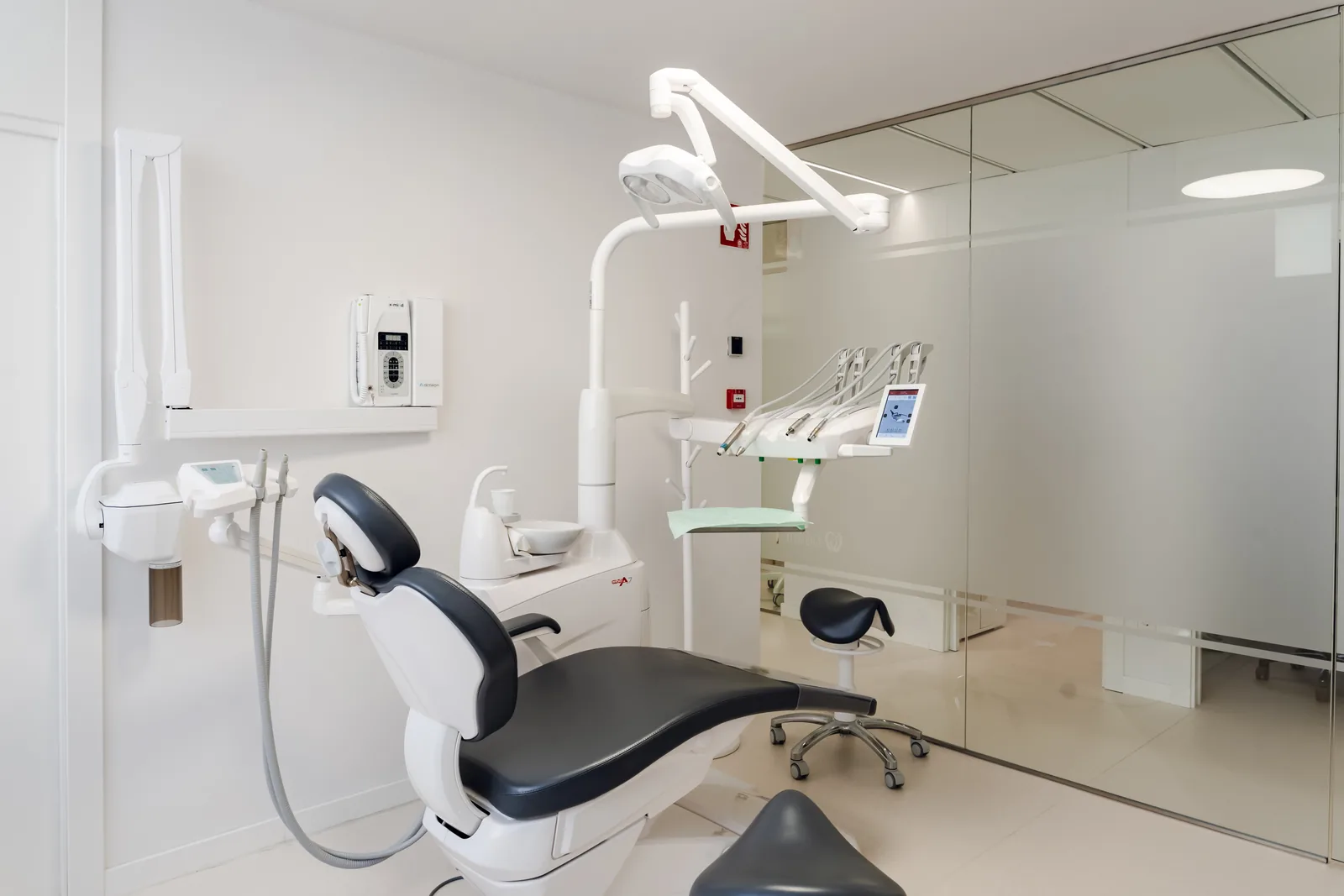
Explore the clinicOur facilities
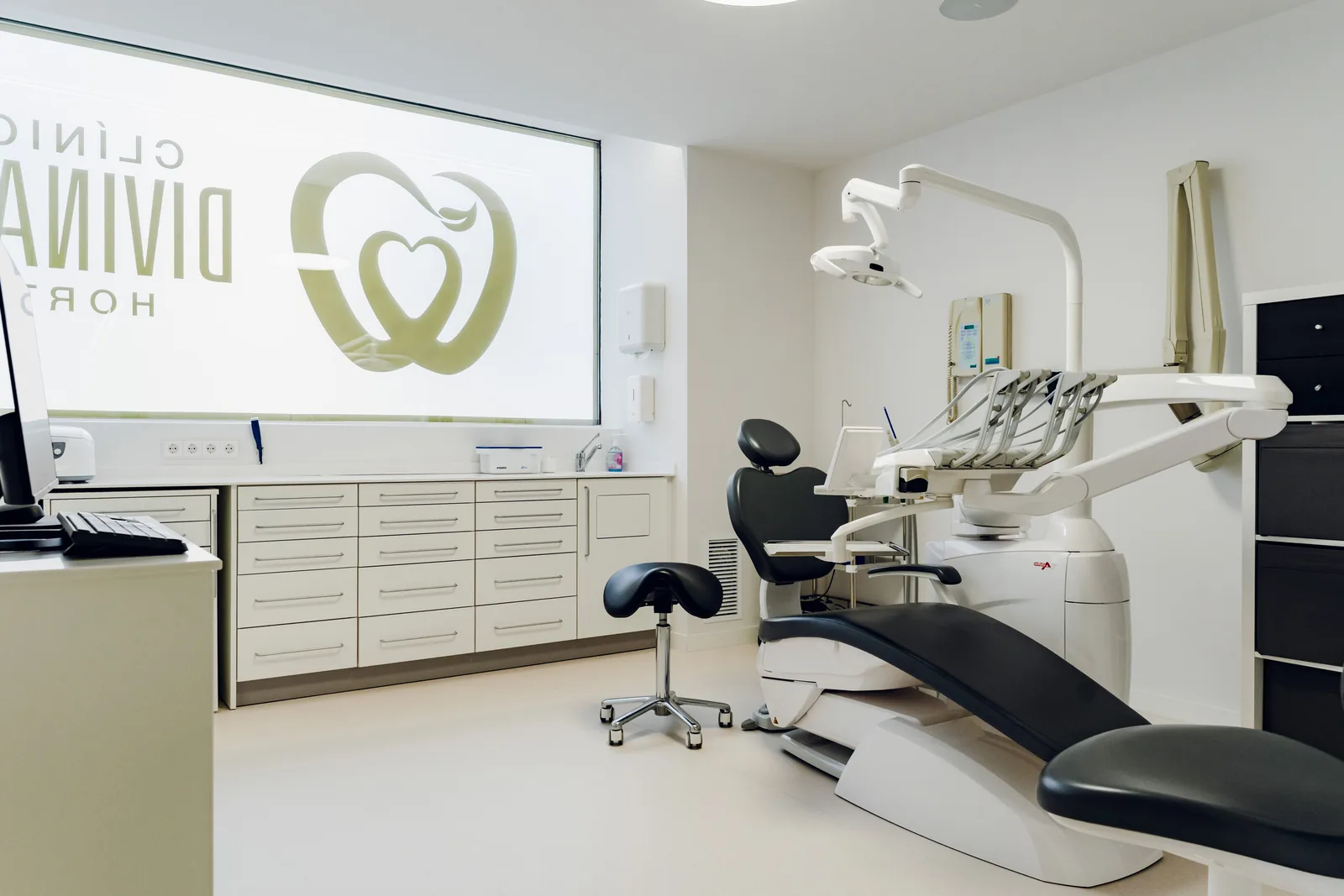
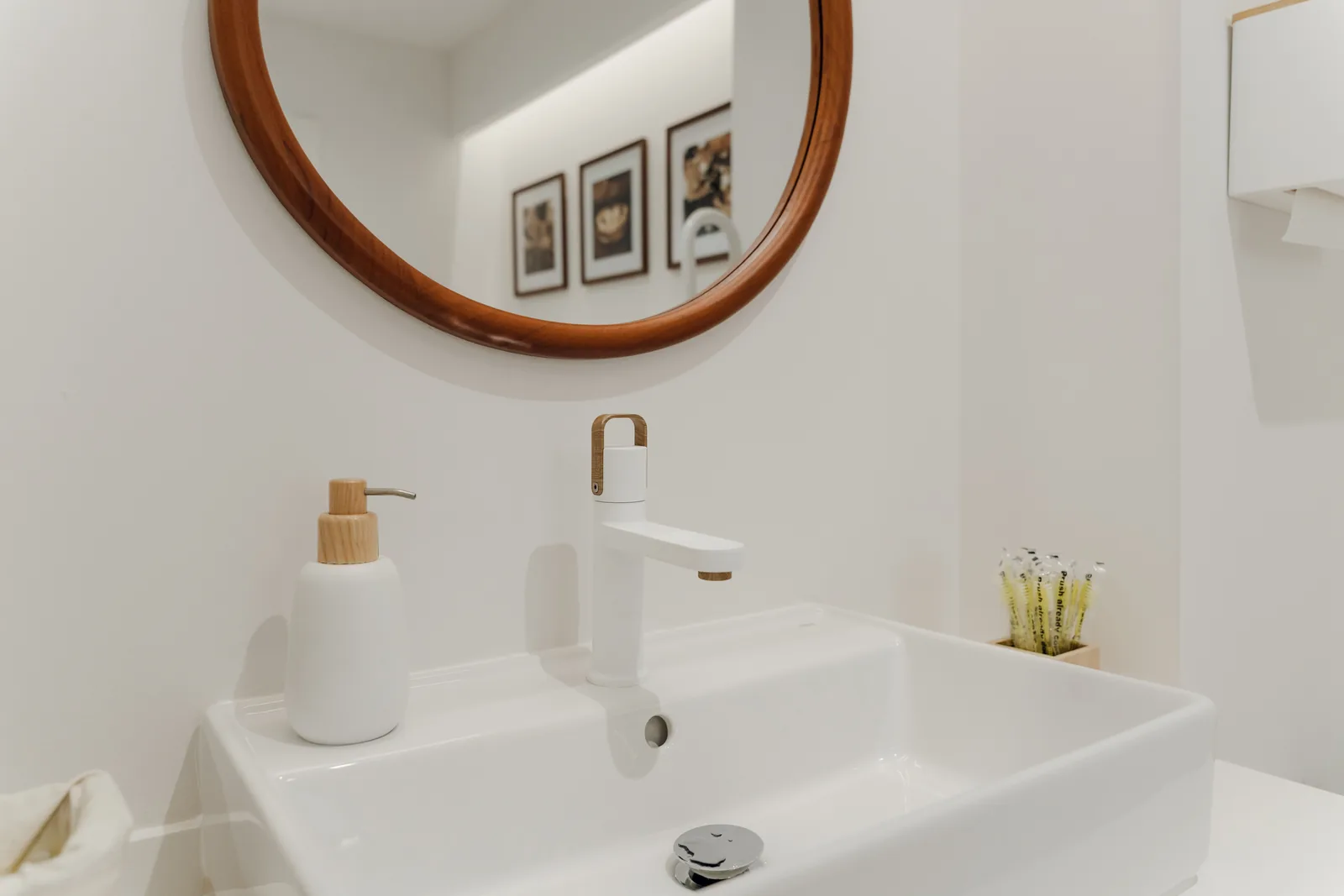
YOUR NEXT STEPYour new smile
Have an emergency? Call us. This form does not provide immediate care.
Your new smile
starts here.
Leave your contact details. We will speak with you to arrange your visit and answer your initial questions.
948 38 38 41 ↗- Monday to Thursday
- 09:00–18:30
- Friday
- 08:00–14:00
- Saturday and Sunday
- Closed