
Children’s dental health: build care before problems begin
A child’s first dental visit does not have to wait for tooth decay or an emergency. It can be an opportunity to examine their mouth, answer questions about cleaning and introduce them to the dental setting. Prevention starts at home, with advice adapted to age, dentition and family needs. Children develop skills at different rates and may need different kinds of support.
This guide covers practical questions about baby teeth, brushing, diet and early appointments. It is for parents and carers who want a manageable approach to daily care. It cannot replace an assessment or determine treatment from a photograph. If your child has pain, swelling, a dental injury or another worrying change, seek advice about that specific situation.
The aim is to help children develop habits while adults continue to support tasks they cannot yet manage effectively alone. Giving a child a role does not mean handing over all responsibility. A simple routine, an age-appropriate explanation and a prepared appointment can make care easier to understand. The approach should respond to the child rather than expect every family to follow an identical routine.
Why baby teeth matter
Baby teeth will eventually be replaced, but they still need care. They support eating and other functions during an important period of development. Decay or infection can cause discomfort and require treatment. The appropriate approach to a baby tooth depends on its condition, the child’s age and the stage of tooth replacement, alongside other clinical findings.
The fact that a tooth will fall out is not, by itself, a reason to leave a problem untreated. Equally, every affected baby tooth does not need the same procedure. Ask what has been found and why a particular option is advised. Understanding the tooth’s current role and condition helps explain a recommendation to preserve it, treat it or consider another approach.
If you are unsure whether a tooth is a baby tooth or a permanent one, ask. Both are present during the years when teeth are being replaced, and confusion is possible. This distinction is particularly important after an injury. A knocked-out baby tooth is managed differently from a knocked-out permanent tooth, so prompt, accurate advice matters.
Arranging an early dental visit
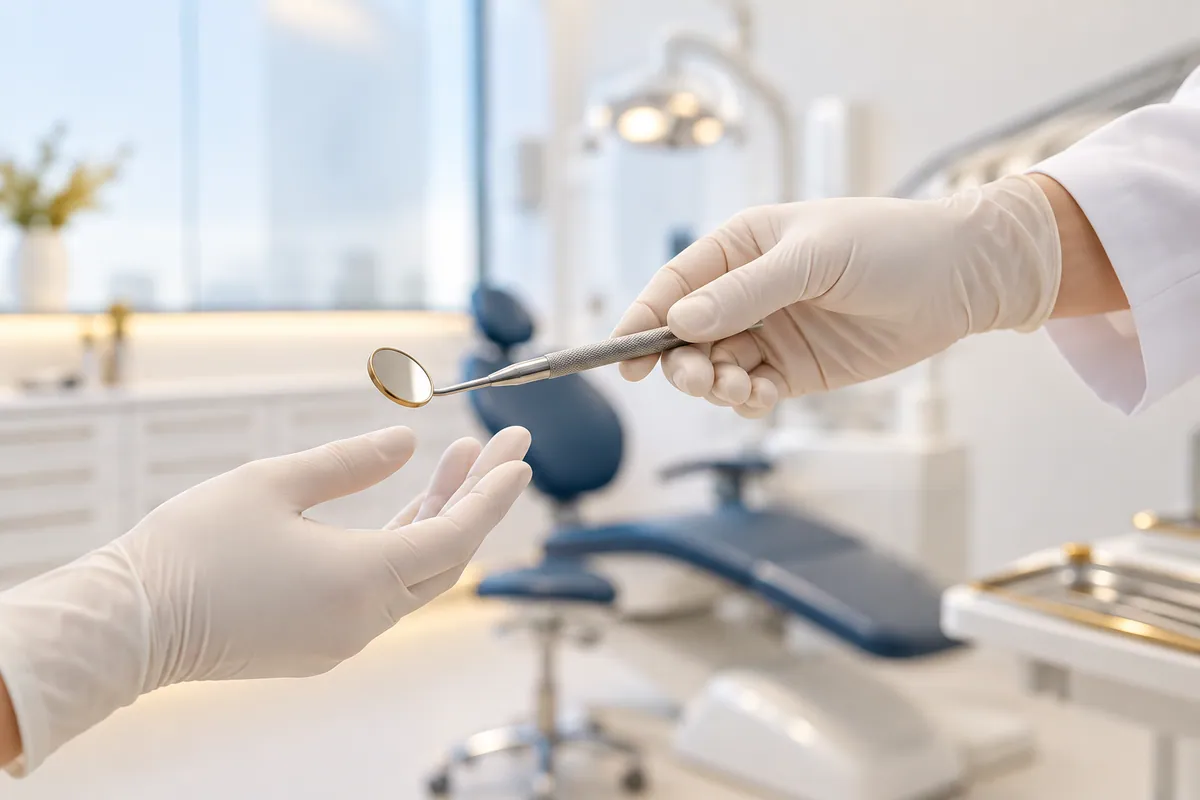
The arrival of the first teeth is an opportunity to establish dental care and ask about cleaning. Early assessment allows families to receive advice before pain becomes the reason for a visit. If your child is older and has not attended before, arrange an appointment and explain your questions. The useful next step is to begin care from the current situation. Children’s dentistry.
A visit may include checking the mouth, discussing cleaning and diet, and seeing how the child responds to the setting. Familiarisation can take time, and not every planned step will necessarily happen at the first appointment. Tell the team what helps your child communicate or feel comfortable. This information can help them explain the visit in an appropriate way.
When booking, confirm that care can be adapted to the child’s age and needs. Mention a medical condition, disability, difficult previous experience or particular sensitivity to sounds and other stimuli. These details can help with planning. The way an appointment is organised should reflect the child and the care required, rather than assume every child will respond in the same way.
Preparing your child with honest explanations
You can explain that the visit is to look at their teeth and learn how to keep them healthy. Use words suited to their age and understanding. Avoid promising that nothing will be done when you do not yet know what is needed, or guaranteeing that they will feel nothing. Honest explanations help build trust while leaving room for questions and uncertainty.
If you have had an unpleasant dental experience, discuss your concern with the team separately if possible. Your child does not need to expect the same experience. Avoid using a dental visit as a threat for not brushing, which can associate care with punishment. Present it as part of looking after health, where they can ask questions and express worries.
Have medical and medication information ready, and consider which appointment time may suit your child within the clinic’s availability. Explain any communication support they need before attending. Preparation is about helping the team understand the person they will be seeing. You do not need to rehearse perfect behaviour or make a child’s willingness to cooperate a condition of receiving care.
Cleaning from the first teeth
Teeth need cleaning as they appear. The fluoride toothpaste and amount used should be appropriate to the child’s age and professional advice. Ask about the suitable fluoride concentration and request a demonstration of the amount. A phrase such as “a little toothpaste” can mean different things to different people, so a clear practical explanation is helpful.
Adults need to help and supervise while children are developing the skills to clean effectively. Wanting to brush independently is a positive opportunity to participate, but it does not show that every surface is being reached. Following the advice you receive, you may let your child start and then complete the cleaning. Independence can develop gradually while the quality of care is maintained.
If your child resists brushing, explain what seems difficult: taste, texture, position, tiredness or sensitivity. Different obstacles may need different adjustments. A dental appointment can help you discuss technique and suitable materials. A routine that accommodates the child’s needs and includes adult support is more practical than repeating an approach that consistently causes distress without exploring why.
Making brushing part of family life
Predictable times can help brushing become an ordinary part of the day. Connect it with familiar activities and keep supplies ready for the supervising adult. A clear sequence may help the child understand what happens next and which part they can do. You do not need to introduce a complicated system if a simple, repeatable routine works for your family.
Where several adults care for the child, share the agreed instructions. Clarify which toothpaste is used, who helps and how cleaning is completed. Different households or care arrangements can make consistency harder, but a brief shared note may help. The purpose is continuity for the child and a common understanding of the advice, rather than judging another carer’s approach.
When a routine is difficult, discuss one specific adjustment instead of changing everything at once. A different position, an earlier time or a professional demonstration may be useful. Resistance can reflect an uncomfortable sensation or an unfamiliar sequence. Describing the problem without assuming bad behaviour helps the team suggest support that addresses the actual difficulty.
Diet: consider frequency and everyday patterns
Frequent sugar exposure is relevant to decay risk. It helps to discuss when and how often sugary foods and drinks are consumed, as well as the products themselves. Snacks and drinks spread through a day can be easy to overlook. Describing an ordinary day gives the clinician practical information for advice suited to your child’s routine.
Explain meals and snacks at home, school and with other carers. The aim is to identify realistic changes within the family’s circumstances. If your child has particular nutritional or medical needs, advice should take those into account and, where needed, be coordinated with the professionals responsible. General dental information should not replace a prescribed nutrition or medical plan.
Ask about relevant habits such as bottles, drinks at night or products consumed repeatedly over the day. Advice should reflect age and context. Do not change an established medical or nutritional instruction independently because of a general article. If recommendations appear to conflict, raise the question so the professionals involved can help you understand how they fit together.
Reviews, fluoride and fissure sealants: individual prevention
Review intervals depend on the child’s needs. Decay risk and the stage of tooth development vary, so the same schedule is not necessarily appropriate for everyone. Appointments can review hygiene, identify early changes and consider preventive measures. Ask what is recommended for your child now, why it is useful and when its need or effect will be reassessed.
Fissure sealants may be used on selected teeth to protect grooved surfaces. Their purpose and follow-up should be explained. They do not replace brushing or guarantee that the tooth can never develop a problem. Ask which teeth are being considered, why those surfaces may benefit and how the condition of the sealant will be checked at later visits.
Fluoride has a role in prevention, with the product and instructions selected appropriately. Do not add high-strength products or supplements without professional advice. Bring the names or labels of products already used if you are unsure about combining them. This allows the clinician to review the complete routine and give clear instructions about what is appropriate to continue.
What to do if you suspect tooth decay
A mark, a visible hole, food trapping or discomfort may justify a review, although none establishes the diagnosis alone. Do not probe the area with objects or expect a young child to identify the exact source of pain. They may show discomfort through a change in eating or avoiding one side. Explain these observations so the examination can be adapted to them.
Ask what the clinician has found and which options are reasonable. Treatment depends on the depth of the problem, the tooth and the stage of development. Being a baby tooth is only one consideration. Clarify the treatment aim, any stages involved and the care needed afterwards. Preventing further problems should form part of the discussion alongside treating the current one.
Seek prompt advice for significant pain, swelling or fever. Difficulty breathing or swallowing requires urgent attention; call 112 in an emergency. Do not use leftover antibiotics or another family member’s medication. Medicines for a child need instructions appropriate to their circumstances from a professional with the information needed to advise safely. Tell the team what, if anything, has already been given.
Dental injuries: baby teeth and permanent teeth
An injury can affect the tooth and surrounding tissues. Contact a dental service promptly if a tooth breaks, moves or is knocked out. Explain what happened and whether you know if the tooth is a baby or permanent tooth. A significant head injury, loss of consciousness or other general warning signs needs medical attention as a priority.
A knocked-out baby tooth should not be replanted. A knocked-out permanent tooth needs urgent dental care and careful handling, avoiding the root. If you are unsure what to do, obtain immediate professional instructions rather than improvising. Reading a general emergency guide should not delay that contact, particularly when the type of tooth or the extent of injury is uncertain.
Improvement after an injury does not necessarily remove the need for follow-up. Ask what changes to watch for and when to return, and keep the information from the initial assessment. Avoid repeatedly testing whether the tooth moves or forcing it to check its position. Report what you notice during normal activities and allow a professional examination to assess the change.
Anxiety, cooperation and individual needs
A child may be worried without any previous bad dental experience. The setting includes unfamiliar people, sounds and positions. Tell the team how your child expresses fear and what helps them communicate. Comparisons with siblings are rarely useful for planning their care. Responses can change with age and familiarity, and the appointment should take account of the child as an individual.
Ask how the visit will be organised and how the accompanying adult can help. Specific approaches depend on the child and the proposed care. Do not assume that sedation or another particular technique is available or indicated because you have heard of it elsewhere. If the child’s needs require a different setting, an appropriate referral can be part of providing suitable care.
Recognise small steps, such as asking a question or allowing part of an examination, without turning the appointment into a test of bravery. Information about what helped or was difficult can guide the next visit. This is particularly valuable where there are communication, sensory or medical needs that require consistency and planning between appointments and carers.
Questions parents and carers often ask
Does decay in a baby tooth need treatment?
That depends on the tooth’s condition, the extent of the problem and the child’s development. The fact that it will eventually be replaced does not automatically remove the need for care. Ask about the purpose of treatment and the alternatives. Baby teeth are assessed individually, so another child’s experience may not predict the recommendation for your child.
When can a child brush without help?
It depends on their practical skills and whether all the necessary surfaces are being cleaned. Adult help and supervision remain important while those skills develop. Ask how to assess the technique and which parts an adult should complete. Knowing the brushing sequence or wanting independence does not necessarily mean the child can clean the whole mouth effectively yet.
Do fissure sealants replace brushing?
No. They protect selected surfaces and need review, while cleaning and other preventive care continue. Ask which areas they cover and what their limitations are. This helps avoid assuming that the entire tooth or mouth no longer needs attention. The clinician can explain why a sealant is recommended for a particular tooth or why it is not currently needed.
What if my child does not want to open their mouth?
Tell the clinic before the visit and describe what your child finds difficult. The team can consider how to adapt the appointment and communication. Avoid promises about procedures you cannot yet know, and do not use the visit as a threat. Preparation supports trust and understanding; it does not guarantee that every examination step will be possible immediately.
Should I put my child’s medical history in the website form?
The general form is intended for contact details and arranging a visit, rather than medical records or clinical images. Ask the clinic which channel to use for sensitive information. When requesting an appointment for a child, use the responsible adult’s contact details and agree how to share any care requirements. This keeps the initial request focused on organising appropriate contact.
Preparing a children’s dental appointment in Pamplona
Before calling, note the child’s age, the reason for the visit and whether there is pain, an injury or a particular support need. Have relevant health and medication information available to share through the channel the clinic advises. You do not need every answer in advance. The first conversation can help establish what to bring and how the assessment should be arranged.
Read our paediatric dentistry page and contact Dental Divina Pastora at Calle Loza, 4, Pamplona to arrange a visit. Confirm availability and the care appropriate to your child’s circumstances with the team. An online request is not a confirmed appointment or an immediate emergency response. If the problem is acute, explain the situation by telephone and seek care according to its urgency.
The aim is for your family to understand your child’s dental needs and have a realistic plan for home care and review. Supported routines, individual advice and clear communication help maintain continuity as children grow. Keep a short record of agreed instructions and questions for the next appointment, particularly if several carers share responsibility. Care can then develop with the child’s skills and changing teeth.