Dental emergencies: recognise when you need immediate help
Difficulty breathing or swallowing, major swelling affecting the face or neck, uncontrolled bleeding or severe trauma needs urgent attention. Call 112 in an emergency. Do not wait for a reply to a website form or finish reading an article before getting help. Recognising serious signs and obtaining appropriate care takes priority over identifying the precise dental cause yourself.
Other problems, including severe toothache, a knocked-out permanent tooth, a fracture or a possible infection, also need prompt dental advice. The appropriate service and timing depend on what has happened. Calling and describing the symptoms helps the team advise on the next step. An ordinary appointment request should not be treated as a channel for an immediate clinical response.
This guide explains what to report, general precautions and actions to avoid. It cannot diagnose pain or replace advice from a professional assessing your circumstances. Dental Divina Pastora provides care during its opening hours and according to availability; it does not advertise a round-the-clock emergency service. Telephone first to check whether the clinic can see you and what action is appropriate.
What to say when you call
Start with the main problem: pain, swelling, an injury, bleeding or a broken tooth. Explain when it began and whether it is getting worse. Mention fever, difficulty swallowing or breathing, or a significant injury straight away. These details help establish the urgency. They should not be left until the end of a conversation concerned only with finding an appointment time.
Say whether the patient is an adult or a child, and mention relevant medical conditions, medication or allergies. You do not need to submit a full clinical history through a general website form. The team can explain which details are needed and how to provide them. Have information ready where possible, but do not delay an urgent call while searching for documents.
If symptoms follow recent treatment, explain the procedure, when it took place and any instructions you received. Contacting the treating team can help with continuity. However, serious signs should not wait for that particular team to become available. Urgency and available services determine where to seek help, and telephone advice may still need to be followed by an examination.
Toothache: pain alone cannot identify the cause
Pain can arise from different problems involving teeth, gums or surrounding tissues. Its severity and duration provide useful information but cannot determine whether a filling, root canal treatment, extraction or another approach is needed. An examination and appropriate tests guide that decision. Describe the problem without feeling that you must choose the treatment before speaking to a professional.
Explain whether pain occurs with biting, hot or cold temperatures, or without an obvious trigger, and whether it is constant or comes in episodes. If you cannot identify the tooth, say so. The sensation does not always locate the cause precisely. Avoid repeatedly provoking pain or probing a sensitive area. Observations from normal activities provide a useful starting point.
Temporary relief does not establish that the cause has resolved. If an assessment was advised, keep the appointment or ask how to proceed. Pain relief also does not replace dental treatment when needed. Follow medicine instructions appropriate to you and seek professional advice if unsure, particularly for children, during pregnancy or when other conditions or medicines may affect what is suitable.
Swelling and a possible dental infection
Swelling in the gum or face, pain, an unpleasant taste or fever may accompany infection, but the cause needs assessment. Contact a professional promptly. Increasing swelling, particularly when breathing or swallowing is affected, needs urgent care. Do not wait for a lump to develop further or attempt to drain it yourself. Report how quickly the symptoms have changed.
Do not squeeze, puncture or cut a swollen area, or place irritating substances on the gum to try to relieve it. These actions can cause injury without treating the underlying problem appropriately. Explain when swelling appeared, how it has progressed and whether you feel generally unwell. Its course and associated symptoms matter alongside its visible size.
Antibiotics do not replace treatment of a dental cause where that is required. A professional must decide whether they are appropriate for the individual situation. Do not use leftovers or share medication. If symptoms worsen despite prescribed treatment, seek reassessment. Starting medication is not a reason to wait until the course finishes before reporting significant deterioration or new warning signs.
A permanent tooth knocked out by an injury
A permanent tooth that has come out completely needs urgent dental care. If you find it, hold it by the crown, the part normally visible in the mouth, and avoid touching the root. Do not scrub it, disinfect it with household products or allow it to dry out. Contact a dental service immediately for instructions and prompt assessment. Dental emergencies.
In suitable circumstances a permanent tooth may be gently replaced in its socket, but it must not be forced and should not be attempted if unsafe or if you are unsure how to proceed. If it is not replaced, milk is an option for keeping it moist during transport while obtaining care. A young child should not carry it inside their mouth because it could be swallowed or inhaled. Get professional help without delay.
If you are uncertain whether the tooth is permanent, tell the professional and ask for immediate advice. The injury may also affect lips, gums, bone or the head. Loss of consciousness, breathing difficulty or other serious signs requires medical attention as a priority. Recovering or caring for a tooth must not delay assessment of a potentially serious injury.
A broken, cracked or displaced tooth
A fracture may involve a small chip or more extensive damage. Its appearance alone does not reveal the depth or whether internal tissues are affected. Arrange assessment, especially if there is pain, looseness or a change in position. Do not test the tooth by biting hard or repeatedly moving it, and do not try to force a displaced tooth back yourself.
If you recover a fragment, keep it and ask how to transport it to the appointment. Do not attach it with household glue. Explain when and how the injury happened and whether the tooth already had a restoration. These details help with assessment. Whether the fragment can be used or the tooth repaired depends on the findings and cannot be guaranteed from a photograph.
Ask whether follow-up is needed even if discomfort is mild. Some changes after an injury need monitoring over time. Keep the initial instructions and attend the recommended reviews. Early improvement can be encouraging, but it does not replace a follow-up plan where the clinician needs to assess healing or other changes in the tooth and surrounding tissues.
Bleeding after an extraction or another procedure
Follow the aftercare instructions provided and contact the treating team about questions or changes. Bleeding needs to be considered in relation to the procedure and its progress. Avoid repeatedly disturbing the area to inspect it or following advice that contradicts your own instructions. Keeping the written guidance accessible can help you respond more clearly if you become concerned.
Seek attention if bleeding is heavy or does not settle with the measures you have been advised to use. Significant dizziness, weakness or a situation that appears serious calls for urgent help. Mention relevant medication, but do not stop it yourself. Changes to prescribed treatment require advice from a professional who understands the condition, the medicine and the circumstances.
After any procedure, ask whom to contact between planned reviews and which symptoms warrant advice. This makes it easier to respond if a problem arises. Recommendations given to someone else may relate to a different operation or health history. They should not replace the instructions of the team that knows what treatment you have received and what aftercare was intended.
A lost filling, crown or veneer
A lost restoration needs assessment of the tooth and a decision about protection or repair. It does not automatically mean extraction is necessary, and it cannot be assumed that simply reattaching the restoration is sufficient. The remaining structure, margins and surrounding tissues need consideration. Report any pain, sensitivity or sharp edge when you contact the clinic.
Keep a detached restoration if you have it and bring it to the appointment. Do not use household adhesives or alter it with tools. Avoid repeatedly putting a loose restoration back into your mouth, where it could be lost or swallowed. Ask the clinic which precautions are appropriate while waiting for assessment, according to the tooth and the circumstances.
If the restoration was temporary and treatment is ongoing, explain which stage you have reached. The assessment may need to be coordinated with the existing plan. Do not wait silently for an appointment many days away if you are unsure how to care for the tooth. A call allows the team to advise whether an earlier review or specific precautions are needed.
Problems with braces, aligners or dentures
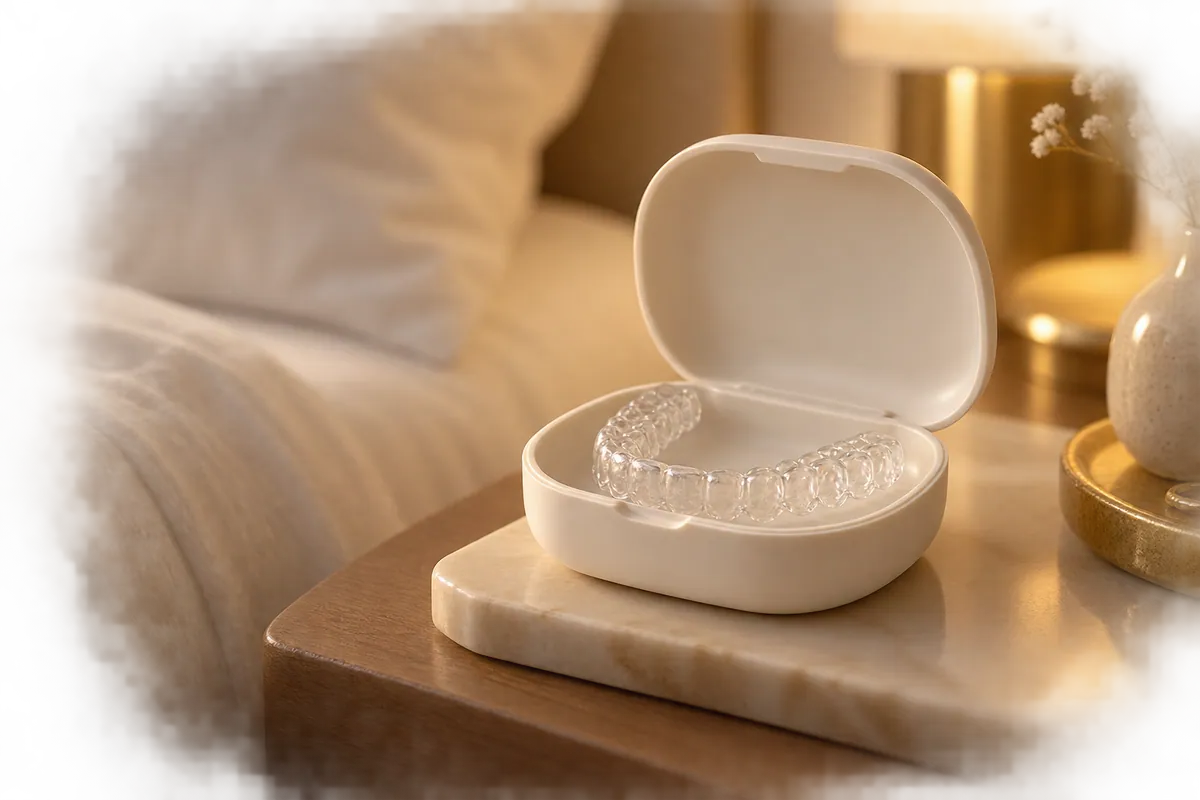
A loose orthodontic component, broken aligner or damaged denture needs advice. The urgency varies, so explain what has happened and whether you have pain or an injured area. The treating team can advise what to do before an appointment. Do not skip several aligner stages or change your wearing sequence yourself to make up for a lost appliance.
Do not cut, bend or modify appliances without appropriate instructions. An improvised adjustment can affect their function or create a sharp edge. Keep any detached component and ask whether to bring it in. Describe whether you can eat, close your mouth or wear the appliance as before. Changes in function provide useful information when deciding how promptly it should be assessed.
Persistent rubbing from a removable denture should be reviewed rather than treated by filing the material yourself. An appointment allows the clinician to identify the cause and decide on an adjustment. Do not repair a broken denture with household adhesive. Keep its components and explain what happened so a professional can assess the available repair or replacement options.
Actions to avoid while arranging care
Do not place aspirin or other medicines directly on a tooth or gum, puncture swelling, use household glue or attempt to remove a tooth yourself. These actions can add injury and complicate care. If you are unsure what relief is appropriate while arranging an assessment, ask a healthcare professional instead of trying several remedies in combination.
Do not share antibiotics or repeat an old prescription because two episodes seem similar. Their causes may differ. Avoid increasing painkiller doses to postpone an assessment. Suitability depends on the person, other medicines and correct use, so individual advice matters. Tell the professional what you have already taken and follow the instructions provided for your situation.
General information should not persuade you to ignore serious signs or worsening symptoms. An article cannot examine you. Contact a service again or seek a more urgent level of care if the situation changes. Advice given earlier may need revision in light of new symptoms, particularly when swelling, general illness or difficulty with breathing or swallowing develops.
Urgent care and completing the treatment plan
An urgent appointment may focus on identifying the problem, managing the immediate situation and planning further care. The definitive treatment is not always completed at that first visit. Some conditions require several stages or reviews. Ask what has been addressed, what remains outstanding and how to care for the area until the next appointment.
Keep written instructions and check that you understand when to get back in touch. Ask about signs of deterioration and the appropriate contact route. If an instruction is unclear or difficult for you to follow, say so before leaving. This is especially useful where medicines, a temporary restoration or specific precautions are part of the care plan.
Arrange follow-up even if pain improves. Feeling more comfortable does not always mean the underlying problem has been definitively treated. The plan should connect immediate care with any subsequent treatment. Knowing which stage remains and why helps avoid losing continuity once the most noticeable symptom has settled and everyday activities become easier again.
Keep the next step clear after urgent care
Before leaving an urgent appointment, check three details: what has been done, what you should do next and which changes mean you should seek help sooner. Keep any medicine instructions with the aftercare notes so you can refer to the correct guidance. If another clinic will complete the treatment, ask what information it needs. This short record helps you explain the episode accurately and makes it easier to arrange continuing care once the immediate problem has been managed.
Frequently asked questions about urgent dental problems
Can I submit the contact form and wait for a reply?
The form requests contact and helps arrange an appointment; it does not provide immediate care. Telephone about an urgent problem. For breathing difficulty, impaired swallowing or other serious signs, seek urgent assistance and call 112 in an emergency. Choose the service according to the need for care. An unanswered form or message is not confirmation that it is safe to wait.
Do I still need an appointment if the pain stops?
Improvement alone cannot establish that the cause has resolved. Ask how to continue, particularly after swelling, an injury or advice that treatment is needed. Do not abandon an outstanding stage without discussing it with the team. Assessing the tooth requires more information than how painful it feels at one particular moment, and follow-up may remain important.
Should a knocked-out baby tooth be put back?
No. A baby tooth that has come out completely should not be replanted. Seek assessment of the injury and any associated damage. The approach differs from that for a permanent tooth. If you are unsure which type it is, say so and obtain instructions. Do not force the tooth into the socket or repeatedly handle the injured area to investigate.
Does Dental Divina Pastora provide a 24-hour emergency service?
The clinic does not advertise continuous emergency cover. Care is provided during opening hours and according to availability. Call before travelling to confirm whether you can be seen and ask about the next step. If you need immediate help, do not wait for the clinic to reopen; use an appropriate urgent care or emergency service.
What should I bring after a dental injury?
Bring any recovered tooth or fragment, preserved as advised, and explain when and how the injury happened. Have relevant information about medicines, allergies and medical history available. If another service has assessed you, bring its report if accessible. Collecting paperwork must not delay urgent care; obtaining help promptly takes priority when the situation is time-sensitive or serious.
Contact Dental Divina Pastora in Pamplona
Dental Divina Pastora is at Calle Loza, 4, Pamplona. Call 948 38 38 41. Usual hours are Monday to Thursday, 09:00–18:30, and Friday, 08:00–14:00; confirm current availability when contacting the clinic. Describe the problem before travelling. Calling or submitting a request does not itself guarantee immediate treatment or confirm an appointment.
Once the immediate problem has been addressed, ask about completing treatment and reducing the risk of another episode. That discussion belongs to follow-up and should not delay the first call for help. Keep a clear record of what was done, the instructions received and the next appointment. This supports continuity if different professionals are involved and helps you distinguish completed treatment from temporary measures while the definitive plan is arranged.