Tooth decay and root canal treatment: understanding what your tooth needs
When a tooth hurts, you may wonder whether a filling will be enough or whether you need root canal treatment. The answer depends on the diagnosis. Pain alone cannot reveal how far decay extends or whether a tooth can be restored successfully. An examination, your history and any appropriate tests help establish the condition of the tooth and the options for keeping it where possible.
This guide explains the relationship between tooth decay, restorations and root canal treatment. It also suggests questions about prognosis, the final restoration and continuing care. It cannot diagnose a problem or determine a procedure from a general description. Persistent pain, a fracture or swelling needs assessment. A change in the symptoms does not, by itself, establish that the underlying cause has resolved.
An appointment should identify what is happening and what can reasonably be done. Sometimes a small intervention is appropriate; in other cases several stages are needed. Understanding the reason for each stage helps you make an informed decision. Teeth with apparently similar marks or symptoms do not necessarily need the same treatment, and choosing a procedure before an examination can miss important differences.
What is tooth decay, and why can it go unnoticed?
Tooth decay is a process that damages tooth tissue. Dental plaque, sugars in the diet and other factors contribute to its development. Early decay may not cause symptoms, and the visible appearance does not always reveal its extent. Dental reviews help identify affected areas and assess their activity and depth, without relying on severe pain as the first sign that care is needed.
Not every change in colour is decay, and a small visible area does not necessarily mean a shallow problem. The clinician considers the examination and, where indicated, imaging together. This helps determine whether prevention, monitoring, a restoration or another approach is appropriate. Ask what any mark or finding means for your tooth and how the proposed action relates to it.
If you have experienced repeated decay, discuss factors that may contribute. Frequent exposure to sugar, oral hygiene, dry mouth and difficulty cleaning particular areas can all be relevant. Addressing risk does not replace a restoration when one is needed, but it is part of preventing further problems. Repairing the affected tooth and reviewing your everyday care should be considered together.
When might a filling or other conservative treatment be suitable?
Conservative dentistry aims to treat damage and restore a tooth while preserving tissue where possible. Fillings vary according to the location and extent of decay, the contact with neighbouring teeth and the forces on the tooth. The clinician uses these findings and the conditions in your mouth to select a suitable procedure and material, rather than applying an identical approach to every cavity.
For some early areas of decay without a cavity, preventive measures and monitoring may be proposed. This does not mean that all decay can be reversed by toothpaste or that a recommended restoration should be delayed. Ask what has been found and why treatment or observation is advised. Monitoring needs agreed review points and criteria; it does not mean simply forgetting the area.
If a restoration is proposed, ask about the extent of damage, the remaining tooth structure and the care needed afterwards. You can also ask whether the depth of decay makes the pulp’s response uncertain. Understanding this possibility helps you recognise when to contact the clinic. Later symptoms need assessment; they cannot be interpreted reliably through a blanket assumption about the quality or outcome of treatment.
The dental pulp and root canal treatment
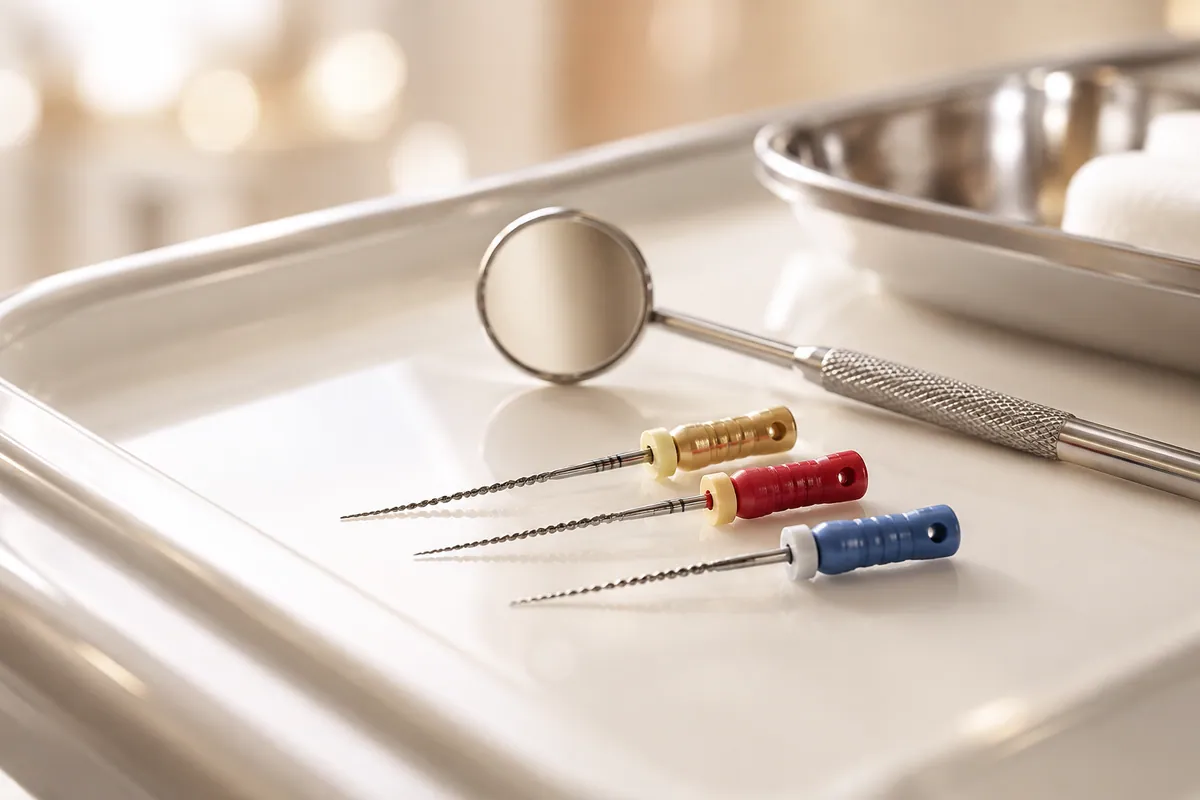
Inside the tooth is the pulp, a tissue containing nerves and blood vessels. When its condition requires it, root canal treatment may be recommended. This involves cleaning, disinfecting and sealing the root canal system inside the tooth. The decision depends on the diagnosis and on whether the tooth can reasonably be preserved and restored for continued use.
The intensity of pain alone does not determine whether root canal treatment is needed. The clinician assesses possible causes, the tooth’s response, images and other findings. A tooth may still need care after pain has subsided, so relief should not automatically be interpreted as recovery. The pulp and the tissues around the root require professional assessment to establish what is happening.
Ask what the examination has shown and what treatment is intended to achieve. If the distinction between treating the canals and restoring the visible part of the tooth is unclear, request an explanation. These stages are connected, but each has its own purpose. A complete plan should explain how the tooth will be protected and restored to function after its canals have been treated.
What an examination can establish when you have toothache
At your appointment, describe when discomfort began, whether it follows cold, heat or biting, whether it occurs without a trigger and how long it lasts. These observations guide the assessment but do not replace tests. A brief note about the pattern can help. There is no need to keep provoking pain to confirm it; describe what happens during ordinary activities.
If you cannot identify the exact tooth, say so. The clinician can investigate rather than relying on a location you are uncertain about. Mention recent dental treatment, injuries and any medicines taken for the symptoms. Give the name and dose of a painkiller if you have used one, and do not increase it yourself simply to get through the wait for an appointment.
Seek prompt advice about swelling, fever, worsening pain or difficulty opening your mouth. Difficulty breathing or swallowing needs urgent assessment; call 112 in an emergency. These symptoms should not wait for an email reply. The appointment form starts routine contact with the clinic and is not a service for managing a medical emergency or obtaining an immediate clinical response.
Can the tooth be saved?
Keeping your own tooth can be an important aim, but the clinician must assess whether it is restorable and what outcome is realistic. Remaining structure, fractures, periodontal support and the wider condition of the mouth all matter. Some teeth cannot be preserved predictably. If extraction is proposed, you should understand the reasons and any reasonable alternatives before deciding how to proceed.
Ask which findings support keeping the tooth and which limit its prospects. If there is uncertainty, understanding it is more useful than receiving an absolute promise. Further assessment or the response over time may provide additional information. Ask what would lead the team to reconsider the initial plan and how any change would be discussed with you.
If extraction is being considered, ask about its purpose and any appropriate options afterwards. Removing a tooth and replacing the resulting gap are related decisions with different considerations. Comparing the cost of root canal treatment and an implant alone does not capture those differences. The tooth’s actual condition, the full treatment involved and your priorities should guide the discussion.
What might root canal treatment involve?
Treatment is adapted to the anatomy and condition of the tooth. The team should explain the stages, how suitable treatment conditions will be maintained and the expected number of appointments. This can vary, so a general article cannot predict the schedule for your case. Whether the tooth is at the front or back of the mouth is not the only factor affecting complexity.
Before treatment, mention allergies, medical conditions, medicines and any previous experiences that worry you. If you feel anxious, explain what concerns you most. Ask how to signal if you need a pause during the appointment. Agreeing on communication and understanding the procedure can help you feel more prepared, while any specific measures should be discussed with the team responsible for your care.
After each stage, check how to care for the tooth, what precautions to take and when to return. If you have a temporary restoration, ask what to do if it becomes loose or comes out. Completion of work inside the canals does not necessarily mean the entire plan is finished. The final restoration needs to be organised as part of continuing care.
The final restoration is part of the plan
After root canal treatment, the tooth needs a restoration appropriate to the remaining structure and the forces it will bear. Depending on the case, this may involve a filling, a crown or another restorative approach. The choice is individual. Ask how the proposed restoration will restore shape and contacts and provide the protection needed for the tooth to function. Dental prostheses.
Check whether the final restoration is included in the treatment plan and written cost estimate, when it will be placed and who will carry out each stage. This is particularly helpful if several appointments or professionals are involved. A written outline can prevent confusion between a temporary and a definitive restoration, and helps you understand which appointments remain necessary.
Contact the clinic if the tooth feels different when you bite, part of the restoration breaks or a fracture appears. Do not try to file, glue or adjust the tooth yourself. The appropriate response depends on what has happened and on its condition. An assessment gives the team the information needed to advise you and consider how the remaining structure can be protected.
After treatment: care and reasons to get in touch
What you feel afterwards depends on the procedure and the tooth’s previous condition. Follow the team’s instructions and ask which symptoms should prompt contact. Discomfort that worsens, persists or is accompanied by swelling needs advice. General online symptom lists cannot establish that every pain is expected, or that every episode of sensitivity means the treatment has failed.
Use prescribed medicines as directed and ask if any instruction is unclear. Do not reuse antibiotics from a previous illness or take them because they helped someone else. Antibiotics do not replace dental treatment needed to address the cause of a problem. Whether they are appropriate must be decided by a professional who has assessed the situation and your medical history.
Keep your instructions and the date of the next appointment together. If you cannot attend, contact the clinic to rearrange, particularly if a restorative stage remains outstanding. Each step may prepare for the next. Relief from pain can be welcome, but it should not become a reason to leave an agreed treatment plan unfinished or lose track of the follow-up needed.
Preventing further decay after a tooth is restored
A restoration does not remove the risk of decay elsewhere or make the treated tooth exempt from cleaning. Follow the recommended hygiene routine, including cleaning between teeth, and discuss anything that makes it difficult. If food repeatedly collects in one place or you struggle to clean a restoration’s edge, mention it so the team can assess the area and your technique.
Discuss how often you have sugary foods or drinks, particularly between meals, and mention persistent dry mouth. The purpose is to identify practical changes and relevant risk factors. A useful preventive plan should fit your work, schedule and abilities. Explain any difficulties honestly so that recommendations can be adapted into a routine you can maintain over time.
The interval between reviews depends on your needs. If you have had repeated problems, ask what follow-up is appropriate and which changes to report. Prevention includes identifying changes before they cause pain, with tests chosen according to clinical findings and risk. Attending a review does not mean that the same imaging or procedure is automatically necessary at every visit.
Comparing treatment proposals with the full picture
A written cost estimate should make the diagnosis, treatment stages and final restoration understandable. Ask which findings could change the plan and what follow-up is included. If a document lists only root canal treatment, check whether the final restoration is a separate item. Otherwise, two figures may appear comparable while referring to different amounts of treatment.
You can organise a proposal around four questions: which tooth is being treated, what problem has been found, how it will be addressed and how the tooth will be protected afterwards. Ask about any missing answer before deciding. You do not need specialist vocabulary, but you should understand the purpose of the proposed care, its reasonable alternatives and its limitations.
If you seek another opinion, bring available reports and explain which question you want to resolve. Earlier information can provide useful context, although the clinician will decide whether a new examination or updated tests are needed. A second opinion does not guarantee an identical recommendation. It can help clarify the reasoning, the uncertainties and how different options relate to your circumstances.
Frequently asked questions about decay and root canal treatment
Does tooth decay always hurt?
No. Decay can be present without symptoms, especially at an early stage. Dental reviews therefore have a preventive and diagnostic role. Sensitivity also has possible causes other than decay. Symptoms need to be considered alongside an examination and any indicated tests; trying to identify the cause from the type of pain alone can delay appropriate care.
Does having a filling guarantee I will never need root canal treatment?
No universal guarantee is possible. The depth of decay and the condition of the pulp influence what happens afterwards. Where the outlook is uncertain, the team should explain that and tell you which changes need assessment. Understanding the prognosis helps you follow the tooth’s progress and seek advice appropriately, rather than interpreting every symptom through a fixed rule.
Does a tooth still need care after root canal treatment?
Yes. It needs a suitable restoration, effective cleaning and appropriate reviews. Treating the canals does not remove the need to protect the tooth or care for its supporting tissues. Ask which stages remain and how to clean the area. Follow-up allows the clinician to assess the treatment’s progress as well as the condition of the restoration and surrounding tissues.
Can an antibiotic resolve deep tooth decay?
An antibiotic does not replace the dental treatment needed to address decay. Where infection is present, a professional must assess which treatment and medicines, if any, are appropriate. Do not take leftover antibiotics or delay an appointment because pain improves after medication. Symptom relief alone cannot establish the condition of the tooth or whether further treatment is needed.
What should I do if a temporary restoration comes out?
Contact the clinic for advice and to arrange assessment at an appropriate time. Do not use household adhesive or attempt to rebuild the area with improvised materials. Explain when it came out, whether you have pain and which treatment stage you have reached. These details help the team advise you while considering the care already carried out.
Arrange an assessment in Pamplona
If you have toothache, diagnosed decay or questions about root canal treatment, read our conservative dentistry and endodontics pages. Dental Divina Pastora is at Calle Loza, 4, Pamplona. Contact the clinic to arrange an assessment and bring any available reports. You can describe the problem and discuss options without needing to choose a particular procedure before your examination.
Before leaving, check that you understand the findings, the proposal, the reasonable alternatives and the aftercare. Write down any outstanding stage and the agreed review. Keeping a tooth involves considering how it can be restored and cared for over time as well as addressing today’s symptoms. A clear plan helps you participate in those decisions with realistic expectations and time to ask questions.